Customise it as a
Business Gift

Why Mindful Tech Habits Matter for Wellness
Mak Kordić
,
1.2.2026

More professionals are realizing that mindless scrolling or digital multitasking drains focus and triggers unnecessary anxiety. The key to managing these stressors is developing mindful tech habits, which help you set intentional boundaries and create purposeful digital interactions. By understanding common myths and the science behind healthy screen use, you can protect your mental clarity and reclaim your productivity from the grips of digital autopilot.
Table of Contents
- Defining Mindful Tech Habits And Common Myths
- Negative Effects Of Excessive Screen Time
- Key Benefits Of Practicing Mindful Tech Use
- How Physical Tools Break Digital Autopilot
- Mistakes To Avoid When Cultivating Healthy Tech Habits
Key Takeaways
Adopting Mindful Tech Habits
Emphasize intentional device usage to foster personal wellness and deeper engagement.
Debunking Common Myths
Understanding that multitasking and constant connectivity do not enhance productivity can reshape technology interactions.
Health Risks of Excessive Screen Time
Recognize the significant mental and physical health challenges that arise from prolonged screen exposure.
Strategies for Healthy Tech Use
Develop intentional strategies and alternatives to mitigate unhealthy tech habits and promote beneficial engagement.
Defining Mindful Tech Habits and Common Myths
Technology has transformed how we interact, work, and live, but our relationship with digital devices requires intentional management. Mindful tech habits represent a strategic approach to using technology that prioritizes personal wellness, mental clarity, and purposeful engagement. These habits go beyond simple screen time reduction, focusing on creating meaningful, controlled interactions with our digital tools.
Mindful tech habits involve conscious decision-making about device usage, characterized by several key principles:
- Intentional access: Asking “Why am I picking up this device?” before unlocking the screen
- Purpose-driven interaction: Setting clear goals for technology use
- Boundary establishment: Creating physical and digital spaces free from technological interruption
- Self-awareness: Monitoring personal emotional and cognitive responses to digital stimulation
Several common myths persist about technology use that can sabotage our wellness goals. Healthy screen habits research reveals that many individuals misunderstand what constitutes healthy digital engagement. For instance, many people believe multitasking with devices demonstrates productivity, when scientific evidence suggests the opposite.
The most pervasive myths about technology use include:
- Constant connectivity equals efficiency
- Checking devices constantly helps stay informed
- Digital multitasking improves performance
- Screen time has no significant impact on mental health
Debunking these myths requires understanding that our brains are not designed for constant digital stimulation. Each notification, message, and app interaction fragments our attention and increases cognitive load. By recognizing these patterns, we can develop more intentional technological interactions.
Pro tip: Create a personal technology audit by tracking your device usage for one week, noting emotional states and productivity levels during different interactions.
Negative Effects of Excessive Screen Time
Excessive screen time has profound consequences for both mental and physical health, extending far beyond simple eye strain or temporary discomfort. CDC research on teen health reveals a startling landscape of potential risks associated with prolonged digital engagement, particularly among younger populations.
The negative impacts of excessive screen time manifest across multiple health domains:
- Physical Health Disruptions:
- Sedentary behavior leading to reduced physical activity
- Increased risk of obesity
- Potential vision problems
- Neck and shoulder strain from poor posture
- Mental Health Challenges:
- Higher rates of anxiety and depression
- Reduced emotional regulation
- Decreased social interaction quality
- Potential cognitive function impairment
Brain Function Degradation represents one of the most concerning outcomes. Stanford Lifestyle Medicine findings indicate that prolonged screen exposure may contribute to cerebral cortex thinning, directly impacting critical cognitive processes like memory formation and decision-making.
The neurological consequences extend beyond immediate cognitive performance. Chronic screen time disrupts natural sleep cycles by suppressing melatonin production, creating a cascading effect of potential health complications. Irregular sleep patterns can trigger increased stress, reduced immune function, and long-term metabolic challenges.
Excessive screen time is not just a digital habit - it’s a complex health risk with wide-ranging implications.
Pro tip: Implement a digital sunset routine by reducing screen brightness and avoiding devices at least one hour before bedtime to protect your natural sleep rhythms.
Key Benefits of Practicing Mindful Tech Use
Mindful technology use represents a transformative approach to digital engagement that goes beyond simple screen time management. Mindful technology principles offer a strategic framework for cultivating healthier relationships with digital tools, enabling individuals to harness technology’s benefits while protecting personal well-being.
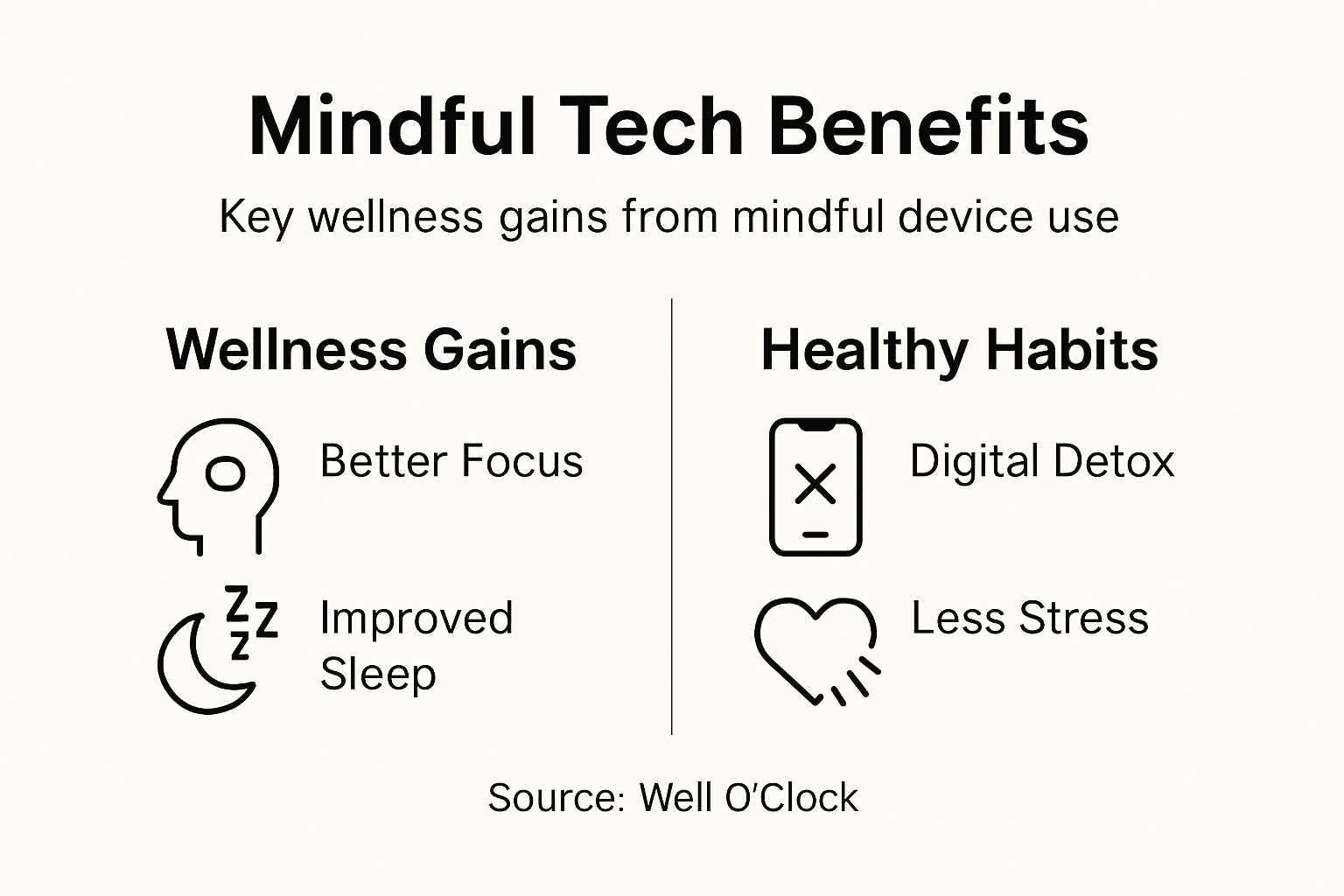
The key benefits of practicing mindful tech use encompass multiple dimensions of personal wellness:
- Emotional Resilience:
- Reduced anxiety triggered by constant digital notifications
- Enhanced emotional self-regulation
- Improved stress management capabilities
- Greater psychological distance from digital stressors
- Cognitive Performance:
- Increased focus and concentration
- Decreased mental fatigue
- Better decision-making skills
- Enhanced creativity by reducing cognitive overload
Intentional Digital Interaction represents a fundamental shift in how we approach technology. By establishing conscious boundaries and purposeful engagement, individuals can transform digital tools from potential sources of distraction into powerful productivity and personal growth enablers.
The social and interpersonal benefits are equally profound. Mindful tech use helps restore genuine human connections, encouraging more meaningful face-to-face interactions and reducing the passive consumption of digital content that often leads to feelings of isolation and disconnection.
Mindful technology use is not about eliminating digital tools, but about creating a balanced, intentional relationship with them.
Pro tip: Implement a daily “digital detox” window of at least 60 minutes where you completely disconnect from all electronic devices to reset and recharge.
How Physical Tools Break Digital Autopilot
Digital autopilot represents an unconscious state of technological engagement where users mindlessly interact with devices without deliberate intention. Physical security strategies demonstrate how strategic environmental interventions can dramatically interrupt these unconscious digital behaviors and restore mindful awareness.
Physical tools for breaking digital autopilot operate through several key mechanisms:
- Interruption Strategies:
- Physical barriers blocking device access
- Tangible reminders of intentional technology use
- Location-based constraints on digital interaction
- Sensory disruptions that trigger conscious awareness
- Engagement Techniques:
- NFC tags requiring intentional device interaction
- Physical lockboxes for smartphones
- Visual cues that prompt mindful technology reflection
- Spatial reorganization of digital workspaces
Neurological Disruption occurs when physical interventions force users out of automatic digital consumption patterns. By introducing deliberate friction points, individuals are compelled to make conscious choices about their technological engagement, effectively short-circuiting unconscious scrolling and mindless interaction.

Technological autopilot vulnerability reveals how physical inputs can fundamentally alter digital behavior. Just as small environmental changes can redirect automated systems, strategic physical tools can help users regain control over their technological interactions.
TraitMindful Tech UseDigital Autopilot
Decision Making
Intentional and conscious
Unconscious and impulsive
Emotional Awareness
High self-awareness
Low self-awareness
Impact on Productivity
Boosts focus and effectiveness
Reduces concentration and output
Interaction Quality
Purposeful and meaningful
Automatic and fragmented
Physical interventions transform technology from an unconscious habit into an intentional tool.
Pro tip: Create a dedicated “tech transition zone” in your home where devices are stored in a locked container during specific hours to break automatic checking behaviors.
Mistakes to Avoid When Cultivating Healthy Tech Habits
Cultivating healthy technology habits requires more than good intentions—it demands strategic self-awareness and deliberate practice. Digital habit formation strategies reveal that most people inadvertently sabotage their wellness goals through common, preventable behavioral patterns.
The most critical mistakes in developing healthy tech habits include:
- Psychological Traps:
- Treating digital devices as entertainment instead of tools
- Using technology as emotional escape mechanism
- Neglecting intentional purpose before device engagement
- Allowing notifications to dictate attention cycles
- Behavioral Missteps:
- Attempting total device elimination
- Implementing overly restrictive rules
- Ignoring individual technology relationship patterns
- Failing to develop alternative stress management techniques
Replacement Strategy is crucial in breaking unhealthy digital patterns. Simply restricting technology creates resistance, whereas developing meaningful alternative activities helps naturally redirect attention and reduce compulsive device interactions.
Understanding the neurological mechanisms behind digital habit formation allows for more nuanced, effective interventions. Technology isn’t inherently harmful—the unconscious, reactive patterns of engagement create negative outcomes. By developing metacognitive awareness, individuals can transform their relationship with digital tools from passive consumption to intentional interaction.
The following table summarizes strategies to avoid common pitfalls when building healthy tech habits:
Mistake TypePitfall ExampleRecommended Strategy
Psychological
Using devices for emotional escape
Develop offline coping skills
Behavioral
Overly strict device bans
Implement gradual changes
Self-Awareness
Ignoring personal tech triggers
Map emotional patterns
Stress Management
Lacking alternative activities
Schedule physical or creative time
Healthy tech habits are built through conscious choices, not absolute restrictions.
Pro tip: Create a personalized technology interaction map documenting your current digital habits, emotional triggers, and desired behavioral changes.
Take Control of Your Digital Wellness with Mindful Tech Solutions
The article highlights the challenges of constant digital autopilot and excessive screen time that drain your focus, disrupt sleep, and increase anxiety. If you recognize these struggles and aim to build healthier, intentional tech habits, Well O’Clock offers a proven system to help you create real change. By combining physical NFC tags with an intuitive mobile app, Well O’Clock empowers you to interrupt automatic phone use and regain control over your digital interactions.
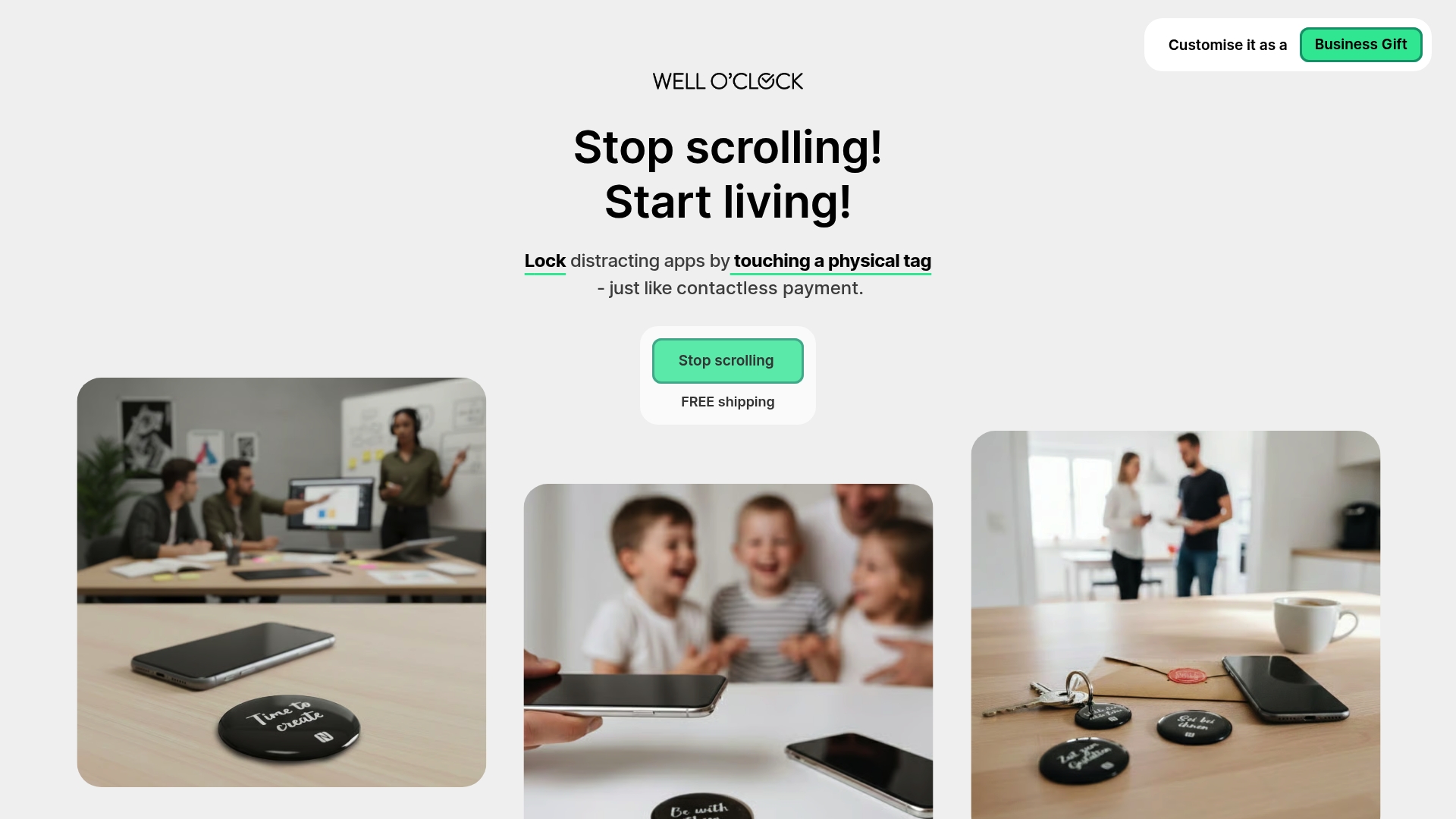
Experience the transformative benefits of mindful technology use firsthand. Visit Well O’Clock to discover how physical tools can break unconscious scrolling and promote emotional resilience and improved productivity. Start your personalized journey to better screen habits and mental clarity today by exploring Well O’Clock’s innovative solutions and take back your focus with simple, intentional steps.
Frequently Asked Questions
What are mindful tech habits?
Mindful tech habits are intentional practices that focus on using technology in a way that prioritizes personal wellness, mental clarity, and purposeful engagement, rather than mindless consumption.
How can excessive screen time impact my health?
Excessive screen time can lead to physical health issues like obesity and eye strain, as well as mental health challenges such as anxiety and depression. It may also impair cognitive functions and disrupt sleep patterns.
What are some strategies to develop mindful tech habits?
To cultivate mindful tech habits, you can track your device usage, set boundaries for technology interaction, create a technology audit, and implement ‘digital detox’ periods to disconnect from devices.
How does physical environment influence digital habits?
Physical environments can break digital autopilot through strategies like creating barriers to device access, using reminders for intentional interaction, and reorganizing workspaces to encourage mindful technology use.

Mak Kordić
Cofounder
Mak Kordić je ustanovitelj in CEO agencije CNJ Digital iz Ljubljane, kjer z ekipo razvija UX/UI in digitalne produkte za zahtevne B2B projekte. V karieri je vodil in soustvaril več sto digitalnih rešitev ter sodeloval z mednarodnimi naročniki. Trenutno gradi tudi lastne produkte, med njimi Tarifnik, aplikacijo, ki uporabnikom poenostavi razumevanje električnih tarif in pomaga pri pametnejši porabi elektrike.









Customise it as a
Business Gift
Why Mindful Tech Habits Matter for Wellness
Mak Kordić
,
1.2.2026
More professionals are realizing that mindless scrolling or digital multitasking drains focus and triggers unnecessary anxiety. The key to managing these stressors is developing mindful tech habits, which help you set intentional boundaries and create purposeful digital interactions. By understanding common myths and the science behind healthy screen use, you can protect your mental clarity and reclaim your productivity from the grips of digital autopilot.
Table of Contents
- Defining Mindful Tech Habits And Common Myths
- Negative Effects Of Excessive Screen Time
- Key Benefits Of Practicing Mindful Tech Use
- How Physical Tools Break Digital Autopilot
- Mistakes To Avoid When Cultivating Healthy Tech Habits
Key Takeaways
Adopting Mindful Tech Habits
Emphasize intentional device usage to foster personal wellness and deeper engagement.
Debunking Common Myths
Understanding that multitasking and constant connectivity do not enhance productivity can reshape technology interactions.
Health Risks of Excessive Screen Time
Recognize the significant mental and physical health challenges that arise from prolonged screen exposure.
Strategies for Healthy Tech Use
Develop intentional strategies and alternatives to mitigate unhealthy tech habits and promote beneficial engagement.
Defining Mindful Tech Habits and Common Myths
Technology has transformed how we interact, work, and live, but our relationship with digital devices requires intentional management. Mindful tech habits represent a strategic approach to using technology that prioritizes personal wellness, mental clarity, and purposeful engagement. These habits go beyond simple screen time reduction, focusing on creating meaningful, controlled interactions with our digital tools.
Mindful tech habits involve conscious decision-making about device usage, characterized by several key principles:
- Intentional access: Asking “Why am I picking up this device?” before unlocking the screen
- Purpose-driven interaction: Setting clear goals for technology use
- Boundary establishment: Creating physical and digital spaces free from technological interruption
- Self-awareness: Monitoring personal emotional and cognitive responses to digital stimulation
Several common myths persist about technology use that can sabotage our wellness goals. Healthy screen habits research reveals that many individuals misunderstand what constitutes healthy digital engagement. For instance, many people believe multitasking with devices demonstrates productivity, when scientific evidence suggests the opposite.
The most pervasive myths about technology use include:
- Constant connectivity equals efficiency
- Checking devices constantly helps stay informed
- Digital multitasking improves performance
- Screen time has no significant impact on mental health
Debunking these myths requires understanding that our brains are not designed for constant digital stimulation. Each notification, message, and app interaction fragments our attention and increases cognitive load. By recognizing these patterns, we can develop more intentional technological interactions.
Pro tip: Create a personal technology audit by tracking your device usage for one week, noting emotional states and productivity levels during different interactions.
Negative Effects of Excessive Screen Time
Excessive screen time has profound consequences for both mental and physical health, extending far beyond simple eye strain or temporary discomfort. CDC research on teen health reveals a startling landscape of potential risks associated with prolonged digital engagement, particularly among younger populations.
The negative impacts of excessive screen time manifest across multiple health domains:
- Physical Health Disruptions:
- Sedentary behavior leading to reduced physical activity
- Increased risk of obesity
- Potential vision problems
- Neck and shoulder strain from poor posture
- Mental Health Challenges:
- Higher rates of anxiety and depression
- Reduced emotional regulation
- Decreased social interaction quality
- Potential cognitive function impairment
Brain Function Degradation represents one of the most concerning outcomes. Stanford Lifestyle Medicine findings indicate that prolonged screen exposure may contribute to cerebral cortex thinning, directly impacting critical cognitive processes like memory formation and decision-making.
The neurological consequences extend beyond immediate cognitive performance. Chronic screen time disrupts natural sleep cycles by suppressing melatonin production, creating a cascading effect of potential health complications. Irregular sleep patterns can trigger increased stress, reduced immune function, and long-term metabolic challenges.
Excessive screen time is not just a digital habit - it’s a complex health risk with wide-ranging implications.
Pro tip: Implement a digital sunset routine by reducing screen brightness and avoiding devices at least one hour before bedtime to protect your natural sleep rhythms.
Key Benefits of Practicing Mindful Tech Use
Mindful technology use represents a transformative approach to digital engagement that goes beyond simple screen time management. Mindful technology principles offer a strategic framework for cultivating healthier relationships with digital tools, enabling individuals to harness technology’s benefits while protecting personal well-being.
The key benefits of practicing mindful tech use encompass multiple dimensions of personal wellness:
- Emotional Resilience:
- Reduced anxiety triggered by constant digital notifications
- Enhanced emotional self-regulation
- Improved stress management capabilities
- Greater psychological distance from digital stressors
- Cognitive Performance:
- Increased focus and concentration
- Decreased mental fatigue
- Better decision-making skills
- Enhanced creativity by reducing cognitive overload
Intentional Digital Interaction represents a fundamental shift in how we approach technology. By establishing conscious boundaries and purposeful engagement, individuals can transform digital tools from potential sources of distraction into powerful productivity and personal growth enablers.
The social and interpersonal benefits are equally profound. Mindful tech use helps restore genuine human connections, encouraging more meaningful face-to-face interactions and reducing the passive consumption of digital content that often leads to feelings of isolation and disconnection.
Mindful technology use is not about eliminating digital tools, but about creating a balanced, intentional relationship with them.
Pro tip: Implement a daily “digital detox” window of at least 60 minutes where you completely disconnect from all electronic devices to reset and recharge.
How Physical Tools Break Digital Autopilot
Digital autopilot represents an unconscious state of technological engagement where users mindlessly interact with devices without deliberate intention. Physical security strategies demonstrate how strategic environmental interventions can dramatically interrupt these unconscious digital behaviors and restore mindful awareness.
Physical tools for breaking digital autopilot operate through several key mechanisms:
- Interruption Strategies:
- Physical barriers blocking device access
- Tangible reminders of intentional technology use
- Location-based constraints on digital interaction
- Sensory disruptions that trigger conscious awareness
- Engagement Techniques:
- NFC tags requiring intentional device interaction
- Physical lockboxes for smartphones
- Visual cues that prompt mindful technology reflection
- Spatial reorganization of digital workspaces
Neurological Disruption occurs when physical interventions force users out of automatic digital consumption patterns. By introducing deliberate friction points, individuals are compelled to make conscious choices about their technological engagement, effectively short-circuiting unconscious scrolling and mindless interaction.
Technological autopilot vulnerability reveals how physical inputs can fundamentally alter digital behavior. Just as small environmental changes can redirect automated systems, strategic physical tools can help users regain control over their technological interactions.
TraitMindful Tech UseDigital Autopilot
Decision Making
Intentional and conscious
Unconscious and impulsive
Emotional Awareness
High self-awareness
Low self-awareness
Impact on Productivity
Boosts focus and effectiveness
Reduces concentration and output
Interaction Quality
Purposeful and meaningful
Automatic and fragmented
Physical interventions transform technology from an unconscious habit into an intentional tool.
Pro tip: Create a dedicated “tech transition zone” in your home where devices are stored in a locked container during specific hours to break automatic checking behaviors.
Mistakes to Avoid When Cultivating Healthy Tech Habits
Cultivating healthy technology habits requires more than good intentions—it demands strategic self-awareness and deliberate practice. Digital habit formation strategies reveal that most people inadvertently sabotage their wellness goals through common, preventable behavioral patterns.
The most critical mistakes in developing healthy tech habits include:
- Psychological Traps:
- Treating digital devices as entertainment instead of tools
- Using technology as emotional escape mechanism
- Neglecting intentional purpose before device engagement
- Allowing notifications to dictate attention cycles
- Behavioral Missteps:
- Attempting total device elimination
- Implementing overly restrictive rules
- Ignoring individual technology relationship patterns
- Failing to develop alternative stress management techniques
Replacement Strategy is crucial in breaking unhealthy digital patterns. Simply restricting technology creates resistance, whereas developing meaningful alternative activities helps naturally redirect attention and reduce compulsive device interactions.
Understanding the neurological mechanisms behind digital habit formation allows for more nuanced, effective interventions. Technology isn’t inherently harmful—the unconscious, reactive patterns of engagement create negative outcomes. By developing metacognitive awareness, individuals can transform their relationship with digital tools from passive consumption to intentional interaction.
The following table summarizes strategies to avoid common pitfalls when building healthy tech habits:
Mistake TypePitfall ExampleRecommended Strategy
Psychological
Using devices for emotional escape
Develop offline coping skills
Behavioral
Overly strict device bans
Implement gradual changes
Self-Awareness
Ignoring personal tech triggers
Map emotional patterns
Stress Management
Lacking alternative activities
Schedule physical or creative time
Healthy tech habits are built through conscious choices, not absolute restrictions.
Pro tip: Create a personalized technology interaction map documenting your current digital habits, emotional triggers, and desired behavioral changes.
Take Control of Your Digital Wellness with Mindful Tech Solutions
The article highlights the challenges of constant digital autopilot and excessive screen time that drain your focus, disrupt sleep, and increase anxiety. If you recognize these struggles and aim to build healthier, intentional tech habits, Well O’Clock offers a proven system to help you create real change. By combining physical NFC tags with an intuitive mobile app, Well O’Clock empowers you to interrupt automatic phone use and regain control over your digital interactions.
Experience the transformative benefits of mindful technology use firsthand. Visit Well O’Clock to discover how physical tools can break unconscious scrolling and promote emotional resilience and improved productivity. Start your personalized journey to better screen habits and mental clarity today by exploring Well O’Clock’s innovative solutions and take back your focus with simple, intentional steps.
Frequently Asked Questions
What are mindful tech habits?
Mindful tech habits are intentional practices that focus on using technology in a way that prioritizes personal wellness, mental clarity, and purposeful engagement, rather than mindless consumption.
How can excessive screen time impact my health?
Excessive screen time can lead to physical health issues like obesity and eye strain, as well as mental health challenges such as anxiety and depression. It may also impair cognitive functions and disrupt sleep patterns.
What are some strategies to develop mindful tech habits?
To cultivate mindful tech habits, you can track your device usage, set boundaries for technology interaction, create a technology audit, and implement ‘digital detox’ periods to disconnect from devices.
How does physical environment influence digital habits?
Physical environments can break digital autopilot through strategies like creating barriers to device access, using reminders for intentional interaction, and reorganizing workspaces to encourage mindful technology use.
Mak Kordić
Cofounder
Mak Kordić je ustanovitelj in CEO agencije CNJ Digital iz Ljubljane, kjer z ekipo razvija UX/UI in digitalne produkte za zahtevne B2B projekte. V karieri je vodil in soustvaril več sto digitalnih rešitev ter sodeloval z mednarodnimi naročniki. Trenutno gradi tudi lastne produkte, med njimi Tarifnik, aplikacijo, ki uporabnikom poenostavi razumevanje električnih tarif in pomaga pri pametnejši porabi elektrike.
Customise it as a
Business Gift
Why Mindful Tech Habits Matter for Wellness
Mak Kordić
,
1.2.2026
More professionals are realizing that mindless scrolling or digital multitasking drains focus and triggers unnecessary anxiety. The key to managing these stressors is developing mindful tech habits, which help you set intentional boundaries and create purposeful digital interactions. By understanding common myths and the science behind healthy screen use, you can protect your mental clarity and reclaim your productivity from the grips of digital autopilot.
Table of Contents
- Defining Mindful Tech Habits And Common Myths
- Negative Effects Of Excessive Screen Time
- Key Benefits Of Practicing Mindful Tech Use
- How Physical Tools Break Digital Autopilot
- Mistakes To Avoid When Cultivating Healthy Tech Habits
Key Takeaways
Adopting Mindful Tech Habits
Emphasize intentional device usage to foster personal wellness and deeper engagement.
Debunking Common Myths
Understanding that multitasking and constant connectivity do not enhance productivity can reshape technology interactions.
Health Risks of Excessive Screen Time
Recognize the significant mental and physical health challenges that arise from prolonged screen exposure.
Strategies for Healthy Tech Use
Develop intentional strategies and alternatives to mitigate unhealthy tech habits and promote beneficial engagement.
Defining Mindful Tech Habits and Common Myths
Technology has transformed how we interact, work, and live, but our relationship with digital devices requires intentional management. Mindful tech habits represent a strategic approach to using technology that prioritizes personal wellness, mental clarity, and purposeful engagement. These habits go beyond simple screen time reduction, focusing on creating meaningful, controlled interactions with our digital tools.
Mindful tech habits involve conscious decision-making about device usage, characterized by several key principles:
- Intentional access: Asking “Why am I picking up this device?” before unlocking the screen
- Purpose-driven interaction: Setting clear goals for technology use
- Boundary establishment: Creating physical and digital spaces free from technological interruption
- Self-awareness: Monitoring personal emotional and cognitive responses to digital stimulation
Several common myths persist about technology use that can sabotage our wellness goals. Healthy screen habits research reveals that many individuals misunderstand what constitutes healthy digital engagement. For instance, many people believe multitasking with devices demonstrates productivity, when scientific evidence suggests the opposite.
The most pervasive myths about technology use include:
- Constant connectivity equals efficiency
- Checking devices constantly helps stay informed
- Digital multitasking improves performance
- Screen time has no significant impact on mental health
Debunking these myths requires understanding that our brains are not designed for constant digital stimulation. Each notification, message, and app interaction fragments our attention and increases cognitive load. By recognizing these patterns, we can develop more intentional technological interactions.
Pro tip: Create a personal technology audit by tracking your device usage for one week, noting emotional states and productivity levels during different interactions.
Negative Effects of Excessive Screen Time
Excessive screen time has profound consequences for both mental and physical health, extending far beyond simple eye strain or temporary discomfort. CDC research on teen health reveals a startling landscape of potential risks associated with prolonged digital engagement, particularly among younger populations.
The negative impacts of excessive screen time manifest across multiple health domains:
- Physical Health Disruptions:
- Sedentary behavior leading to reduced physical activity
- Increased risk of obesity
- Potential vision problems
- Neck and shoulder strain from poor posture
- Mental Health Challenges:
- Higher rates of anxiety and depression
- Reduced emotional regulation
- Decreased social interaction quality
- Potential cognitive function impairment
Brain Function Degradation represents one of the most concerning outcomes. Stanford Lifestyle Medicine findings indicate that prolonged screen exposure may contribute to cerebral cortex thinning, directly impacting critical cognitive processes like memory formation and decision-making.
The neurological consequences extend beyond immediate cognitive performance. Chronic screen time disrupts natural sleep cycles by suppressing melatonin production, creating a cascading effect of potential health complications. Irregular sleep patterns can trigger increased stress, reduced immune function, and long-term metabolic challenges.
Excessive screen time is not just a digital habit - it’s a complex health risk with wide-ranging implications.
Pro tip: Implement a digital sunset routine by reducing screen brightness and avoiding devices at least one hour before bedtime to protect your natural sleep rhythms.
Key Benefits of Practicing Mindful Tech Use
Mindful technology use represents a transformative approach to digital engagement that goes beyond simple screen time management. Mindful technology principles offer a strategic framework for cultivating healthier relationships with digital tools, enabling individuals to harness technology’s benefits while protecting personal well-being.
The key benefits of practicing mindful tech use encompass multiple dimensions of personal wellness:
- Emotional Resilience:
- Reduced anxiety triggered by constant digital notifications
- Enhanced emotional self-regulation
- Improved stress management capabilities
- Greater psychological distance from digital stressors
- Cognitive Performance:
- Increased focus and concentration
- Decreased mental fatigue
- Better decision-making skills
- Enhanced creativity by reducing cognitive overload
Intentional Digital Interaction represents a fundamental shift in how we approach technology. By establishing conscious boundaries and purposeful engagement, individuals can transform digital tools from potential sources of distraction into powerful productivity and personal growth enablers.
The social and interpersonal benefits are equally profound. Mindful tech use helps restore genuine human connections, encouraging more meaningful face-to-face interactions and reducing the passive consumption of digital content that often leads to feelings of isolation and disconnection.
Mindful technology use is not about eliminating digital tools, but about creating a balanced, intentional relationship with them.
Pro tip: Implement a daily “digital detox” window of at least 60 minutes where you completely disconnect from all electronic devices to reset and recharge.
How Physical Tools Break Digital Autopilot
Digital autopilot represents an unconscious state of technological engagement where users mindlessly interact with devices without deliberate intention. Physical security strategies demonstrate how strategic environmental interventions can dramatically interrupt these unconscious digital behaviors and restore mindful awareness.
Physical tools for breaking digital autopilot operate through several key mechanisms:
- Interruption Strategies:
- Physical barriers blocking device access
- Tangible reminders of intentional technology use
- Location-based constraints on digital interaction
- Sensory disruptions that trigger conscious awareness
- Engagement Techniques:
- NFC tags requiring intentional device interaction
- Physical lockboxes for smartphones
- Visual cues that prompt mindful technology reflection
- Spatial reorganization of digital workspaces
Neurological Disruption occurs when physical interventions force users out of automatic digital consumption patterns. By introducing deliberate friction points, individuals are compelled to make conscious choices about their technological engagement, effectively short-circuiting unconscious scrolling and mindless interaction.
Technological autopilot vulnerability reveals how physical inputs can fundamentally alter digital behavior. Just as small environmental changes can redirect automated systems, strategic physical tools can help users regain control over their technological interactions.
TraitMindful Tech UseDigital Autopilot
Decision Making
Intentional and conscious
Unconscious and impulsive
Emotional Awareness
High self-awareness
Low self-awareness
Impact on Productivity
Boosts focus and effectiveness
Reduces concentration and output
Interaction Quality
Purposeful and meaningful
Automatic and fragmented
Physical interventions transform technology from an unconscious habit into an intentional tool.
Pro tip: Create a dedicated “tech transition zone” in your home where devices are stored in a locked container during specific hours to break automatic checking behaviors.
Mistakes to Avoid When Cultivating Healthy Tech Habits
Cultivating healthy technology habits requires more than good intentions—it demands strategic self-awareness and deliberate practice. Digital habit formation strategies reveal that most people inadvertently sabotage their wellness goals through common, preventable behavioral patterns.
The most critical mistakes in developing healthy tech habits include:
- Psychological Traps:
- Treating digital devices as entertainment instead of tools
- Using technology as emotional escape mechanism
- Neglecting intentional purpose before device engagement
- Allowing notifications to dictate attention cycles
- Behavioral Missteps:
- Attempting total device elimination
- Implementing overly restrictive rules
- Ignoring individual technology relationship patterns
- Failing to develop alternative stress management techniques
Replacement Strategy is crucial in breaking unhealthy digital patterns. Simply restricting technology creates resistance, whereas developing meaningful alternative activities helps naturally redirect attention and reduce compulsive device interactions.
Understanding the neurological mechanisms behind digital habit formation allows for more nuanced, effective interventions. Technology isn’t inherently harmful—the unconscious, reactive patterns of engagement create negative outcomes. By developing metacognitive awareness, individuals can transform their relationship with digital tools from passive consumption to intentional interaction.
The following table summarizes strategies to avoid common pitfalls when building healthy tech habits:
Mistake TypePitfall ExampleRecommended Strategy
Psychological
Using devices for emotional escape
Develop offline coping skills
Behavioral
Overly strict device bans
Implement gradual changes
Self-Awareness
Ignoring personal tech triggers
Map emotional patterns
Stress Management
Lacking alternative activities
Schedule physical or creative time
Healthy tech habits are built through conscious choices, not absolute restrictions.
Pro tip: Create a personalized technology interaction map documenting your current digital habits, emotional triggers, and desired behavioral changes.
Take Control of Your Digital Wellness with Mindful Tech Solutions
The article highlights the challenges of constant digital autopilot and excessive screen time that drain your focus, disrupt sleep, and increase anxiety. If you recognize these struggles and aim to build healthier, intentional tech habits, Well O’Clock offers a proven system to help you create real change. By combining physical NFC tags with an intuitive mobile app, Well O’Clock empowers you to interrupt automatic phone use and regain control over your digital interactions.
Experience the transformative benefits of mindful technology use firsthand. Visit Well O’Clock to discover how physical tools can break unconscious scrolling and promote emotional resilience and improved productivity. Start your personalized journey to better screen habits and mental clarity today by exploring Well O’Clock’s innovative solutions and take back your focus with simple, intentional steps.
Frequently Asked Questions
What are mindful tech habits?
Mindful tech habits are intentional practices that focus on using technology in a way that prioritizes personal wellness, mental clarity, and purposeful engagement, rather than mindless consumption.
How can excessive screen time impact my health?
Excessive screen time can lead to physical health issues like obesity and eye strain, as well as mental health challenges such as anxiety and depression. It may also impair cognitive functions and disrupt sleep patterns.
What are some strategies to develop mindful tech habits?
To cultivate mindful tech habits, you can track your device usage, set boundaries for technology interaction, create a technology audit, and implement ‘digital detox’ periods to disconnect from devices.
How does physical environment influence digital habits?
Physical environments can break digital autopilot through strategies like creating barriers to device access, using reminders for intentional interaction, and reorganizing workspaces to encourage mindful technology use.
Mak Kordić
Cofounder
Mak Kordić je ustanovitelj in CEO agencije CNJ Digital iz Ljubljane, kjer z ekipo razvija UX/UI in digitalne produkte za zahtevne B2B projekte. V karieri je vodil in soustvaril več sto digitalnih rešitev ter sodeloval z mednarodnimi naročniki. Trenutno gradi tudi lastne produkte, med njimi Tarifnik, aplikacijo, ki uporabnikom poenostavi razumevanje električnih tarif in pomaga pri pametnejši porabi elektrike.