
Excessive Phone Usage – How It Affects Wellness
Mak Kordić
,
February 19, 2026


Scrolling endlessly through apps during late nights can leave even the most health-conscious professionals feeling drained and unfocused. In major cities around the world, the challenges posed by excessive phone usage extend well beyond simple screen time, often fueling anxiety, sleep issues, and diminished real-world connections. This article uncovers the true nature of problematic smartphone use and exposes common misconceptions, while offering practical steps for reclaiming focus, supporting mental health, and returning to intentional, healthier technology engagement.
Table of Contents
- Defining Excessive Phone Usage And Misconceptions
- Types And Patterns Of Phone Overuse Today
- How Excessive Phone Use Impacts Mental Health
- Physical Effects And Sleep Disruption Explained
- Impact On Focus, Productivity, And Relationships
- Mistakes To Avoid And Effective Solutions
Defining Excessive Phone Usage and Misconceptions
Excessive phone usage goes far beyond simply spending time on your device. It represents a complex behavioral pattern characterized by compulsive digital interactions that significantly disrupt daily functioning and mental well-being. While many people believe excessive usage means hours of continuous screen time, the reality is more nuanced and deeply psychological.
Typical misconceptions about phone overuse include:
- Believing only "extreme" users have a problem
- Thinking digital addiction is a matter of personal willpower
- Assuming young people are the only demographic affected
- Considering phone use purely recreational rather than potentially harmful
Professional research suggests that excessive phone usage isn't just about total screen hours, but about the quality and intentionality of digital interactions. It involves compulsive checking, constant notifications, and an inability to disconnect, which can trigger significant neurological responses. These patterns create a feedback loop where digital stimulation becomes a primary source of dopamine and instant gratification.
" Phone addiction represents a modern behavioral syndrome where digital interactions replace meaningful real-world connections and experiences. "
Scientific studies have identified several key indicators of problematic phone usage:
1. Experiencing anxiety when separated from your device
2. Checking phone immediately upon waking
3. Using phone as a primary coping mechanism for stress
4. Neglecting personal relationships due to digital distractions
5. Feeling persistent urges to scroll or engage with digital content
Pro tip: Conduct a personal digital audit by tracking your screen time and identifying unconscious usage patterns to understand your relationship with technology.
Types and Patterns of Phone Overuse Today
Smartphone usage has evolved into a complex spectrum of behavioral patterns that extend far beyond simple communication. Systematic research on digital behaviors reveals multiple distinctive categories of problematic digital interactions that impact psychological well-being and social functioning.
The primary types of phone overuse include:
- Social Media Addiction: Compulsive scrolling, constant platform checking, and deriving self-worth from digital validation
- Notification Dependency: Experiencing anxiety when not immediately responsive to digital alerts
- Information Overload: Continuously consuming digital content without meaningful engagement
- Escapist Digital Consumption: Using smartphones as a mechanism to avoid real-world interactions or emotional processing
Smartphone use patterns demonstrate that overuse is not uniform but varies significantly across different demographic groups and psychological profiles. Some individuals exhibit passive consumption, while others display hyperactive digital engagement characterized by constant switching between apps and platforms.

" Digital behaviors represent complex psychological mechanisms where technology becomes an emotional regulation tool rather than a communication device. "
Researchers have identified several critical dimensions of problematic smartphone interactions:
1. Emotional regulation through digital consumption
2. Dopamine-driven engagement cycles
3. Unconscious scrolling behaviors
4. Digital validation seeking
5. Compulsive information gathering
Pro tip: Create intentional digital boundaries by scheduling specific times for smartphone use and implementing app-blocking techniques during productive hours.
How Excessive Phone Use Impacts Mental Health
Research on smartphone mental health impacts reveals a profound connection between digital overuse and psychological well-being. Excessive phone usage triggers complex neurological and emotional responses that can dramatically alter an individual's mental landscape, creating cascading effects on mood, cognition, and social interactions.
The primary mental health challenges associated with excessive phone use include:
- Anxiety Amplification: Constant digital stimulation increases background stress levels
- Dopamine Dysregulation: Repeated digital interactions disrupt natural reward mechanisms
- Social Comparison Syndrome: Continuous exposure to curated online personas triggers feelings of inadequacy
- Attention Fragmentation: Persistent notifications interrupt cognitive processing and concentration
- Emotional Disconnection: Reduced face-to-face interactions impair genuine emotional processing
Smartphone use disorders demonstrate significant correlations between digital behaviors and psychological distress. The constant digital engagement creates a feedback loop where anxiety drives more phone use, which subsequently increases psychological vulnerability.
" Digital dependency represents a modern psychological syndrome where technology becomes both the cause and attempted solution of emotional distress. "
Researchers have identified several critical mental health manifestations of excessive phone use:
1. Increased rates of clinical depression
2. Reduced emotional intelligence
3. Heightened social anxiety
4. Disrupted sleep patterns
5. Diminished real-world relationship quality
Pro tip: Implement daily digital detox periods and practice mindful technology consumption to restore psychological balance and reclaim authentic emotional experiences.
Physical Effects and Sleep Disruption Explained
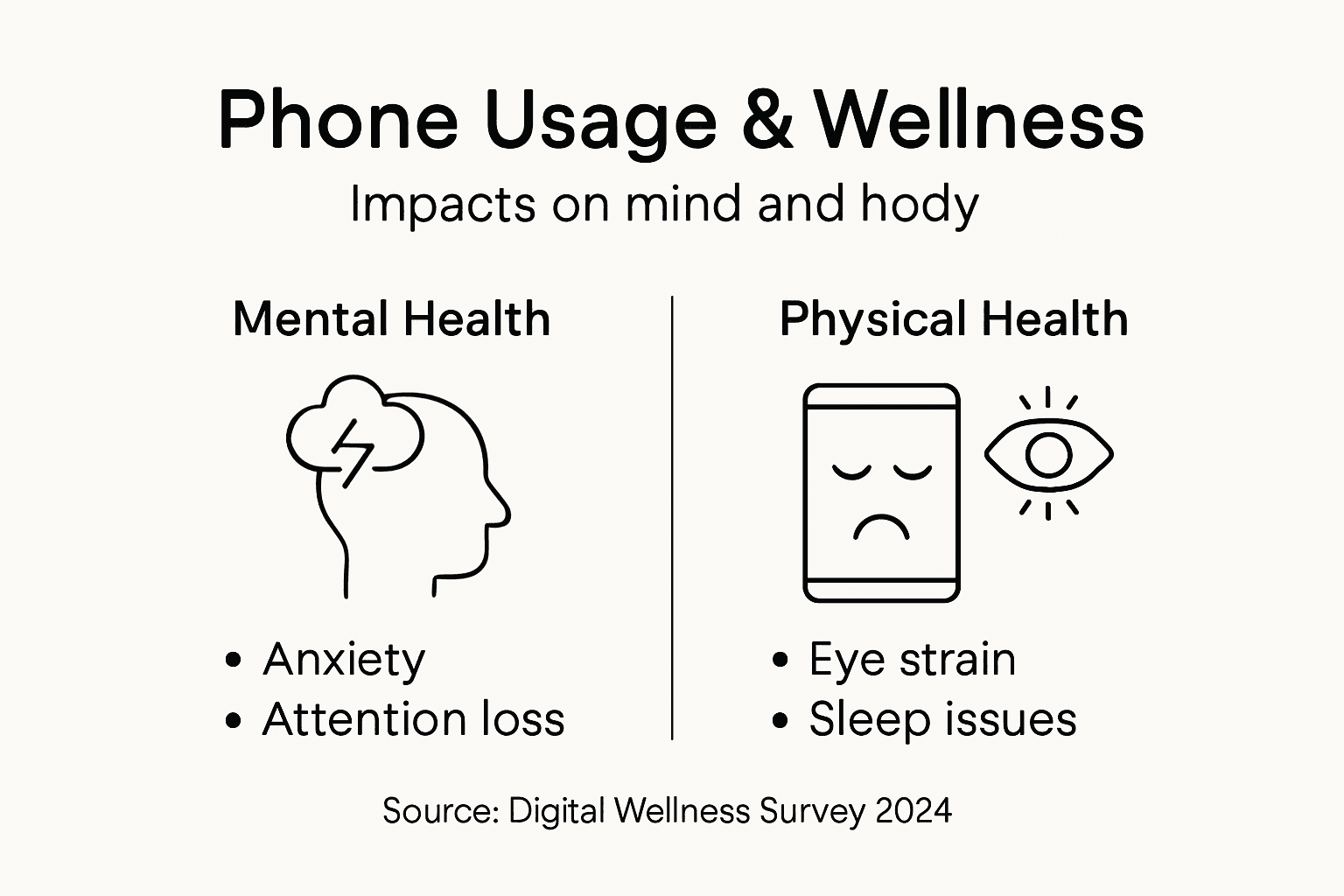
Smartphone health impacts reveal a startling connection between digital device overuse and physical wellness. Prolonged smartphone engagement triggers complex physiological responses that extend far beyond simple screen interaction, creating a cascade of potential health complications affecting multiple body systems.
The primary physical manifestations of excessive phone use include:
- Cervical Spine Stress: Chronic neck strain from prolonged downward head positioning
- Digital Eye Syndrome: Increased eye fatigue and potential vision deterioration
- Repetitive Strain Injuries: Persistent hand and wrist discomfort from continuous scrolling
- Posture Degradation: Muscular imbalances caused by sedentary digital consumption
- Circulatory Disruption: Reduced blood flow from extended sedentary periods
Sleep disruption mechanisms demonstrate how smartphone interactions fundamentally alter natural circadian rhythms. Blue light exposure and constant digital stimulation interrupt melatonin production, creating a neurological environment hostile to healthy sleep patterns.
" Smartphone overuse represents a modern physiological challenge where technology actively undermines fundamental biological recovery processes. "
Researchers have documented several critical physical consequences of excessive phone use:
1. Chronic neck and shoulder pain
2. Increased risk of tension headaches
3. Compromised sleep quality
4. Reduced overall physical mobility
5. Potential long-term musculoskeletal complications
Pro tip: Create a dedicated charging station outside your bedroom and implement a strict digital curfew to protect your physical health and restore natural sleep cycles.
Impact on Focus, Productivity, and Relationships
Academic performance research reveals the profound ways excessive smartphone use disrupts cognitive functioning and interpersonal dynamics. Digital overuse creates a complex web of interruptions that systematically erode concentration, professional effectiveness, and meaningful human connections.
The critical areas impacted by excessive phone engagement include:
- Cognitive Fragmentation: Constant notifications interrupt deep thinking processes
- Attention Deficit: Reduced ability to maintain sustained focus on complex tasks
- Relationship Quality: Diminished meaningful interpersonal interactions
- Professional Performance: Decreased workplace productivity and strategic thinking
- Communication Patterns: Shallow, transactional interactions replacing genuine dialogue
Professional environments increasingly recognize how smartphone dependency undermines workplace effectiveness. Continuous digital interruptions create a neurological state of persistent partial attention, where individuals never fully engage with any single task or conversation.
" Digital multitasking represents a modern productivity illusion where constant activity masks genuine accomplishment. "
Researchers have documented several profound consequences of unchecked digital consumption:
1. Reduced ability to process complex information
2. Increased social isolation
3. Diminished emotional intelligence
4. Compromised professional decision-making skills
5. Weakened long-term memory formation
Pro tip: Implement strategic digital boundaries by creating technology-free zones in personal and professional spaces to restore genuine human connection and cognitive clarity.
Mistakes to Avoid and Effective Solutions
Digital wellness strategies reveal common pitfalls that perpetuate unhealthy smartphone relationships. Understanding these mistakes is crucial for developing a more intentional and balanced approach to digital consumption, enabling individuals to regain control over their technological interactions.
Common mistakes that escalate smartphone dependency include:
- Unconscious Checking: Mindlessly reaching for your device without intentional purpose
- Notification Addiction: Allowing constant alerts to dictate your attention
- Procrastination Enablement: Using smartphones as an escape from challenging tasks
- Social Media Comparison: Using platforms as a measure of personal worth
- Nighttime Screen Usage: Disrupting natural sleep cycles through late-night digital engagement
Academic interventions for digital management demonstrate that structured approaches can effectively interrupt problematic phone use patterns. Developing self-regulation strategies requires a multifaceted approach that addresses psychological triggers and establishes healthy technological boundaries.
" Effective digital wellness is not about complete elimination, but intentional and controlled technology interaction. "
Strategic solutions for managing excessive phone usage include:
1. Implementing scheduled digital detox periods
2. Creating physical barriers to unconscious device access
3. Establishing clear usage boundaries
4. Practicing mindful technology consumption
5. Developing alternative stress management techniques
Pro tip: Design a personalized digital wellness plan that includes specific times for device use, alternative activities, and meaningful offline interactions.
Take Control of Your Digital Wellness and Break Free from Excessive Phone Use
Excessive phone usage affects your focus, mental health, and daily relationships by creating compulsive patterns that are hard to break. If you find yourself trapped in constant notifications and unconscious scrolling, you are not alone. Well O’Clock offers an innovative physical and digital solution to interrupt these autopilot behaviors by using NFC tags combined with a mobile app. This unique system helps reduce anxiety, improve sleep quality, and restore meaningful real-world connections by allowing you to lock distracting apps with a simple tap.
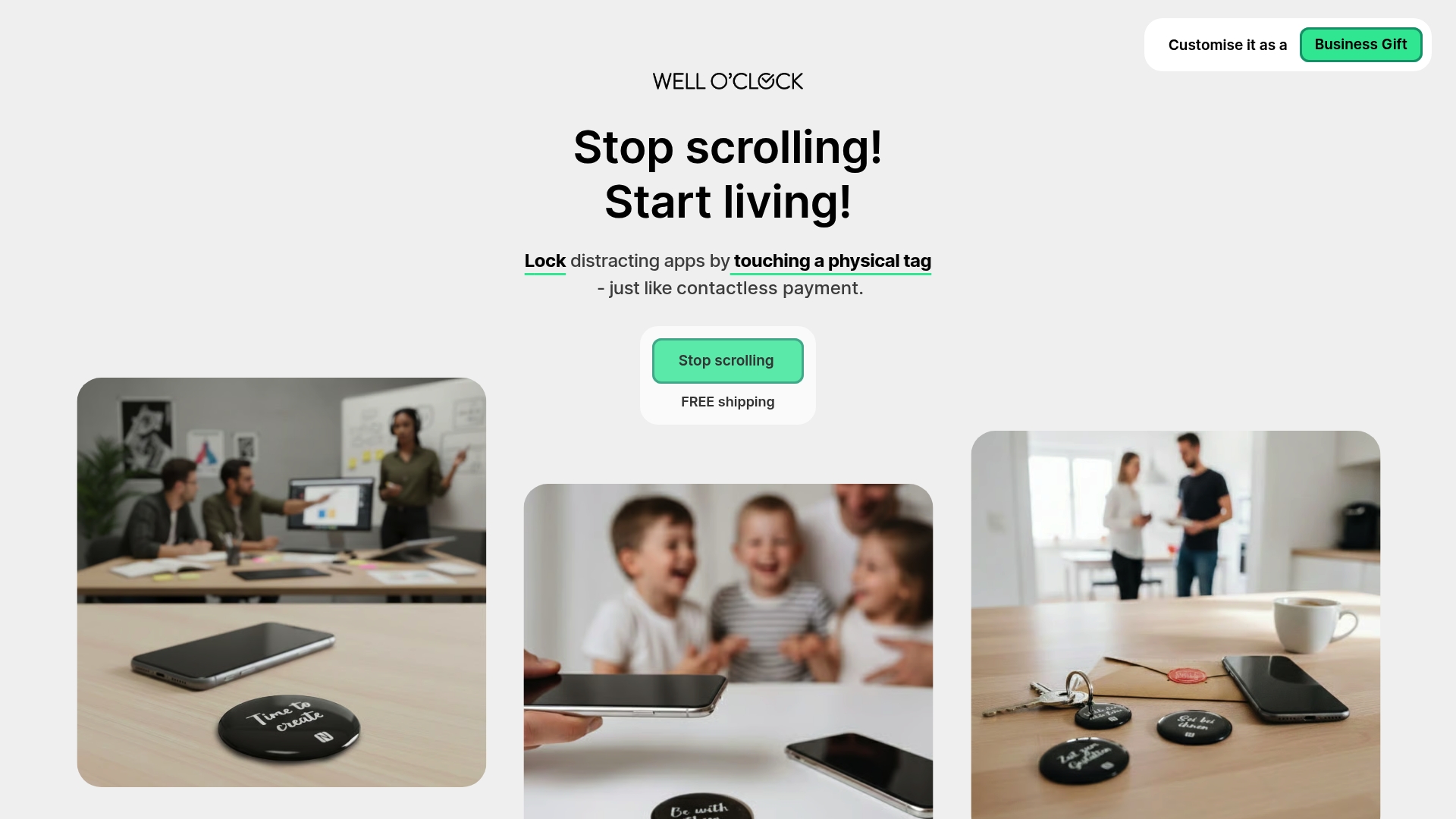
Discover how to regain mental clarity and boost productivity by creating intentional boundaries around your phone use. Start your journey toward healthier digital habits today with Well O’Clock. Learn more about how you can overcome notification dependency and attention fragmentation at https://welloclock.com and explore tools designed specifically for improving focus and wellness.
Frequently Asked Questions
What are the signs of excessive phone usage?
Indicators of excessive phone usage include anxiety when separated from your device, checking your phone immediately upon waking, using your phone as a coping mechanism for stress, neglecting personal relationships due to distractions, and persistent urges to scroll through digital content.
How does excessive phone usage impact mental health?
Excessive phone usage can lead to heightened anxiety, dopamine dysregulation, social comparison syndrome, attention fragmentation, and emotional disconnection, ultimately affecting your mood, cognition, and social interactions.
What physical problems can arise from too much smartphone use?
Physical effects of excessive smartphone usage can include chronic neck and shoulder pain, digital eye syndrome, repetitive strain injuries, poor posture, and disrupted sleep patterns, as blue light exposure and prolonged device use impact your physical well-being.
How can I manage my smartphone usage effectively?
To manage smartphone usage, implement strategies like scheduling digital detox periods, setting physical barriers to device access, establishing clear usage limits, practicing mindful consumption, and finding alternative stress relief techniques.

Mak Kordić
Co founder
Mak Kordić is the founder and CEO of CNJ Digital, an agency based in Ljubljana, where he and his team develop UX/UI and digital products for demanding B2B projects. Over his career, he has led and co-created hundreds of digital solutions and worked with international clients.








Excessive Phone Usage – How It Affects Wellness
Mak Kordić
,
February 19, 2026
Scrolling endlessly through apps during late nights can leave even the most health-conscious professionals feeling drained and unfocused. In major cities around the world, the challenges posed by excessive phone usage extend well beyond simple screen time, often fueling anxiety, sleep issues, and diminished real-world connections. This article uncovers the true nature of problematic smartphone use and exposes common misconceptions, while offering practical steps for reclaiming focus, supporting mental health, and returning to intentional, healthier technology engagement.
Table of Contents
- Defining Excessive Phone Usage And Misconceptions
- Types And Patterns Of Phone Overuse Today
- How Excessive Phone Use Impacts Mental Health
- Physical Effects And Sleep Disruption Explained
- Impact On Focus, Productivity, And Relationships
- Mistakes To Avoid And Effective Solutions
Defining Excessive Phone Usage and Misconceptions
Excessive phone usage goes far beyond simply spending time on your device. It represents a complex behavioral pattern characterized by compulsive digital interactions that significantly disrupt daily functioning and mental well-being. While many people believe excessive usage means hours of continuous screen time, the reality is more nuanced and deeply psychological.
Typical misconceptions about phone overuse include:
- Believing only "extreme" users have a problem
- Thinking digital addiction is a matter of personal willpower
- Assuming young people are the only demographic affected
- Considering phone use purely recreational rather than potentially harmful
Professional research suggests that excessive phone usage isn't just about total screen hours, but about the quality and intentionality of digital interactions. It involves compulsive checking, constant notifications, and an inability to disconnect, which can trigger significant neurological responses. These patterns create a feedback loop where digital stimulation becomes a primary source of dopamine and instant gratification.
" Phone addiction represents a modern behavioral syndrome where digital interactions replace meaningful real-world connections and experiences. "
Scientific studies have identified several key indicators of problematic phone usage:
1. Experiencing anxiety when separated from your device
2. Checking phone immediately upon waking
3. Using phone as a primary coping mechanism for stress
4. Neglecting personal relationships due to digital distractions
5. Feeling persistent urges to scroll or engage with digital content
Pro tip: Conduct a personal digital audit by tracking your screen time and identifying unconscious usage patterns to understand your relationship with technology.
Types and Patterns of Phone Overuse Today
Smartphone usage has evolved into a complex spectrum of behavioral patterns that extend far beyond simple communication. Systematic research on digital behaviors reveals multiple distinctive categories of problematic digital interactions that impact psychological well-being and social functioning.
The primary types of phone overuse include:
- Social Media Addiction: Compulsive scrolling, constant platform checking, and deriving self-worth from digital validation
- Notification Dependency: Experiencing anxiety when not immediately responsive to digital alerts
- Information Overload: Continuously consuming digital content without meaningful engagement
- Escapist Digital Consumption: Using smartphones as a mechanism to avoid real-world interactions or emotional processing
Smartphone use patterns demonstrate that overuse is not uniform but varies significantly across different demographic groups and psychological profiles. Some individuals exhibit passive consumption, while others display hyperactive digital engagement characterized by constant switching between apps and platforms.
" Digital behaviors represent complex psychological mechanisms where technology becomes an emotional regulation tool rather than a communication device. "
Researchers have identified several critical dimensions of problematic smartphone interactions:
1. Emotional regulation through digital consumption
2. Dopamine-driven engagement cycles
3. Unconscious scrolling behaviors
4. Digital validation seeking
5. Compulsive information gathering
Pro tip: Create intentional digital boundaries by scheduling specific times for smartphone use and implementing app-blocking techniques during productive hours.
How Excessive Phone Use Impacts Mental Health
Research on smartphone mental health impacts reveals a profound connection between digital overuse and psychological well-being. Excessive phone usage triggers complex neurological and emotional responses that can dramatically alter an individual's mental landscape, creating cascading effects on mood, cognition, and social interactions.
The primary mental health challenges associated with excessive phone use include:
- Anxiety Amplification: Constant digital stimulation increases background stress levels
- Dopamine Dysregulation: Repeated digital interactions disrupt natural reward mechanisms
- Social Comparison Syndrome: Continuous exposure to curated online personas triggers feelings of inadequacy
- Attention Fragmentation: Persistent notifications interrupt cognitive processing and concentration
- Emotional Disconnection: Reduced face-to-face interactions impair genuine emotional processing
Smartphone use disorders demonstrate significant correlations between digital behaviors and psychological distress. The constant digital engagement creates a feedback loop where anxiety drives more phone use, which subsequently increases psychological vulnerability.
" Digital dependency represents a modern psychological syndrome where technology becomes both the cause and attempted solution of emotional distress. "
Researchers have identified several critical mental health manifestations of excessive phone use:
1. Increased rates of clinical depression
2. Reduced emotional intelligence
3. Heightened social anxiety
4. Disrupted sleep patterns
5. Diminished real-world relationship quality
Pro tip: Implement daily digital detox periods and practice mindful technology consumption to restore psychological balance and reclaim authentic emotional experiences.
Physical Effects and Sleep Disruption Explained
Smartphone health impacts reveal a startling connection between digital device overuse and physical wellness. Prolonged smartphone engagement triggers complex physiological responses that extend far beyond simple screen interaction, creating a cascade of potential health complications affecting multiple body systems.
The primary physical manifestations of excessive phone use include:
- Cervical Spine Stress: Chronic neck strain from prolonged downward head positioning
- Digital Eye Syndrome: Increased eye fatigue and potential vision deterioration
- Repetitive Strain Injuries: Persistent hand and wrist discomfort from continuous scrolling
- Posture Degradation: Muscular imbalances caused by sedentary digital consumption
- Circulatory Disruption: Reduced blood flow from extended sedentary periods
Sleep disruption mechanisms demonstrate how smartphone interactions fundamentally alter natural circadian rhythms. Blue light exposure and constant digital stimulation interrupt melatonin production, creating a neurological environment hostile to healthy sleep patterns.
" Smartphone overuse represents a modern physiological challenge where technology actively undermines fundamental biological recovery processes. "
Researchers have documented several critical physical consequences of excessive phone use:
1. Chronic neck and shoulder pain
2. Increased risk of tension headaches
3. Compromised sleep quality
4. Reduced overall physical mobility
5. Potential long-term musculoskeletal complications
Pro tip: Create a dedicated charging station outside your bedroom and implement a strict digital curfew to protect your physical health and restore natural sleep cycles.
Impact on Focus, Productivity, and Relationships
Academic performance research reveals the profound ways excessive smartphone use disrupts cognitive functioning and interpersonal dynamics. Digital overuse creates a complex web of interruptions that systematically erode concentration, professional effectiveness, and meaningful human connections.
The critical areas impacted by excessive phone engagement include:
- Cognitive Fragmentation: Constant notifications interrupt deep thinking processes
- Attention Deficit: Reduced ability to maintain sustained focus on complex tasks
- Relationship Quality: Diminished meaningful interpersonal interactions
- Professional Performance: Decreased workplace productivity and strategic thinking
- Communication Patterns: Shallow, transactional interactions replacing genuine dialogue
Professional environments increasingly recognize how smartphone dependency undermines workplace effectiveness. Continuous digital interruptions create a neurological state of persistent partial attention, where individuals never fully engage with any single task or conversation.
" Digital multitasking represents a modern productivity illusion where constant activity masks genuine accomplishment. "
Researchers have documented several profound consequences of unchecked digital consumption:
1. Reduced ability to process complex information
2. Increased social isolation
3. Diminished emotional intelligence
4. Compromised professional decision-making skills
5. Weakened long-term memory formation
Pro tip: Implement strategic digital boundaries by creating technology-free zones in personal and professional spaces to restore genuine human connection and cognitive clarity.
Mistakes to Avoid and Effective Solutions
Digital wellness strategies reveal common pitfalls that perpetuate unhealthy smartphone relationships. Understanding these mistakes is crucial for developing a more intentional and balanced approach to digital consumption, enabling individuals to regain control over their technological interactions.
Common mistakes that escalate smartphone dependency include:
- Unconscious Checking: Mindlessly reaching for your device without intentional purpose
- Notification Addiction: Allowing constant alerts to dictate your attention
- Procrastination Enablement: Using smartphones as an escape from challenging tasks
- Social Media Comparison: Using platforms as a measure of personal worth
- Nighttime Screen Usage: Disrupting natural sleep cycles through late-night digital engagement
Academic interventions for digital management demonstrate that structured approaches can effectively interrupt problematic phone use patterns. Developing self-regulation strategies requires a multifaceted approach that addresses psychological triggers and establishes healthy technological boundaries.
" Effective digital wellness is not about complete elimination, but intentional and controlled technology interaction. "
Strategic solutions for managing excessive phone usage include:
1. Implementing scheduled digital detox periods
2. Creating physical barriers to unconscious device access
3. Establishing clear usage boundaries
4. Practicing mindful technology consumption
5. Developing alternative stress management techniques
Pro tip: Design a personalized digital wellness plan that includes specific times for device use, alternative activities, and meaningful offline interactions.
Take Control of Your Digital Wellness and Break Free from Excessive Phone Use
Excessive phone usage affects your focus, mental health, and daily relationships by creating compulsive patterns that are hard to break. If you find yourself trapped in constant notifications and unconscious scrolling, you are not alone. Well O’Clock offers an innovative physical and digital solution to interrupt these autopilot behaviors by using NFC tags combined with a mobile app. This unique system helps reduce anxiety, improve sleep quality, and restore meaningful real-world connections by allowing you to lock distracting apps with a simple tap.
Discover how to regain mental clarity and boost productivity by creating intentional boundaries around your phone use. Start your journey toward healthier digital habits today with Well O’Clock. Learn more about how you can overcome notification dependency and attention fragmentation at https://welloclock.com and explore tools designed specifically for improving focus and wellness.
Frequently Asked Questions
What are the signs of excessive phone usage?
Indicators of excessive phone usage include anxiety when separated from your device, checking your phone immediately upon waking, using your phone as a coping mechanism for stress, neglecting personal relationships due to distractions, and persistent urges to scroll through digital content.
How does excessive phone usage impact mental health?
Excessive phone usage can lead to heightened anxiety, dopamine dysregulation, social comparison syndrome, attention fragmentation, and emotional disconnection, ultimately affecting your mood, cognition, and social interactions.
What physical problems can arise from too much smartphone use?
Physical effects of excessive smartphone usage can include chronic neck and shoulder pain, digital eye syndrome, repetitive strain injuries, poor posture, and disrupted sleep patterns, as blue light exposure and prolonged device use impact your physical well-being.
How can I manage my smartphone usage effectively?
To manage smartphone usage, implement strategies like scheduling digital detox periods, setting physical barriers to device access, establishing clear usage limits, practicing mindful consumption, and finding alternative stress relief techniques.
Mak Kordić
Co founder
Mak Kordić is the founder and CEO of CNJ Digital, an agency based in Ljubljana, where he and his team develop UX/UI and digital products for demanding B2B projects. Over his career, he has led and co-created hundreds of digital solutions and worked with international clients.
Excessive Phone Usage – How It Affects Wellness
Mak Kordić
,
February 19, 2026
Scrolling endlessly through apps during late nights can leave even the most health-conscious professionals feeling drained and unfocused. In major cities around the world, the challenges posed by excessive phone usage extend well beyond simple screen time, often fueling anxiety, sleep issues, and diminished real-world connections. This article uncovers the true nature of problematic smartphone use and exposes common misconceptions, while offering practical steps for reclaiming focus, supporting mental health, and returning to intentional, healthier technology engagement.
Table of Contents
- Defining Excessive Phone Usage And Misconceptions
- Types And Patterns Of Phone Overuse Today
- How Excessive Phone Use Impacts Mental Health
- Physical Effects And Sleep Disruption Explained
- Impact On Focus, Productivity, And Relationships
- Mistakes To Avoid And Effective Solutions
Defining Excessive Phone Usage and Misconceptions
Excessive phone usage goes far beyond simply spending time on your device. It represents a complex behavioral pattern characterized by compulsive digital interactions that significantly disrupt daily functioning and mental well-being. While many people believe excessive usage means hours of continuous screen time, the reality is more nuanced and deeply psychological.
Typical misconceptions about phone overuse include:
- Believing only "extreme" users have a problem
- Thinking digital addiction is a matter of personal willpower
- Assuming young people are the only demographic affected
- Considering phone use purely recreational rather than potentially harmful
Professional research suggests that excessive phone usage isn't just about total screen hours, but about the quality and intentionality of digital interactions. It involves compulsive checking, constant notifications, and an inability to disconnect, which can trigger significant neurological responses. These patterns create a feedback loop where digital stimulation becomes a primary source of dopamine and instant gratification.
" Phone addiction represents a modern behavioral syndrome where digital interactions replace meaningful real-world connections and experiences. "
Scientific studies have identified several key indicators of problematic phone usage:
1. Experiencing anxiety when separated from your device
2. Checking phone immediately upon waking
3. Using phone as a primary coping mechanism for stress
4. Neglecting personal relationships due to digital distractions
5. Feeling persistent urges to scroll or engage with digital content
Pro tip: Conduct a personal digital audit by tracking your screen time and identifying unconscious usage patterns to understand your relationship with technology.
Types and Patterns of Phone Overuse Today
Smartphone usage has evolved into a complex spectrum of behavioral patterns that extend far beyond simple communication. Systematic research on digital behaviors reveals multiple distinctive categories of problematic digital interactions that impact psychological well-being and social functioning.
The primary types of phone overuse include:
- Social Media Addiction: Compulsive scrolling, constant platform checking, and deriving self-worth from digital validation
- Notification Dependency: Experiencing anxiety when not immediately responsive to digital alerts
- Information Overload: Continuously consuming digital content without meaningful engagement
- Escapist Digital Consumption: Using smartphones as a mechanism to avoid real-world interactions or emotional processing
Smartphone use patterns demonstrate that overuse is not uniform but varies significantly across different demographic groups and psychological profiles. Some individuals exhibit passive consumption, while others display hyperactive digital engagement characterized by constant switching between apps and platforms.
" Digital behaviors represent complex psychological mechanisms where technology becomes an emotional regulation tool rather than a communication device. "
Researchers have identified several critical dimensions of problematic smartphone interactions:
1. Emotional regulation through digital consumption
2. Dopamine-driven engagement cycles
3. Unconscious scrolling behaviors
4. Digital validation seeking
5. Compulsive information gathering
Pro tip: Create intentional digital boundaries by scheduling specific times for smartphone use and implementing app-blocking techniques during productive hours.
How Excessive Phone Use Impacts Mental Health
Research on smartphone mental health impacts reveals a profound connection between digital overuse and psychological well-being. Excessive phone usage triggers complex neurological and emotional responses that can dramatically alter an individual's mental landscape, creating cascading effects on mood, cognition, and social interactions.
The primary mental health challenges associated with excessive phone use include:
- Anxiety Amplification: Constant digital stimulation increases background stress levels
- Dopamine Dysregulation: Repeated digital interactions disrupt natural reward mechanisms
- Social Comparison Syndrome: Continuous exposure to curated online personas triggers feelings of inadequacy
- Attention Fragmentation: Persistent notifications interrupt cognitive processing and concentration
- Emotional Disconnection: Reduced face-to-face interactions impair genuine emotional processing
Smartphone use disorders demonstrate significant correlations between digital behaviors and psychological distress. The constant digital engagement creates a feedback loop where anxiety drives more phone use, which subsequently increases psychological vulnerability.
" Digital dependency represents a modern psychological syndrome where technology becomes both the cause and attempted solution of emotional distress. "
Researchers have identified several critical mental health manifestations of excessive phone use:
1. Increased rates of clinical depression
2. Reduced emotional intelligence
3. Heightened social anxiety
4. Disrupted sleep patterns
5. Diminished real-world relationship quality
Pro tip: Implement daily digital detox periods and practice mindful technology consumption to restore psychological balance and reclaim authentic emotional experiences.
Physical Effects and Sleep Disruption Explained
Smartphone health impacts reveal a startling connection between digital device overuse and physical wellness. Prolonged smartphone engagement triggers complex physiological responses that extend far beyond simple screen interaction, creating a cascade of potential health complications affecting multiple body systems.
The primary physical manifestations of excessive phone use include:
- Cervical Spine Stress: Chronic neck strain from prolonged downward head positioning
- Digital Eye Syndrome: Increased eye fatigue and potential vision deterioration
- Repetitive Strain Injuries: Persistent hand and wrist discomfort from continuous scrolling
- Posture Degradation: Muscular imbalances caused by sedentary digital consumption
- Circulatory Disruption: Reduced blood flow from extended sedentary periods
Sleep disruption mechanisms demonstrate how smartphone interactions fundamentally alter natural circadian rhythms. Blue light exposure and constant digital stimulation interrupt melatonin production, creating a neurological environment hostile to healthy sleep patterns.
" Smartphone overuse represents a modern physiological challenge where technology actively undermines fundamental biological recovery processes. "
Researchers have documented several critical physical consequences of excessive phone use:
1. Chronic neck and shoulder pain
2. Increased risk of tension headaches
3. Compromised sleep quality
4. Reduced overall physical mobility
5. Potential long-term musculoskeletal complications
Pro tip: Create a dedicated charging station outside your bedroom and implement a strict digital curfew to protect your physical health and restore natural sleep cycles.
Impact on Focus, Productivity, and Relationships
Academic performance research reveals the profound ways excessive smartphone use disrupts cognitive functioning and interpersonal dynamics. Digital overuse creates a complex web of interruptions that systematically erode concentration, professional effectiveness, and meaningful human connections.
The critical areas impacted by excessive phone engagement include:
- Cognitive Fragmentation: Constant notifications interrupt deep thinking processes
- Attention Deficit: Reduced ability to maintain sustained focus on complex tasks
- Relationship Quality: Diminished meaningful interpersonal interactions
- Professional Performance: Decreased workplace productivity and strategic thinking
- Communication Patterns: Shallow, transactional interactions replacing genuine dialogue
Professional environments increasingly recognize how smartphone dependency undermines workplace effectiveness. Continuous digital interruptions create a neurological state of persistent partial attention, where individuals never fully engage with any single task or conversation.
" Digital multitasking represents a modern productivity illusion where constant activity masks genuine accomplishment. "
Researchers have documented several profound consequences of unchecked digital consumption:
1. Reduced ability to process complex information
2. Increased social isolation
3. Diminished emotional intelligence
4. Compromised professional decision-making skills
5. Weakened long-term memory formation
Pro tip: Implement strategic digital boundaries by creating technology-free zones in personal and professional spaces to restore genuine human connection and cognitive clarity.
Mistakes to Avoid and Effective Solutions
Digital wellness strategies reveal common pitfalls that perpetuate unhealthy smartphone relationships. Understanding these mistakes is crucial for developing a more intentional and balanced approach to digital consumption, enabling individuals to regain control over their technological interactions.
Common mistakes that escalate smartphone dependency include:
- Unconscious Checking: Mindlessly reaching for your device without intentional purpose
- Notification Addiction: Allowing constant alerts to dictate your attention
- Procrastination Enablement: Using smartphones as an escape from challenging tasks
- Social Media Comparison: Using platforms as a measure of personal worth
- Nighttime Screen Usage: Disrupting natural sleep cycles through late-night digital engagement
Academic interventions for digital management demonstrate that structured approaches can effectively interrupt problematic phone use patterns. Developing self-regulation strategies requires a multifaceted approach that addresses psychological triggers and establishes healthy technological boundaries.
" Effective digital wellness is not about complete elimination, but intentional and controlled technology interaction. "
Strategic solutions for managing excessive phone usage include:
1. Implementing scheduled digital detox periods
2. Creating physical barriers to unconscious device access
3. Establishing clear usage boundaries
4. Practicing mindful technology consumption
5. Developing alternative stress management techniques
Pro tip: Design a personalized digital wellness plan that includes specific times for device use, alternative activities, and meaningful offline interactions.
Take Control of Your Digital Wellness and Break Free from Excessive Phone Use
Excessive phone usage affects your focus, mental health, and daily relationships by creating compulsive patterns that are hard to break. If you find yourself trapped in constant notifications and unconscious scrolling, you are not alone. Well O’Clock offers an innovative physical and digital solution to interrupt these autopilot behaviors by using NFC tags combined with a mobile app. This unique system helps reduce anxiety, improve sleep quality, and restore meaningful real-world connections by allowing you to lock distracting apps with a simple tap.
Discover how to regain mental clarity and boost productivity by creating intentional boundaries around your phone use. Start your journey toward healthier digital habits today with Well O’Clock. Learn more about how you can overcome notification dependency and attention fragmentation at https://welloclock.com and explore tools designed specifically for improving focus and wellness.
Frequently Asked Questions
What are the signs of excessive phone usage?
Indicators of excessive phone usage include anxiety when separated from your device, checking your phone immediately upon waking, using your phone as a coping mechanism for stress, neglecting personal relationships due to distractions, and persistent urges to scroll through digital content.
How does excessive phone usage impact mental health?
Excessive phone usage can lead to heightened anxiety, dopamine dysregulation, social comparison syndrome, attention fragmentation, and emotional disconnection, ultimately affecting your mood, cognition, and social interactions.
What physical problems can arise from too much smartphone use?
Physical effects of excessive smartphone usage can include chronic neck and shoulder pain, digital eye syndrome, repetitive strain injuries, poor posture, and disrupted sleep patterns, as blue light exposure and prolonged device use impact your physical well-being.
How can I manage my smartphone usage effectively?
To manage smartphone usage, implement strategies like scheduling digital detox periods, setting physical barriers to device access, establishing clear usage limits, practicing mindful consumption, and finding alternative stress relief techniques.
Mak Kordić
Co founder
Mak Kordić is the founder and CEO of CNJ Digital, an agency based in Ljubljana, where he and his team develop UX/UI and digital products for demanding B2B projects. Over his career, he has led and co-created hundreds of digital solutions and worked with international clients.