
How to Minimize Device Distractions for Greater Focus
Mak Kordić
,
February 19, 2026


Juggling work commitments with personal goals can feel overwhelming when constant device alerts invade every quiet moment. For professionals focused on productivity and well-being, pinpointing the real sources of screen distraction is more than a tech trend, it is a necessity for mental clarity. This guide walks you through mindful technology use and strategic routines so you can reclaim your focus and build healthier digital habits — one simple step at a time.
Table of Contents
- Step 1: Assess Your Sources Of Device Distractions
- Step 2: Configure Your Devices For Mindful Use
- Step 3: Implement Physical NFC Tags For Instant Control
- Step 4: Establish Routines To Reinforce Healthy Habits
- Step 5: Track Results And Refine Your Approach
Step 1: Assess your sources of device distractions
Effectively minimizing digital distractions begins with a strategic self-assessment of where and how technology interrupts your focus. Understanding digital distraction sources is crucial for creating targeted intervention strategies.
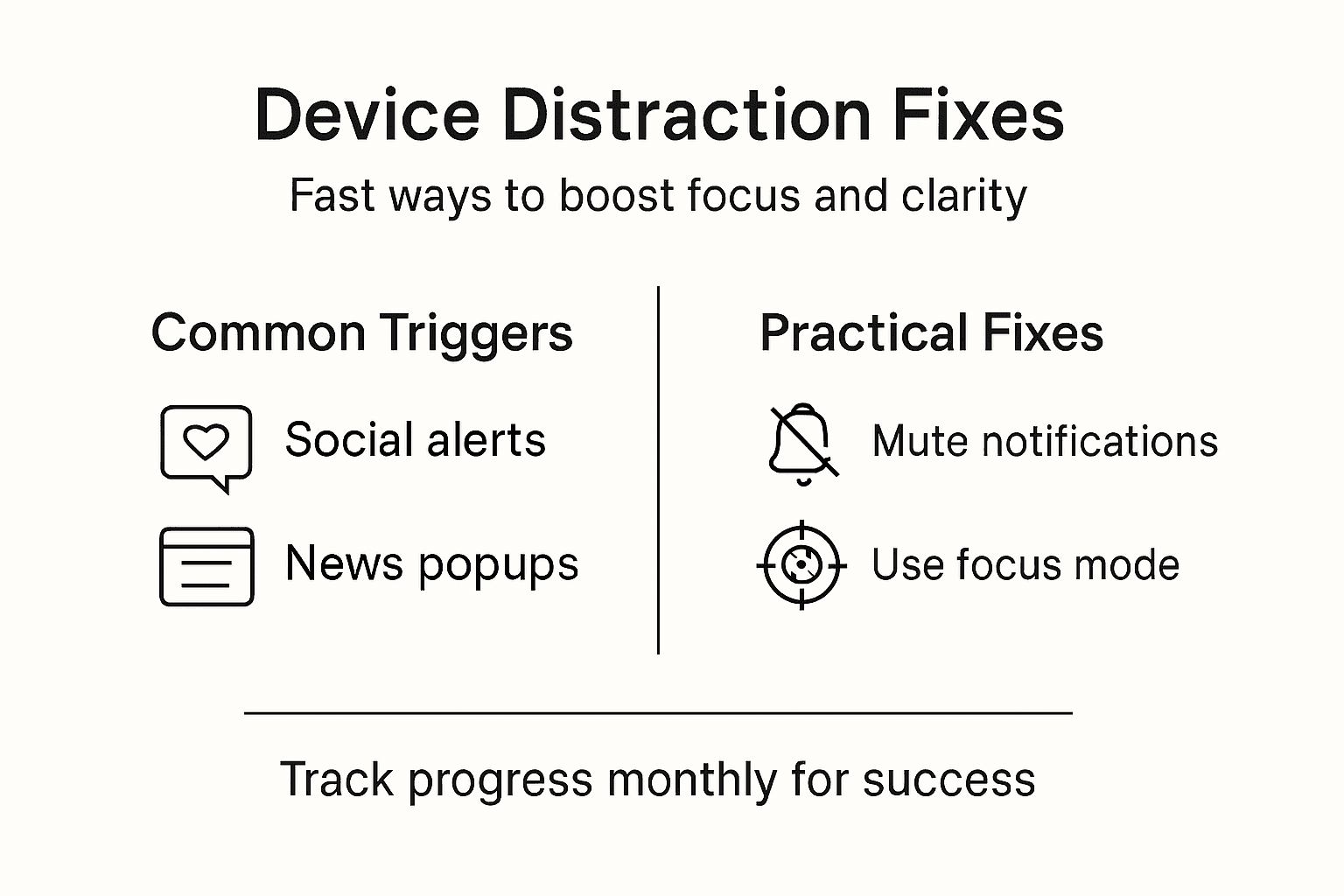
To systematically identify your device distractions, start by documenting your digital interactions over a typical day. Track how often you check your smartphone, which notifications trigger immediate responses, and what apps consume most of your screen time. Research indicates that technology distractors represent over 50% of potential interruptions, with personal needs contributing an additional 37%. Key sources typically include:
- Social media notifications
- Email pop-ups
- Text message alerts
- Instant messaging applications
- Streaming platform recommendations
- Video game invitations
- Random web browsing
Create a detailed log noting the time spent on each platform and the emotional triggers that compel you to engage. Pay special attention to patterns like stress-induced scrolling or boredom-driven app checking. Understanding these behavioral mechanisms allows you to design more effective interruption strategies.
Pro tip: Use screen time tracking apps to automatically generate a comprehensive report of your digital interaction patterns without manual logging.
Step 2: Configure your devices for mindful use
Transforming your digital environment requires intentional device configuration that supports focused and purposeful technology interactions. Mindful technology strategies can dramatically reduce unconscious digital consumption and help you regain control over your technological habits.
Start by conducting a comprehensive device audit across all your digital platforms. Focus on systematically adjusting settings to minimize interruptions and create a more intentional digital ecosystem. Here are key configuration strategies:
- Disable non-essential notifications on smartphones and computers
- Set up focus modes that automatically silence distractions during work hours
- Use grayscale display settings to reduce visual app attractiveness
- Create designated home screen layouts with only essential, productivity-supporting apps
- Implement app time limits and usage tracking
Each device configuration choice should serve a specific purpose: reducing cognitive load and preventing unintentional engagement. By transforming your devices from constant interruption machines to purposeful tools, you create an environment that supports sustained attention and meaningful productivity.
" Intentional device configuration is about controlling technology, not letting technology control you. "
Pro tip: Schedule a monthly "digital detox" review where you reassess and reconfigure your device settings to ensure they continue supporting your focus and well-being.
Step 3: Implement physical NFC tags for instant control
Integrating physical NFC tags provides a tangible strategy for breaking digital distractions and creating immediate device control. NFC smart tag solutions offer an innovative approach to managing technology interactions with simple, instantaneous interventions.
To implement NFC tags effectively, follow these strategic steps:
- Purchase NFC tags compatible with your smartphone
- Identify key locations for tag placement (desk, bedroom, workspace)
- Program each tag with specific device control functions
- Create focused interaction zones throughout your environment
- Set unique actions for different tags (work mode, meditation mode, sleep mode)
Each NFC tag becomes a physical trigger for intentional device behavior. By strategically placing tags in your personal and professional spaces, you transform abstract digital boundaries into concrete, actionable moments of control. This approach goes beyond app settings, providing a physical intervention that interrupts automatic scrolling and mindless technology consumption.

" Physical interventions transform digital habits more effectively than software settings alone. "
Pro tip: Color-code your NFC tags to visually distinguish between different modes and functions, making your digital control system more intuitive and engaging.
Step 4: Establish routines to reinforce healthy habits
Building sustainable digital wellness requires deliberate routine development that transforms sporadic intentions into consistent behaviors. Effective habit-building strategies provide the structural framework for lasting behavioral change and improved focus.
Design your daily routine with intentional boundaries and consistent practices that support your digital wellness goals. Your routine should include specific elements that manage technology interaction and promote mindful engagement:
- Set consistent wake-up and bedtime schedules
- Create morning digital detox windows
- Schedule dedicated technology-free periods
- Use time-blocking techniques for focused work
- Implement evening wind-down rituals without screens
Successful routines transform abstract goals into concrete, repeatable actions. By systematically integrating these practices, you create neural pathways that make mindful technology use feel natural and effortless. The key is gradual implementation and compassionate self-accountability.
" Consistency transforms intentions into automatic behaviors. "
Pro tip:Track your routine adherence using a physical habit journal, giving yourself credit for progress and learning from moments of deviation.*
Step 5: Track results and refine your approach
Successful digital wellness demands continuous monitoring and strategic adaptation. Tracking digital distraction interventions allows you to understand the effectiveness of your strategies and make data-driven adjustments to improve focus and productivity.
Implement a comprehensive tracking system that captures multiple dimensions of your digital behavior and personal performance:
- Record daily screen time across different devices
- Monitor productivity levels and task completion rates
- Track emotional states and energy levels
- Note frequency of digital interruptions
- Assess quality of sleep and overall well-being
- Measure progress against initial baseline metrics
Your tracking approach should blend quantitative measurements with qualitative insights. Periodic self-reflection transforms raw data into meaningful behavioral understanding. By analyzing patterns, you can identify specific triggers, recognize improvement areas, and continuously optimize your digital wellness strategy.
" Data without interpretation is just noise. Meaningful insights drive real change. "
Pro tip: Review your tracking data monthly, celebrating small wins and adjusting strategies compassionately, recognizing that progress is rarely linear.
Take Control of Your Focus With Physical Digital Habits
The article highlights the challenge of constant device distractions that disrupt your mental clarity and reduce productivity. Key pain points like social media alerts, email pop-ups, and mindless scrolling create an invisible barrier to sustained attention. Concepts such as intentional device configuration, physical NFC tag interventions, and building healthy routines emphasize how breaking autopilot behaviors is vital for lasting change. If you want to stop letting technology control you and regain true focus, you need a solution that bridges the gap between digital intentions and real-world action.
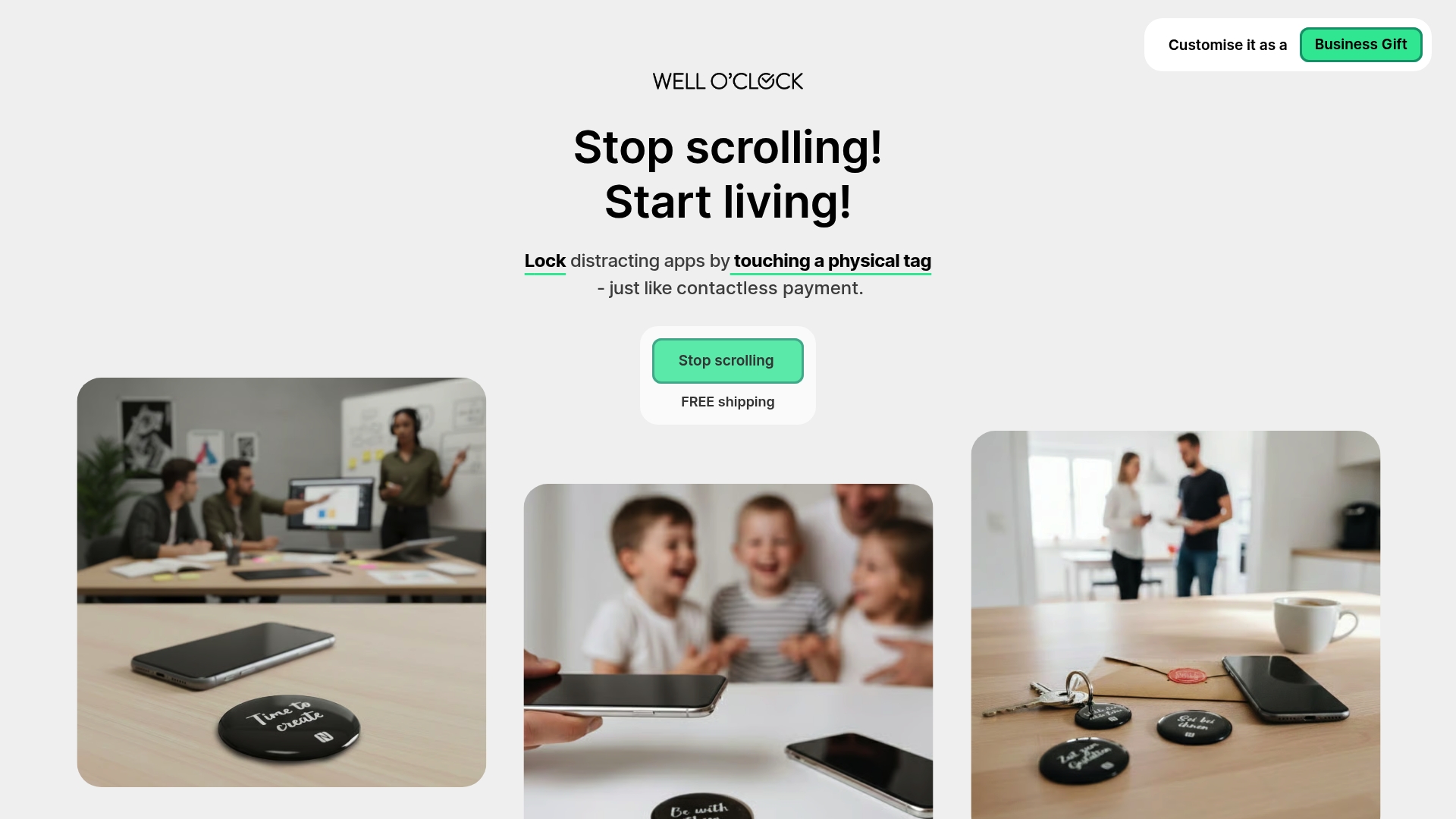
Discover how Well O’Clock’s unique system combines physical NFC tags with a smart mobile app to give you instant, hands-on control over distracting apps. This innovative approach helps you interrupt your phone usage with a tap, transforming abstract goals into tangible habits. Whether you are seeking improved productivity, better sleep, or reduced anxiety, Well O’Clock provides an effective, user-friendly way to lock distractions and reinforce mindful tech use. Take the first step today and explore how to integrate this physical-digital solution into your daily routine at Well O’Clock. Transform your relationship with technology and reclaim your focus now.
Frequently Asked Questions
How can I identify my primary sources of device distractions?
To identify your primary sources of distractions, document your digital interactions over a typical day. Track how often you check your devices, which notifications prompt immediate responses, and the apps that take up the most of your time.
What are effective strategies to configure my devices for focused use?
Effective strategies include disabling non-essential notifications, setting up focus modes for your work hours, and organizing your home screen to prioritize productivity apps. Adjust these settings to minimize interruptions, aiming for a reduction in distractions by at least 30% over the next few weeks.
How can I use NFC tags to control my device distractions?
You can use NFC tags by purchasing compatible tags and programming them with specific actions for your devices. Place these tags in key areas to trigger different modes, such as work or relaxation, instantly engaging them to reduce mindless technology use.
What routines can I establish to promote healthy digital habits?
Establish routines by setting consistent wake-up and bedtime schedules, creating morning digital detox periods, and scheduling technology-free times. Implementing these routines can lead to improved focus and more mindful engagement with your devices within 30 days.
How do I effectively track my results in minimizing device distractions?
Effectively track your results by recording daily screen time, monitoring productivity, and reflecting on emotional states and interruptions. Analyze this data at least once a month to identify patterns and make informed adjustments to your strategies.

Mak Kordić
Co founder
Mak Kordić is the founder and CEO of CNJ Digital, an agency based in Ljubljana, where he and his team develop UX/UI and digital products for demanding B2B projects. Over his career, he has led and co-created hundreds of digital solutions and worked with international clients.








How to Minimize Device Distractions for Greater Focus
Mak Kordić
,
February 19, 2026
Juggling work commitments with personal goals can feel overwhelming when constant device alerts invade every quiet moment. For professionals focused on productivity and well-being, pinpointing the real sources of screen distraction is more than a tech trend, it is a necessity for mental clarity. This guide walks you through mindful technology use and strategic routines so you can reclaim your focus and build healthier digital habits — one simple step at a time.
Table of Contents
- Step 1: Assess Your Sources Of Device Distractions
- Step 2: Configure Your Devices For Mindful Use
- Step 3: Implement Physical NFC Tags For Instant Control
- Step 4: Establish Routines To Reinforce Healthy Habits
- Step 5: Track Results And Refine Your Approach
Step 1: Assess your sources of device distractions
Effectively minimizing digital distractions begins with a strategic self-assessment of where and how technology interrupts your focus. Understanding digital distraction sources is crucial for creating targeted intervention strategies.
To systematically identify your device distractions, start by documenting your digital interactions over a typical day. Track how often you check your smartphone, which notifications trigger immediate responses, and what apps consume most of your screen time. Research indicates that technology distractors represent over 50% of potential interruptions, with personal needs contributing an additional 37%. Key sources typically include:
- Social media notifications
- Email pop-ups
- Text message alerts
- Instant messaging applications
- Streaming platform recommendations
- Video game invitations
- Random web browsing
Create a detailed log noting the time spent on each platform and the emotional triggers that compel you to engage. Pay special attention to patterns like stress-induced scrolling or boredom-driven app checking. Understanding these behavioral mechanisms allows you to design more effective interruption strategies.
Pro tip: Use screen time tracking apps to automatically generate a comprehensive report of your digital interaction patterns without manual logging.
Step 2: Configure your devices for mindful use
Transforming your digital environment requires intentional device configuration that supports focused and purposeful technology interactions. Mindful technology strategies can dramatically reduce unconscious digital consumption and help you regain control over your technological habits.
Start by conducting a comprehensive device audit across all your digital platforms. Focus on systematically adjusting settings to minimize interruptions and create a more intentional digital ecosystem. Here are key configuration strategies:
- Disable non-essential notifications on smartphones and computers
- Set up focus modes that automatically silence distractions during work hours
- Use grayscale display settings to reduce visual app attractiveness
- Create designated home screen layouts with only essential, productivity-supporting apps
- Implement app time limits and usage tracking
Each device configuration choice should serve a specific purpose: reducing cognitive load and preventing unintentional engagement. By transforming your devices from constant interruption machines to purposeful tools, you create an environment that supports sustained attention and meaningful productivity.
" Intentional device configuration is about controlling technology, not letting technology control you. "
Pro tip: Schedule a monthly "digital detox" review where you reassess and reconfigure your device settings to ensure they continue supporting your focus and well-being.
Step 3: Implement physical NFC tags for instant control
Integrating physical NFC tags provides a tangible strategy for breaking digital distractions and creating immediate device control. NFC smart tag solutions offer an innovative approach to managing technology interactions with simple, instantaneous interventions.
To implement NFC tags effectively, follow these strategic steps:
- Purchase NFC tags compatible with your smartphone
- Identify key locations for tag placement (desk, bedroom, workspace)
- Program each tag with specific device control functions
- Create focused interaction zones throughout your environment
- Set unique actions for different tags (work mode, meditation mode, sleep mode)
Each NFC tag becomes a physical trigger for intentional device behavior. By strategically placing tags in your personal and professional spaces, you transform abstract digital boundaries into concrete, actionable moments of control. This approach goes beyond app settings, providing a physical intervention that interrupts automatic scrolling and mindless technology consumption.
" Physical interventions transform digital habits more effectively than software settings alone. "
Pro tip: Color-code your NFC tags to visually distinguish between different modes and functions, making your digital control system more intuitive and engaging.
Step 4: Establish routines to reinforce healthy habits
Building sustainable digital wellness requires deliberate routine development that transforms sporadic intentions into consistent behaviors. Effective habit-building strategies provide the structural framework for lasting behavioral change and improved focus.
Design your daily routine with intentional boundaries and consistent practices that support your digital wellness goals. Your routine should include specific elements that manage technology interaction and promote mindful engagement:
- Set consistent wake-up and bedtime schedules
- Create morning digital detox windows
- Schedule dedicated technology-free periods
- Use time-blocking techniques for focused work
- Implement evening wind-down rituals without screens
Successful routines transform abstract goals into concrete, repeatable actions. By systematically integrating these practices, you create neural pathways that make mindful technology use feel natural and effortless. The key is gradual implementation and compassionate self-accountability.
" Consistency transforms intentions into automatic behaviors. "
Pro tip:Track your routine adherence using a physical habit journal, giving yourself credit for progress and learning from moments of deviation.*
Step 5: Track results and refine your approach
Successful digital wellness demands continuous monitoring and strategic adaptation. Tracking digital distraction interventions allows you to understand the effectiveness of your strategies and make data-driven adjustments to improve focus and productivity.
Implement a comprehensive tracking system that captures multiple dimensions of your digital behavior and personal performance:
- Record daily screen time across different devices
- Monitor productivity levels and task completion rates
- Track emotional states and energy levels
- Note frequency of digital interruptions
- Assess quality of sleep and overall well-being
- Measure progress against initial baseline metrics
Your tracking approach should blend quantitative measurements with qualitative insights. Periodic self-reflection transforms raw data into meaningful behavioral understanding. By analyzing patterns, you can identify specific triggers, recognize improvement areas, and continuously optimize your digital wellness strategy.
" Data without interpretation is just noise. Meaningful insights drive real change. "
Pro tip: Review your tracking data monthly, celebrating small wins and adjusting strategies compassionately, recognizing that progress is rarely linear.
Take Control of Your Focus With Physical Digital Habits
The article highlights the challenge of constant device distractions that disrupt your mental clarity and reduce productivity. Key pain points like social media alerts, email pop-ups, and mindless scrolling create an invisible barrier to sustained attention. Concepts such as intentional device configuration, physical NFC tag interventions, and building healthy routines emphasize how breaking autopilot behaviors is vital for lasting change. If you want to stop letting technology control you and regain true focus, you need a solution that bridges the gap between digital intentions and real-world action.
Discover how Well O’Clock’s unique system combines physical NFC tags with a smart mobile app to give you instant, hands-on control over distracting apps. This innovative approach helps you interrupt your phone usage with a tap, transforming abstract goals into tangible habits. Whether you are seeking improved productivity, better sleep, or reduced anxiety, Well O’Clock provides an effective, user-friendly way to lock distractions and reinforce mindful tech use. Take the first step today and explore how to integrate this physical-digital solution into your daily routine at Well O’Clock. Transform your relationship with technology and reclaim your focus now.
Frequently Asked Questions
How can I identify my primary sources of device distractions?
To identify your primary sources of distractions, document your digital interactions over a typical day. Track how often you check your devices, which notifications prompt immediate responses, and the apps that take up the most of your time.
What are effective strategies to configure my devices for focused use?
Effective strategies include disabling non-essential notifications, setting up focus modes for your work hours, and organizing your home screen to prioritize productivity apps. Adjust these settings to minimize interruptions, aiming for a reduction in distractions by at least 30% over the next few weeks.
How can I use NFC tags to control my device distractions?
You can use NFC tags by purchasing compatible tags and programming them with specific actions for your devices. Place these tags in key areas to trigger different modes, such as work or relaxation, instantly engaging them to reduce mindless technology use.
What routines can I establish to promote healthy digital habits?
Establish routines by setting consistent wake-up and bedtime schedules, creating morning digital detox periods, and scheduling technology-free times. Implementing these routines can lead to improved focus and more mindful engagement with your devices within 30 days.
How do I effectively track my results in minimizing device distractions?
Effectively track your results by recording daily screen time, monitoring productivity, and reflecting on emotional states and interruptions. Analyze this data at least once a month to identify patterns and make informed adjustments to your strategies.
Mak Kordić
Co founder
Mak Kordić is the founder and CEO of CNJ Digital, an agency based in Ljubljana, where he and his team develop UX/UI and digital products for demanding B2B projects. Over his career, he has led and co-created hundreds of digital solutions and worked with international clients.
How to Minimize Device Distractions for Greater Focus
Mak Kordić
,
February 19, 2026
Juggling work commitments with personal goals can feel overwhelming when constant device alerts invade every quiet moment. For professionals focused on productivity and well-being, pinpointing the real sources of screen distraction is more than a tech trend, it is a necessity for mental clarity. This guide walks you through mindful technology use and strategic routines so you can reclaim your focus and build healthier digital habits — one simple step at a time.
Table of Contents
- Step 1: Assess Your Sources Of Device Distractions
- Step 2: Configure Your Devices For Mindful Use
- Step 3: Implement Physical NFC Tags For Instant Control
- Step 4: Establish Routines To Reinforce Healthy Habits
- Step 5: Track Results And Refine Your Approach
Step 1: Assess your sources of device distractions
Effectively minimizing digital distractions begins with a strategic self-assessment of where and how technology interrupts your focus. Understanding digital distraction sources is crucial for creating targeted intervention strategies.
To systematically identify your device distractions, start by documenting your digital interactions over a typical day. Track how often you check your smartphone, which notifications trigger immediate responses, and what apps consume most of your screen time. Research indicates that technology distractors represent over 50% of potential interruptions, with personal needs contributing an additional 37%. Key sources typically include:
- Social media notifications
- Email pop-ups
- Text message alerts
- Instant messaging applications
- Streaming platform recommendations
- Video game invitations
- Random web browsing
Create a detailed log noting the time spent on each platform and the emotional triggers that compel you to engage. Pay special attention to patterns like stress-induced scrolling or boredom-driven app checking. Understanding these behavioral mechanisms allows you to design more effective interruption strategies.
Pro tip: Use screen time tracking apps to automatically generate a comprehensive report of your digital interaction patterns without manual logging.
Step 2: Configure your devices for mindful use
Transforming your digital environment requires intentional device configuration that supports focused and purposeful technology interactions. Mindful technology strategies can dramatically reduce unconscious digital consumption and help you regain control over your technological habits.
Start by conducting a comprehensive device audit across all your digital platforms. Focus on systematically adjusting settings to minimize interruptions and create a more intentional digital ecosystem. Here are key configuration strategies:
- Disable non-essential notifications on smartphones and computers
- Set up focus modes that automatically silence distractions during work hours
- Use grayscale display settings to reduce visual app attractiveness
- Create designated home screen layouts with only essential, productivity-supporting apps
- Implement app time limits and usage tracking
Each device configuration choice should serve a specific purpose: reducing cognitive load and preventing unintentional engagement. By transforming your devices from constant interruption machines to purposeful tools, you create an environment that supports sustained attention and meaningful productivity.
" Intentional device configuration is about controlling technology, not letting technology control you. "
Pro tip: Schedule a monthly "digital detox" review where you reassess and reconfigure your device settings to ensure they continue supporting your focus and well-being.
Step 3: Implement physical NFC tags for instant control
Integrating physical NFC tags provides a tangible strategy for breaking digital distractions and creating immediate device control. NFC smart tag solutions offer an innovative approach to managing technology interactions with simple, instantaneous interventions.
To implement NFC tags effectively, follow these strategic steps:
- Purchase NFC tags compatible with your smartphone
- Identify key locations for tag placement (desk, bedroom, workspace)
- Program each tag with specific device control functions
- Create focused interaction zones throughout your environment
- Set unique actions for different tags (work mode, meditation mode, sleep mode)
Each NFC tag becomes a physical trigger for intentional device behavior. By strategically placing tags in your personal and professional spaces, you transform abstract digital boundaries into concrete, actionable moments of control. This approach goes beyond app settings, providing a physical intervention that interrupts automatic scrolling and mindless technology consumption.
" Physical interventions transform digital habits more effectively than software settings alone. "
Pro tip: Color-code your NFC tags to visually distinguish between different modes and functions, making your digital control system more intuitive and engaging.
Step 4: Establish routines to reinforce healthy habits
Building sustainable digital wellness requires deliberate routine development that transforms sporadic intentions into consistent behaviors. Effective habit-building strategies provide the structural framework for lasting behavioral change and improved focus.
Design your daily routine with intentional boundaries and consistent practices that support your digital wellness goals. Your routine should include specific elements that manage technology interaction and promote mindful engagement:
- Set consistent wake-up and bedtime schedules
- Create morning digital detox windows
- Schedule dedicated technology-free periods
- Use time-blocking techniques for focused work
- Implement evening wind-down rituals without screens
Successful routines transform abstract goals into concrete, repeatable actions. By systematically integrating these practices, you create neural pathways that make mindful technology use feel natural and effortless. The key is gradual implementation and compassionate self-accountability.
" Consistency transforms intentions into automatic behaviors. "
Pro tip:Track your routine adherence using a physical habit journal, giving yourself credit for progress and learning from moments of deviation.*
Step 5: Track results and refine your approach
Successful digital wellness demands continuous monitoring and strategic adaptation. Tracking digital distraction interventions allows you to understand the effectiveness of your strategies and make data-driven adjustments to improve focus and productivity.
Implement a comprehensive tracking system that captures multiple dimensions of your digital behavior and personal performance:
- Record daily screen time across different devices
- Monitor productivity levels and task completion rates
- Track emotional states and energy levels
- Note frequency of digital interruptions
- Assess quality of sleep and overall well-being
- Measure progress against initial baseline metrics
Your tracking approach should blend quantitative measurements with qualitative insights. Periodic self-reflection transforms raw data into meaningful behavioral understanding. By analyzing patterns, you can identify specific triggers, recognize improvement areas, and continuously optimize your digital wellness strategy.
" Data without interpretation is just noise. Meaningful insights drive real change. "
Pro tip: Review your tracking data monthly, celebrating small wins and adjusting strategies compassionately, recognizing that progress is rarely linear.
Take Control of Your Focus With Physical Digital Habits
The article highlights the challenge of constant device distractions that disrupt your mental clarity and reduce productivity. Key pain points like social media alerts, email pop-ups, and mindless scrolling create an invisible barrier to sustained attention. Concepts such as intentional device configuration, physical NFC tag interventions, and building healthy routines emphasize how breaking autopilot behaviors is vital for lasting change. If you want to stop letting technology control you and regain true focus, you need a solution that bridges the gap between digital intentions and real-world action.
Discover how Well O’Clock’s unique system combines physical NFC tags with a smart mobile app to give you instant, hands-on control over distracting apps. This innovative approach helps you interrupt your phone usage with a tap, transforming abstract goals into tangible habits. Whether you are seeking improved productivity, better sleep, or reduced anxiety, Well O’Clock provides an effective, user-friendly way to lock distractions and reinforce mindful tech use. Take the first step today and explore how to integrate this physical-digital solution into your daily routine at Well O’Clock. Transform your relationship with technology and reclaim your focus now.
Frequently Asked Questions
How can I identify my primary sources of device distractions?
To identify your primary sources of distractions, document your digital interactions over a typical day. Track how often you check your devices, which notifications prompt immediate responses, and the apps that take up the most of your time.
What are effective strategies to configure my devices for focused use?
Effective strategies include disabling non-essential notifications, setting up focus modes for your work hours, and organizing your home screen to prioritize productivity apps. Adjust these settings to minimize interruptions, aiming for a reduction in distractions by at least 30% over the next few weeks.
How can I use NFC tags to control my device distractions?
You can use NFC tags by purchasing compatible tags and programming them with specific actions for your devices. Place these tags in key areas to trigger different modes, such as work or relaxation, instantly engaging them to reduce mindless technology use.
What routines can I establish to promote healthy digital habits?
Establish routines by setting consistent wake-up and bedtime schedules, creating morning digital detox periods, and scheduling technology-free times. Implementing these routines can lead to improved focus and more mindful engagement with your devices within 30 days.
How do I effectively track my results in minimizing device distractions?
Effectively track your results by recording daily screen time, monitoring productivity, and reflecting on emotional states and interruptions. Analyze this data at least once a month to identify patterns and make informed adjustments to your strategies.
Mak Kordić
Co founder
Mak Kordić is the founder and CEO of CNJ Digital, an agency based in Ljubljana, where he and his team develop UX/UI and digital products for demanding B2B projects. Over his career, he has led and co-created hundreds of digital solutions and worked with international clients.