
Phone Addiction – How It Disrupts Well-Being
Mak Kordić
,
February 24, 2026


Scrolling through endless notifications can feel impossible to resist, especially for health-conscious professionals navigating constant demands in major cities. Phone addiction is more than simple overuse-it is a multidimensional disorder with profound effects on mental health, attention, and daily functioning. This article helps clarify misconceptions and offers actionable guidance for breaking free from compulsive smartphone habits, empowering you to reclaim your focus and well-being.
Table of Contents
- Defining Phone Addiction And Misconceptions
- Types And Patterns Of Compulsive Phone Use
- How Phone Addiction Affects Mind And Body
- Causes And Behavioral Drivers Of Addiction
- Risks, Impacts, And Health Consequences
- Practical Ways To Break Phone Addiction
Defining Phone Addiction and Misconceptions
Smartphone addiction is a complex behavioral disorder characterized by compulsive smartphone usage that significantly disrupts an individual's daily functioning. Emerging research defines smartphone addiction as a multifaceted psychological phenomenon involving excessive digital engagement that extends beyond simple overuse.
Contrary to popular belief, phone addiction isn't just about spending excessive time on devices. It represents a profound psychological dependency marked by several critical characteristics:
- Persistent urge to check smartphone despite negative consequences
- Withdrawal symptoms when device access is restricted
- Progressive tolerance requiring increased digital stimulation
- Impaired social interactions and relationship dynamics
- Compromised professional or academic performance
Neurological Impact of smartphone addiction goes far deeper than casual scrolling. Psychological studies reveal smartphone addiction as a significant public health concern, particularly among young adults, with measurable effects on mental health and cognitive functioning.

Misconceptions about phone addiction frequently minimize its genuine psychological complexity. Many individuals incorrectly assume that excessive smartphone use is merely a matter of personal discipline or generational behavior. In reality, smartphone addiction represents a nuanced behavioral disorder involving neurochemical dependencies and complex psychological mechanisms.
Key Diagnostic Indicators include:
1. Persistent preoccupation with smartphone activities
2. Failed attempts to reduce digital consumption
3. Using smartphone as emotional regulation mechanism
4. Experiencing significant anxiety when disconnected
" Smartphone addiction transcends simple technology overuse, representing a profound psychological dependency with measurable neurological consequences. "
Pro tip: Track your actual smartphone usage time weekly and reflect on its impact on your personal and professional relationships.
Types and Patterns of Compulsive Phone Use
Problematic smartphone usage patterns reveal complex behavioral dynamics across different user demographics. University students demonstrate particularly high rates of excessive digital engagement, with research indicating prevalence rates ranging between 36.5% and 67% of smartphone users experiencing compulsive behaviors.
Smartphone usage can be categorized into distinct types that contribute differently to addictive patterns:
- Social Smartphone Use
- Social networking interactions
- Instant messaging and chatting
- Video call communications
- Process Smartphone Use
- Video streaming
- Mobile gaming
- Web browsing and content consumption
Interestingly, certain digital activities demonstrate stronger correlations with problematic smartphone engagement. Smartphone usage research indicates that activities like chatting, video calls, video watching, and music streaming are most likely to predict compulsive digital behavior.
The psychological mechanisms driving these patterns are multifaceted. Some individuals use smartphones as emotional regulation tools, while others develop dependency through continuous dopamine-triggering interactions like social media notifications, gaming achievements, or constant communication streams.
Predictive Factors of Compulsive Phone Use include:
1. Frequency of social media engagement
2. Duration of daily screen time
3. Emotional dependency on digital validation
4. Neurochemical reward mechanisms
" Smartphone addiction transcends simple technological overuse, representing a complex psychological interaction between individual vulnerability and digital stimulation. "
Pro tip: Create intentional device-free zones in your living and working spaces to naturally reduce compulsive checking behaviors.
How Phone Addiction Affects Mind and Body
Neurobiological changes from excessive smartphone use reveal profound impacts on both mental and physical health. The brain's intricate neural networks undergo significant transformation when subjected to continuous digital stimulation, creating complex psychological and physiological responses.
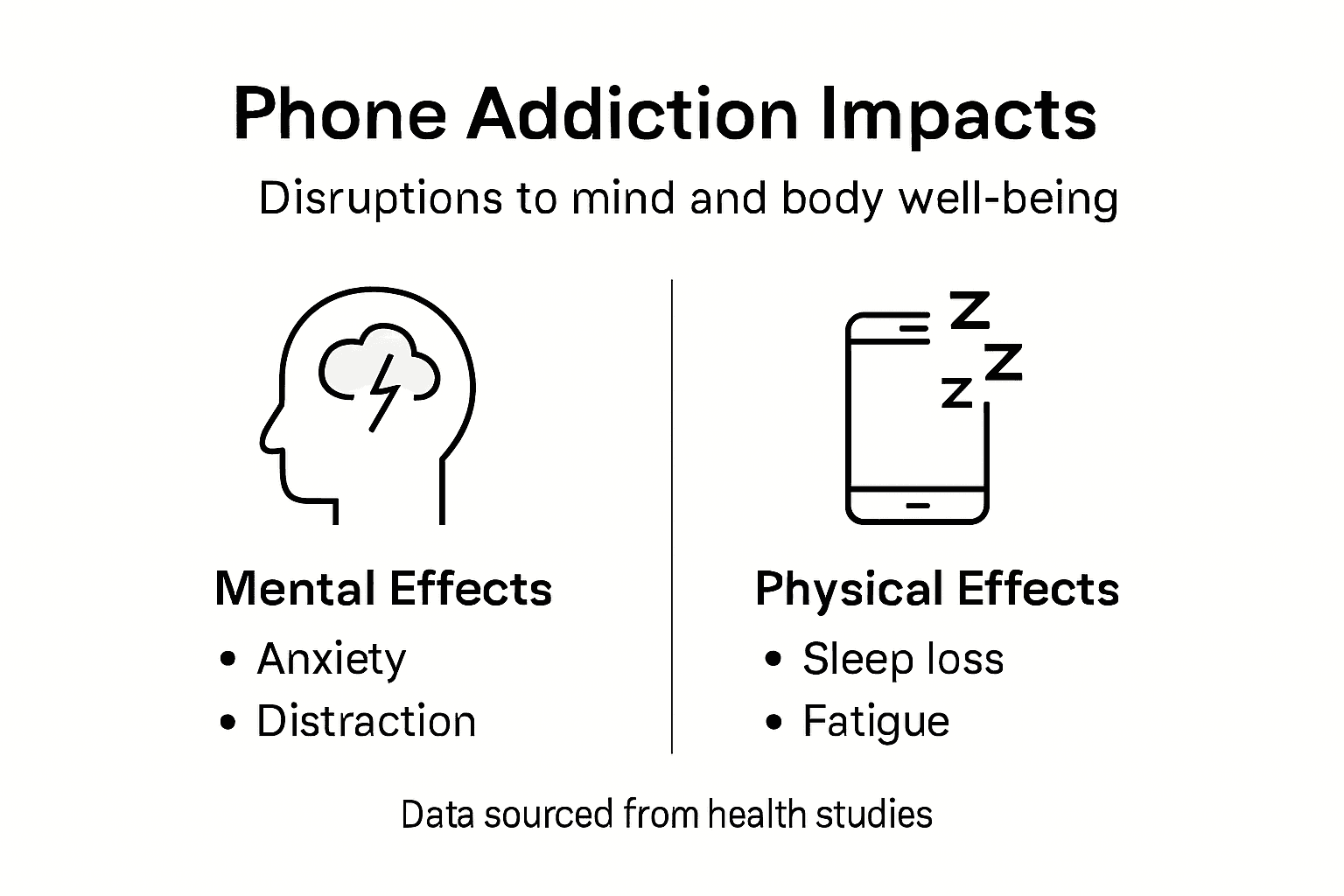
The mental health consequences of phone addiction manifest through multiple interconnected domains:
- Cognitive Function Disruption
- Reduced attention span
- Impaired memory processing
- Decreased critical thinking skills
- Emotional Regulation Challenges
- Increased anxiety levels
- Heightened emotional volatility
- Diminished stress management capabilities
Smartphone dependence impacts overall well-being through multifaceted mechanisms that extend beyond simple psychological disturbances. The continuous digital engagement triggers complex neurochemical responses, creating a feedback loop of compulsive behavior and emotional dysregulation.
Physical manifestations of phone addiction are equally concerning. Prolonged device usage leads to significant bodily stress, including:
1. Musculoskeletal strain from poor posture
2. Disrupted sleep patterns
3. Increased sedentary behavior
4. Potential vision deterioration
" Smartphone addiction represents a holistic health challenge that transcends digital interaction, fundamentally altering human neurological and physiological experiences. "
Pro tip: Implement a daily digital detox routine by creating technology-free periods that allow your mind and body to reset and recover.
Causes and Behavioral Drivers of Addiction
Psychological factors driving smartphone addiction reveal a complex interplay of emotional, cognitive, and behavioral mechanisms. University students are particularly vulnerable to developing compulsive digital behaviors due to unique psychological pressures and environmental influences.
Key psychological contributors to phone addiction include:
- Emotional Vulnerability Factors
- Low self-esteem
- Social anxiety
- Fear of missing out (FOMO)
- Academic burnout
- Cognitive Dysfunction Indicators
- Impaired self-control
- Procrastination tendencies
- Reduced impulse regulation
- Difficulty managing digital stimulation
Neurobiological mechanisms underlying mobile addiction demonstrate that smartphone dependency extends beyond simple behavioral patterns. The brain's reward systems, particularly dopamine pathways, play a critical role in reinforcing compulsive digital engagement.
Environmental and genetic factors further complicate addiction development. Some individuals possess inherent neurological predispositions that make them more susceptible to developing smartphone dependency, with external stressors acting as potential catalysts for addictive behaviors.
Primary Behavioral Drivers include:
1. Emotional compensation mechanisms
2. Social isolation coping strategies
3. Instant gratification seeking
4. Neurochemical reward anticipation
" Smartphone addiction represents a multifaceted psychological phenomenon emerging from intricate interactions between personal vulnerabilities and technological environments. "
Pro tip: Conduct a weekly self-assessment of your digital habits to identify potential addiction triggers and develop proactive intervention strategies.
Risks, Impacts, and Health Consequences
Excessive smartphone use demonstrates significant health risks that extend far beyond simple digital interaction. These risks manifest across multiple dimensions of personal well-being, creating complex challenges for individuals struggling with digital dependency.
Physical health consequences include:
- Musculoskeletal Problems
- Neck and shoulder strain
- Repetitive stress injuries
- Chronic postural dysfunction
- Decreased physical mobility
- Physiological Disruptions
- Compromised sleep patterns
- Reduced metabolic efficiency
- Potential vision deterioration
- Increased sedentary behavior
Smartphone dependence compromises overall health functioning through intricate psychological and neurological mechanisms. Mental health impacts are particularly pronounced, with clear correlations between excessive digital engagement and increased vulnerability to emotional disorders.
The psychological ramifications of smartphone addiction are profound and multifaceted. Individuals experiencing compulsive digital behaviors often encounter:
1. Heightened anxiety levels
2. Increased depressive symptoms
3. Reduced emotional regulation
4. Diminished interpersonal connection
" Smartphone addiction represents a holistic health challenge that fundamentally disrupts an individual's psychological and physiological equilibrium. "
Pro tip: Implement a structured digital wellness plan that includes regular screen time audits and intentional disconnection periods.
Practical Ways to Break Phone Addiction
Multi-component interventions demonstrate promising results in addressing smartphone dependency, combining psychological strategies with practical behavioral modifications. Breaking phone addiction requires a holistic approach that targets both psychological triggers and environmental influences.
Effective strategies for reducing phone addiction include:
- Psychological Interventions
- Cognitive behavioral therapy
- Mindfulness meditation
- Stress management techniques
- Emotional regulation training
- Behavioral Modification Techniques
- Setting strict screen time limits
- Creating device-free zones
- Using app blocking technologies
- Establishing alternative leisure activities
Exercise interventions show significant potential in combating smartphone addiction. Physical activity not only provides alternative stimulation but also helps reset neurochemical reward systems that drive compulsive digital behaviors.
Comprehensive addiction reduction strategies should incorporate multiple approaches:
1. Conduct a personal digital usage audit
2. Implement gradual reduction techniques
3. Replace digital interactions with meaningful activities
4. Develop supportive social environments
" Breaking phone addiction is a progressive journey requiring consistent effort, self-awareness, and strategic behavioral interventions. "
Pro tip: Create a structured weekly plan that progressively reduces screen time while introducing alternative engaging activities.
Take Control of Your Digital Life and Break Free from Phone Addiction
The article reveals how phone addiction creates deep psychological dependencies that disrupt your focus, emotional balance, and physical health. If you are struggling with compulsive smartphone use that impacts your well-being or relationships, it is critical to find practical solutions that interrupt those autopilot behaviors. Concepts such as emotional regulation challenges and impaired cognitive function highlight the urgent need for **effective, tangible tools** that can help you regain control.
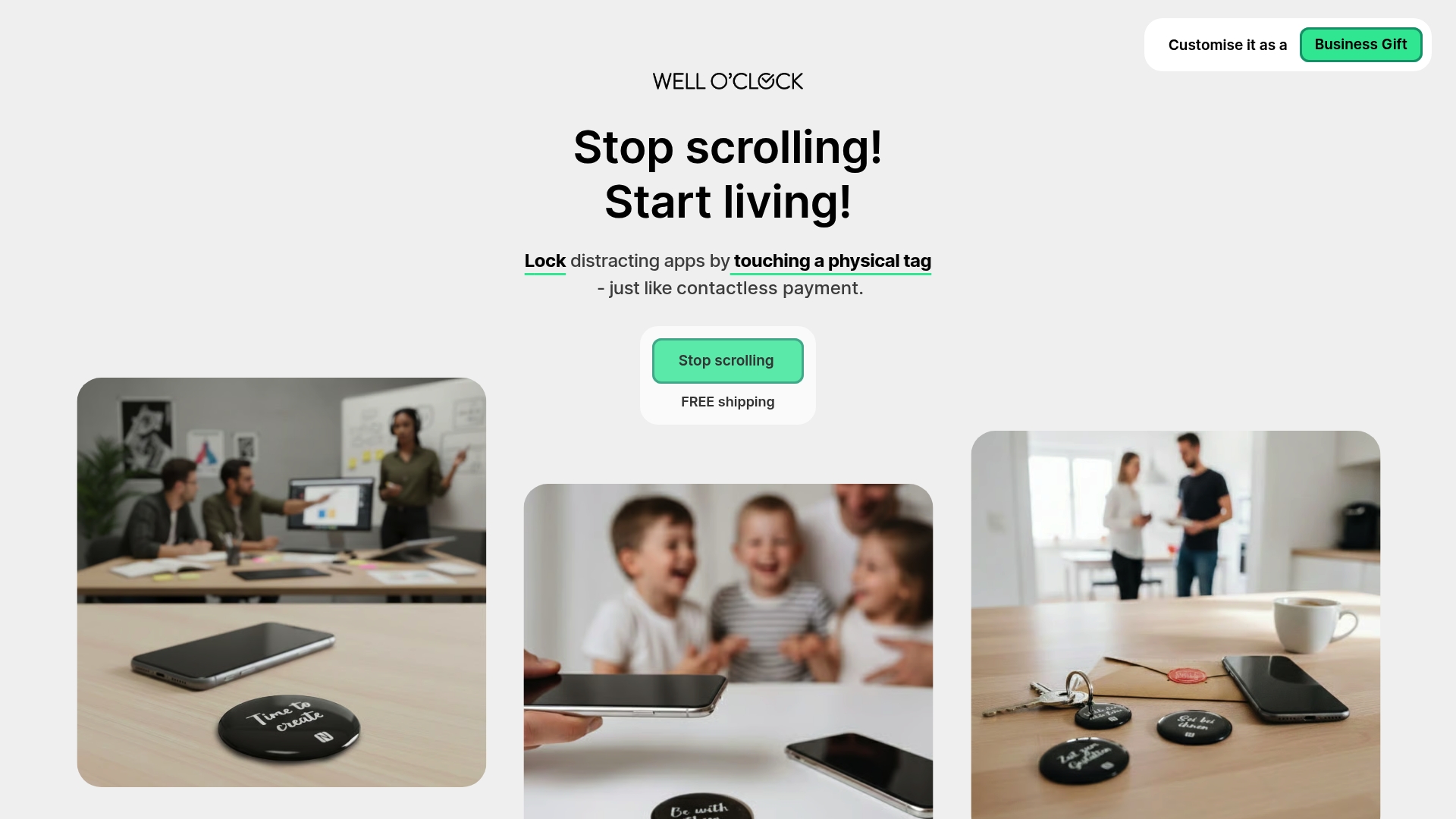
Discover how Well O’Clock offers a unique approach combining physical NFC tags with an intuitive mobile app to physically break your cycle of phone overuse. This system lets you lock distracting apps with a simple tap on a tag, creating an outside-the-phone barrier to improve mental clarity, reduce anxiety, and protect your sleep. Start transforming your digital habits now to reclaim focus and build healthier routines by visiting Well O’Clock and exploring our innovative strategies to reduce screen time and enhance your well-being.
Frequently Asked Questions
What are the signs of smartphone addiction?
Signs of smartphone addiction include persistent preoccupation with smartphone activities, failed attempts to reduce usage, reliance on smartphones for emotional regulation, and significant anxiety when disconnected.
How does phone addiction affect mental health?
Phone addiction can lead to cognitive disruptions, emotional regulation challenges, heightened anxiety, and increased depressive symptoms, compromising overall mental well-being.
What are effective strategies to break phone addiction?
Effective strategies include setting strict screen time limits, creating device-free zones, employing app blocking technologies, practicing mindfulness techniques, and engaging in regular physical activity.
Can smartphone usage impact physical health?
Yes, excessive smartphone use can result in musculoskeletal problems, disrupted sleep patterns, decreased physical mobility, and potential vision issues due to prolonged screen time.

Mak Kordić
Co founder
Mak Kordić is the founder and CEO of CNJ Digital, an agency based in Ljubljana, where he and his team develop UX/UI and digital products for demanding B2B projects. Over his career, he has led and co-created hundreds of digital solutions and worked with international clients.








Phone Addiction – How It Disrupts Well-Being
Mak Kordić
,
February 24, 2026
Scrolling through endless notifications can feel impossible to resist, especially for health-conscious professionals navigating constant demands in major cities. Phone addiction is more than simple overuse-it is a multidimensional disorder with profound effects on mental health, attention, and daily functioning. This article helps clarify misconceptions and offers actionable guidance for breaking free from compulsive smartphone habits, empowering you to reclaim your focus and well-being.
Table of Contents
- Defining Phone Addiction And Misconceptions
- Types And Patterns Of Compulsive Phone Use
- How Phone Addiction Affects Mind And Body
- Causes And Behavioral Drivers Of Addiction
- Risks, Impacts, And Health Consequences
- Practical Ways To Break Phone Addiction
Defining Phone Addiction and Misconceptions
Smartphone addiction is a complex behavioral disorder characterized by compulsive smartphone usage that significantly disrupts an individual's daily functioning. Emerging research defines smartphone addiction as a multifaceted psychological phenomenon involving excessive digital engagement that extends beyond simple overuse.
Contrary to popular belief, phone addiction isn't just about spending excessive time on devices. It represents a profound psychological dependency marked by several critical characteristics:
- Persistent urge to check smartphone despite negative consequences
- Withdrawal symptoms when device access is restricted
- Progressive tolerance requiring increased digital stimulation
- Impaired social interactions and relationship dynamics
- Compromised professional or academic performance
Neurological Impact of smartphone addiction goes far deeper than casual scrolling. Psychological studies reveal smartphone addiction as a significant public health concern, particularly among young adults, with measurable effects on mental health and cognitive functioning.
Misconceptions about phone addiction frequently minimize its genuine psychological complexity. Many individuals incorrectly assume that excessive smartphone use is merely a matter of personal discipline or generational behavior. In reality, smartphone addiction represents a nuanced behavioral disorder involving neurochemical dependencies and complex psychological mechanisms.
Key Diagnostic Indicators include:
1. Persistent preoccupation with smartphone activities
2. Failed attempts to reduce digital consumption
3. Using smartphone as emotional regulation mechanism
4. Experiencing significant anxiety when disconnected
" Smartphone addiction transcends simple technology overuse, representing a profound psychological dependency with measurable neurological consequences. "
Pro tip: Track your actual smartphone usage time weekly and reflect on its impact on your personal and professional relationships.
Types and Patterns of Compulsive Phone Use
Problematic smartphone usage patterns reveal complex behavioral dynamics across different user demographics. University students demonstrate particularly high rates of excessive digital engagement, with research indicating prevalence rates ranging between 36.5% and 67% of smartphone users experiencing compulsive behaviors.
Smartphone usage can be categorized into distinct types that contribute differently to addictive patterns:
- Social Smartphone Use
- Social networking interactions
- Instant messaging and chatting
- Video call communications
- Process Smartphone Use
- Video streaming
- Mobile gaming
- Web browsing and content consumption
Interestingly, certain digital activities demonstrate stronger correlations with problematic smartphone engagement. Smartphone usage research indicates that activities like chatting, video calls, video watching, and music streaming are most likely to predict compulsive digital behavior.
The psychological mechanisms driving these patterns are multifaceted. Some individuals use smartphones as emotional regulation tools, while others develop dependency through continuous dopamine-triggering interactions like social media notifications, gaming achievements, or constant communication streams.
Predictive Factors of Compulsive Phone Use include:
1. Frequency of social media engagement
2. Duration of daily screen time
3. Emotional dependency on digital validation
4. Neurochemical reward mechanisms
" Smartphone addiction transcends simple technological overuse, representing a complex psychological interaction between individual vulnerability and digital stimulation. "
Pro tip: Create intentional device-free zones in your living and working spaces to naturally reduce compulsive checking behaviors.
How Phone Addiction Affects Mind and Body
Neurobiological changes from excessive smartphone use reveal profound impacts on both mental and physical health. The brain's intricate neural networks undergo significant transformation when subjected to continuous digital stimulation, creating complex psychological and physiological responses.
The mental health consequences of phone addiction manifest through multiple interconnected domains:
- Cognitive Function Disruption
- Reduced attention span
- Impaired memory processing
- Decreased critical thinking skills
- Emotional Regulation Challenges
- Increased anxiety levels
- Heightened emotional volatility
- Diminished stress management capabilities
Smartphone dependence impacts overall well-being through multifaceted mechanisms that extend beyond simple psychological disturbances. The continuous digital engagement triggers complex neurochemical responses, creating a feedback loop of compulsive behavior and emotional dysregulation.
Physical manifestations of phone addiction are equally concerning. Prolonged device usage leads to significant bodily stress, including:
1. Musculoskeletal strain from poor posture
2. Disrupted sleep patterns
3. Increased sedentary behavior
4. Potential vision deterioration
" Smartphone addiction represents a holistic health challenge that transcends digital interaction, fundamentally altering human neurological and physiological experiences. "
Pro tip: Implement a daily digital detox routine by creating technology-free periods that allow your mind and body to reset and recover.
Causes and Behavioral Drivers of Addiction
Psychological factors driving smartphone addiction reveal a complex interplay of emotional, cognitive, and behavioral mechanisms. University students are particularly vulnerable to developing compulsive digital behaviors due to unique psychological pressures and environmental influences.
Key psychological contributors to phone addiction include:
- Emotional Vulnerability Factors
- Low self-esteem
- Social anxiety
- Fear of missing out (FOMO)
- Academic burnout
- Cognitive Dysfunction Indicators
- Impaired self-control
- Procrastination tendencies
- Reduced impulse regulation
- Difficulty managing digital stimulation
Neurobiological mechanisms underlying mobile addiction demonstrate that smartphone dependency extends beyond simple behavioral patterns. The brain's reward systems, particularly dopamine pathways, play a critical role in reinforcing compulsive digital engagement.
Environmental and genetic factors further complicate addiction development. Some individuals possess inherent neurological predispositions that make them more susceptible to developing smartphone dependency, with external stressors acting as potential catalysts for addictive behaviors.
Primary Behavioral Drivers include:
1. Emotional compensation mechanisms
2. Social isolation coping strategies
3. Instant gratification seeking
4. Neurochemical reward anticipation
" Smartphone addiction represents a multifaceted psychological phenomenon emerging from intricate interactions between personal vulnerabilities and technological environments. "
Pro tip: Conduct a weekly self-assessment of your digital habits to identify potential addiction triggers and develop proactive intervention strategies.
Risks, Impacts, and Health Consequences
Excessive smartphone use demonstrates significant health risks that extend far beyond simple digital interaction. These risks manifest across multiple dimensions of personal well-being, creating complex challenges for individuals struggling with digital dependency.
Physical health consequences include:
- Musculoskeletal Problems
- Neck and shoulder strain
- Repetitive stress injuries
- Chronic postural dysfunction
- Decreased physical mobility
- Physiological Disruptions
- Compromised sleep patterns
- Reduced metabolic efficiency
- Potential vision deterioration
- Increased sedentary behavior
Smartphone dependence compromises overall health functioning through intricate psychological and neurological mechanisms. Mental health impacts are particularly pronounced, with clear correlations between excessive digital engagement and increased vulnerability to emotional disorders.
The psychological ramifications of smartphone addiction are profound and multifaceted. Individuals experiencing compulsive digital behaviors often encounter:
1. Heightened anxiety levels
2. Increased depressive symptoms
3. Reduced emotional regulation
4. Diminished interpersonal connection
" Smartphone addiction represents a holistic health challenge that fundamentally disrupts an individual's psychological and physiological equilibrium. "
Pro tip: Implement a structured digital wellness plan that includes regular screen time audits and intentional disconnection periods.
Practical Ways to Break Phone Addiction
Multi-component interventions demonstrate promising results in addressing smartphone dependency, combining psychological strategies with practical behavioral modifications. Breaking phone addiction requires a holistic approach that targets both psychological triggers and environmental influences.
Effective strategies for reducing phone addiction include:
- Psychological Interventions
- Cognitive behavioral therapy
- Mindfulness meditation
- Stress management techniques
- Emotional regulation training
- Behavioral Modification Techniques
- Setting strict screen time limits
- Creating device-free zones
- Using app blocking technologies
- Establishing alternative leisure activities
Exercise interventions show significant potential in combating smartphone addiction. Physical activity not only provides alternative stimulation but also helps reset neurochemical reward systems that drive compulsive digital behaviors.
Comprehensive addiction reduction strategies should incorporate multiple approaches:
1. Conduct a personal digital usage audit
2. Implement gradual reduction techniques
3. Replace digital interactions with meaningful activities
4. Develop supportive social environments
" Breaking phone addiction is a progressive journey requiring consistent effort, self-awareness, and strategic behavioral interventions. "
Pro tip: Create a structured weekly plan that progressively reduces screen time while introducing alternative engaging activities.
Take Control of Your Digital Life and Break Free from Phone Addiction
The article reveals how phone addiction creates deep psychological dependencies that disrupt your focus, emotional balance, and physical health. If you are struggling with compulsive smartphone use that impacts your well-being or relationships, it is critical to find practical solutions that interrupt those autopilot behaviors. Concepts such as emotional regulation challenges and impaired cognitive function highlight the urgent need for **effective, tangible tools** that can help you regain control.
Discover how Well O’Clock offers a unique approach combining physical NFC tags with an intuitive mobile app to physically break your cycle of phone overuse. This system lets you lock distracting apps with a simple tap on a tag, creating an outside-the-phone barrier to improve mental clarity, reduce anxiety, and protect your sleep. Start transforming your digital habits now to reclaim focus and build healthier routines by visiting Well O’Clock and exploring our innovative strategies to reduce screen time and enhance your well-being.
Frequently Asked Questions
What are the signs of smartphone addiction?
Signs of smartphone addiction include persistent preoccupation with smartphone activities, failed attempts to reduce usage, reliance on smartphones for emotional regulation, and significant anxiety when disconnected.
How does phone addiction affect mental health?
Phone addiction can lead to cognitive disruptions, emotional regulation challenges, heightened anxiety, and increased depressive symptoms, compromising overall mental well-being.
What are effective strategies to break phone addiction?
Effective strategies include setting strict screen time limits, creating device-free zones, employing app blocking technologies, practicing mindfulness techniques, and engaging in regular physical activity.
Can smartphone usage impact physical health?
Yes, excessive smartphone use can result in musculoskeletal problems, disrupted sleep patterns, decreased physical mobility, and potential vision issues due to prolonged screen time.
Mak Kordić
Co founder
Mak Kordić is the founder and CEO of CNJ Digital, an agency based in Ljubljana, where he and his team develop UX/UI and digital products for demanding B2B projects. Over his career, he has led and co-created hundreds of digital solutions and worked with international clients.
Phone Addiction – How It Disrupts Well-Being
Mak Kordić
,
February 24, 2026
Scrolling through endless notifications can feel impossible to resist, especially for health-conscious professionals navigating constant demands in major cities. Phone addiction is more than simple overuse-it is a multidimensional disorder with profound effects on mental health, attention, and daily functioning. This article helps clarify misconceptions and offers actionable guidance for breaking free from compulsive smartphone habits, empowering you to reclaim your focus and well-being.
Table of Contents
- Defining Phone Addiction And Misconceptions
- Types And Patterns Of Compulsive Phone Use
- How Phone Addiction Affects Mind And Body
- Causes And Behavioral Drivers Of Addiction
- Risks, Impacts, And Health Consequences
- Practical Ways To Break Phone Addiction
Defining Phone Addiction and Misconceptions
Smartphone addiction is a complex behavioral disorder characterized by compulsive smartphone usage that significantly disrupts an individual's daily functioning. Emerging research defines smartphone addiction as a multifaceted psychological phenomenon involving excessive digital engagement that extends beyond simple overuse.
Contrary to popular belief, phone addiction isn't just about spending excessive time on devices. It represents a profound psychological dependency marked by several critical characteristics:
- Persistent urge to check smartphone despite negative consequences
- Withdrawal symptoms when device access is restricted
- Progressive tolerance requiring increased digital stimulation
- Impaired social interactions and relationship dynamics
- Compromised professional or academic performance
Neurological Impact of smartphone addiction goes far deeper than casual scrolling. Psychological studies reveal smartphone addiction as a significant public health concern, particularly among young adults, with measurable effects on mental health and cognitive functioning.
Misconceptions about phone addiction frequently minimize its genuine psychological complexity. Many individuals incorrectly assume that excessive smartphone use is merely a matter of personal discipline or generational behavior. In reality, smartphone addiction represents a nuanced behavioral disorder involving neurochemical dependencies and complex psychological mechanisms.
Key Diagnostic Indicators include:
1. Persistent preoccupation with smartphone activities
2. Failed attempts to reduce digital consumption
3. Using smartphone as emotional regulation mechanism
4. Experiencing significant anxiety when disconnected
" Smartphone addiction transcends simple technology overuse, representing a profound psychological dependency with measurable neurological consequences. "
Pro tip: Track your actual smartphone usage time weekly and reflect on its impact on your personal and professional relationships.
Types and Patterns of Compulsive Phone Use
Problematic smartphone usage patterns reveal complex behavioral dynamics across different user demographics. University students demonstrate particularly high rates of excessive digital engagement, with research indicating prevalence rates ranging between 36.5% and 67% of smartphone users experiencing compulsive behaviors.
Smartphone usage can be categorized into distinct types that contribute differently to addictive patterns:
- Social Smartphone Use
- Social networking interactions
- Instant messaging and chatting
- Video call communications
- Process Smartphone Use
- Video streaming
- Mobile gaming
- Web browsing and content consumption
Interestingly, certain digital activities demonstrate stronger correlations with problematic smartphone engagement. Smartphone usage research indicates that activities like chatting, video calls, video watching, and music streaming are most likely to predict compulsive digital behavior.
The psychological mechanisms driving these patterns are multifaceted. Some individuals use smartphones as emotional regulation tools, while others develop dependency through continuous dopamine-triggering interactions like social media notifications, gaming achievements, or constant communication streams.
Predictive Factors of Compulsive Phone Use include:
1. Frequency of social media engagement
2. Duration of daily screen time
3. Emotional dependency on digital validation
4. Neurochemical reward mechanisms
" Smartphone addiction transcends simple technological overuse, representing a complex psychological interaction between individual vulnerability and digital stimulation. "
Pro tip: Create intentional device-free zones in your living and working spaces to naturally reduce compulsive checking behaviors.
How Phone Addiction Affects Mind and Body
Neurobiological changes from excessive smartphone use reveal profound impacts on both mental and physical health. The brain's intricate neural networks undergo significant transformation when subjected to continuous digital stimulation, creating complex psychological and physiological responses.
The mental health consequences of phone addiction manifest through multiple interconnected domains:
- Cognitive Function Disruption
- Reduced attention span
- Impaired memory processing
- Decreased critical thinking skills
- Emotional Regulation Challenges
- Increased anxiety levels
- Heightened emotional volatility
- Diminished stress management capabilities
Smartphone dependence impacts overall well-being through multifaceted mechanisms that extend beyond simple psychological disturbances. The continuous digital engagement triggers complex neurochemical responses, creating a feedback loop of compulsive behavior and emotional dysregulation.
Physical manifestations of phone addiction are equally concerning. Prolonged device usage leads to significant bodily stress, including:
1. Musculoskeletal strain from poor posture
2. Disrupted sleep patterns
3. Increased sedentary behavior
4. Potential vision deterioration
" Smartphone addiction represents a holistic health challenge that transcends digital interaction, fundamentally altering human neurological and physiological experiences. "
Pro tip: Implement a daily digital detox routine by creating technology-free periods that allow your mind and body to reset and recover.
Causes and Behavioral Drivers of Addiction
Psychological factors driving smartphone addiction reveal a complex interplay of emotional, cognitive, and behavioral mechanisms. University students are particularly vulnerable to developing compulsive digital behaviors due to unique psychological pressures and environmental influences.
Key psychological contributors to phone addiction include:
- Emotional Vulnerability Factors
- Low self-esteem
- Social anxiety
- Fear of missing out (FOMO)
- Academic burnout
- Cognitive Dysfunction Indicators
- Impaired self-control
- Procrastination tendencies
- Reduced impulse regulation
- Difficulty managing digital stimulation
Neurobiological mechanisms underlying mobile addiction demonstrate that smartphone dependency extends beyond simple behavioral patterns. The brain's reward systems, particularly dopamine pathways, play a critical role in reinforcing compulsive digital engagement.
Environmental and genetic factors further complicate addiction development. Some individuals possess inherent neurological predispositions that make them more susceptible to developing smartphone dependency, with external stressors acting as potential catalysts for addictive behaviors.
Primary Behavioral Drivers include:
1. Emotional compensation mechanisms
2. Social isolation coping strategies
3. Instant gratification seeking
4. Neurochemical reward anticipation
" Smartphone addiction represents a multifaceted psychological phenomenon emerging from intricate interactions between personal vulnerabilities and technological environments. "
Pro tip: Conduct a weekly self-assessment of your digital habits to identify potential addiction triggers and develop proactive intervention strategies.
Risks, Impacts, and Health Consequences
Excessive smartphone use demonstrates significant health risks that extend far beyond simple digital interaction. These risks manifest across multiple dimensions of personal well-being, creating complex challenges for individuals struggling with digital dependency.
Physical health consequences include:
- Musculoskeletal Problems
- Neck and shoulder strain
- Repetitive stress injuries
- Chronic postural dysfunction
- Decreased physical mobility
- Physiological Disruptions
- Compromised sleep patterns
- Reduced metabolic efficiency
- Potential vision deterioration
- Increased sedentary behavior
Smartphone dependence compromises overall health functioning through intricate psychological and neurological mechanisms. Mental health impacts are particularly pronounced, with clear correlations between excessive digital engagement and increased vulnerability to emotional disorders.
The psychological ramifications of smartphone addiction are profound and multifaceted. Individuals experiencing compulsive digital behaviors often encounter:
1. Heightened anxiety levels
2. Increased depressive symptoms
3. Reduced emotional regulation
4. Diminished interpersonal connection
" Smartphone addiction represents a holistic health challenge that fundamentally disrupts an individual's psychological and physiological equilibrium. "
Pro tip: Implement a structured digital wellness plan that includes regular screen time audits and intentional disconnection periods.
Practical Ways to Break Phone Addiction
Multi-component interventions demonstrate promising results in addressing smartphone dependency, combining psychological strategies with practical behavioral modifications. Breaking phone addiction requires a holistic approach that targets both psychological triggers and environmental influences.
Effective strategies for reducing phone addiction include:
- Psychological Interventions
- Cognitive behavioral therapy
- Mindfulness meditation
- Stress management techniques
- Emotional regulation training
- Behavioral Modification Techniques
- Setting strict screen time limits
- Creating device-free zones
- Using app blocking technologies
- Establishing alternative leisure activities
Exercise interventions show significant potential in combating smartphone addiction. Physical activity not only provides alternative stimulation but also helps reset neurochemical reward systems that drive compulsive digital behaviors.
Comprehensive addiction reduction strategies should incorporate multiple approaches:
1. Conduct a personal digital usage audit
2. Implement gradual reduction techniques
3. Replace digital interactions with meaningful activities
4. Develop supportive social environments
" Breaking phone addiction is a progressive journey requiring consistent effort, self-awareness, and strategic behavioral interventions. "
Pro tip: Create a structured weekly plan that progressively reduces screen time while introducing alternative engaging activities.
Take Control of Your Digital Life and Break Free from Phone Addiction
The article reveals how phone addiction creates deep psychological dependencies that disrupt your focus, emotional balance, and physical health. If you are struggling with compulsive smartphone use that impacts your well-being or relationships, it is critical to find practical solutions that interrupt those autopilot behaviors. Concepts such as emotional regulation challenges and impaired cognitive function highlight the urgent need for **effective, tangible tools** that can help you regain control.
Discover how Well O’Clock offers a unique approach combining physical NFC tags with an intuitive mobile app to physically break your cycle of phone overuse. This system lets you lock distracting apps with a simple tap on a tag, creating an outside-the-phone barrier to improve mental clarity, reduce anxiety, and protect your sleep. Start transforming your digital habits now to reclaim focus and build healthier routines by visiting Well O’Clock and exploring our innovative strategies to reduce screen time and enhance your well-being.
Frequently Asked Questions
What are the signs of smartphone addiction?
Signs of smartphone addiction include persistent preoccupation with smartphone activities, failed attempts to reduce usage, reliance on smartphones for emotional regulation, and significant anxiety when disconnected.
How does phone addiction affect mental health?
Phone addiction can lead to cognitive disruptions, emotional regulation challenges, heightened anxiety, and increased depressive symptoms, compromising overall mental well-being.
What are effective strategies to break phone addiction?
Effective strategies include setting strict screen time limits, creating device-free zones, employing app blocking technologies, practicing mindfulness techniques, and engaging in regular physical activity.
Can smartphone usage impact physical health?
Yes, excessive smartphone use can result in musculoskeletal problems, disrupted sleep patterns, decreased physical mobility, and potential vision issues due to prolonged screen time.
Mak Kordić
Co founder
Mak Kordić is the founder and CEO of CNJ Digital, an agency based in Ljubljana, where he and his team develop UX/UI and digital products for demanding B2B projects. Over his career, he has led and co-created hundreds of digital solutions and worked with international clients.