
Smart Workflow for Healthy Phone Use: Step-by-Step Guide
Mak Kordić
,
February 17, 2026

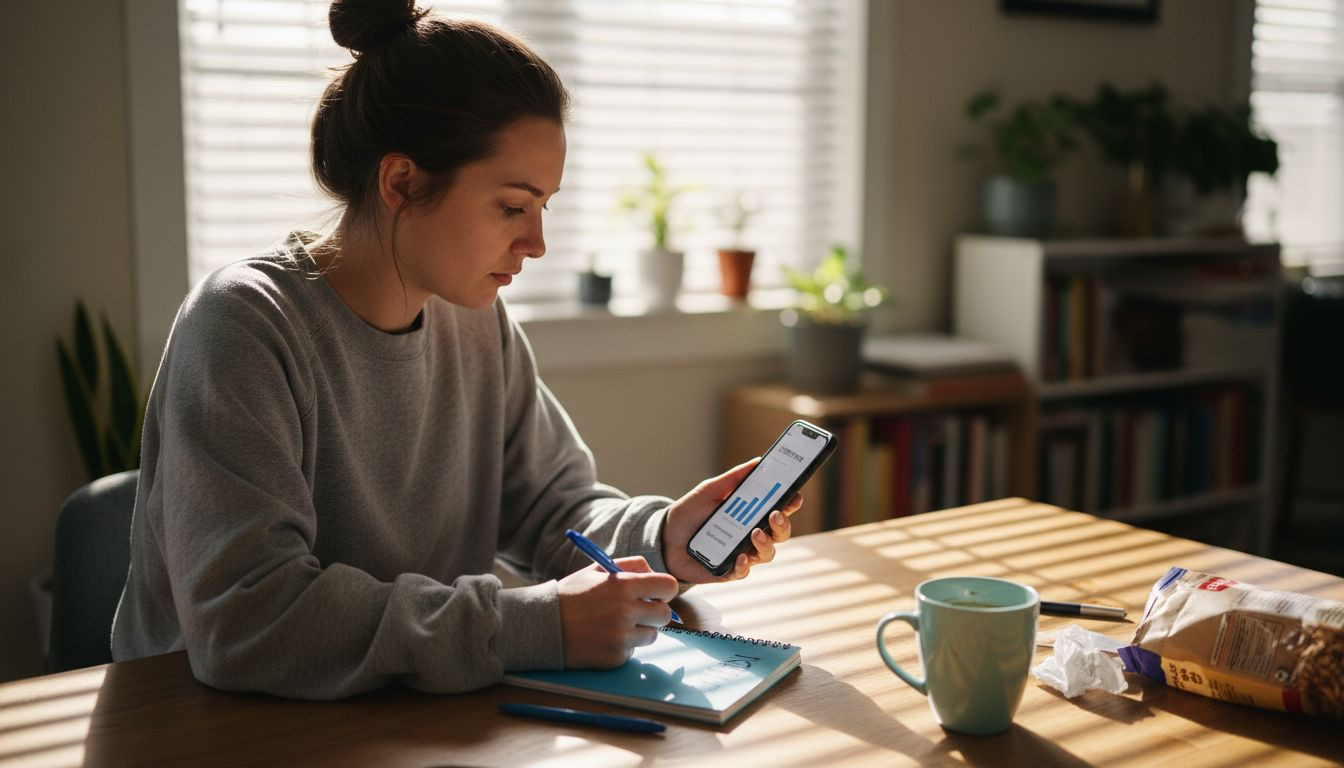
Long workdays and constant notifications can leave even the most driven professionals feeling mentally drained. Reconciling heavy workloads with a desire for better well-being often starts by reassessing personal habits with technology. Building self-awareness around digital consumption is proven to support healthier change, especially for those juggling demanding city lifestyles. Discover practical steps—like tracking your usage, integrating tech-based solutions, and nurturing mindfulness—to regain balance and redefine your relationship with your smartphone.
Table of Contents
- Step 1: Assess Your Current Phone Habits
- Step 2: Set Up NFC Tags And The Companion App
- Step 3: Customize App Blocks And Tag Routines
- Step 4: Integrate Mindful Usage Into Daily Life
- Step 5: Track Progress And Optimize Your Setup
Step 1: Assess your current phone habits
Understanding your smartphone usage is the critical first step toward developing a healthier digital lifestyle. Researchers have consistently shown that self-awareness is key to modifying behavior, particularly when it comes to technology consumption.
To thoroughly assess your current phone habits, start by gathering objective data about your digital interactions. Most smartphones now include built-in screen time tracking features that provide detailed insights into your daily usage patterns. Smartphone use among students reveals complex behavioral patterns that require careful personal evaluation.
Here are specific strategies to help you analyze your phone habits:
- Track your total daily screen time
- Identify your most-used applications
- Note peak usage times during the day
- Categorize time spent (communication, entertainment, work, social media)
- Record frequency of phone checks per hour
Carefully document these metrics for at least one week to establish a comprehensive baseline. Be honest with yourself about your observations. The goal is not to judge but to understand your current digital behavior patterns.
" Awareness is the first step toward meaningful change in your digital consumption habits. "
Pro tip: Use a dedicated notebook or digital spreadsheet to track your phone usage consistently, creating a clear record of your digital behavior patterns.
Step 2: Set up NFC tags and the companion app
Establishing your Well O'Clock system requires carefully configuring both the physical NFC tags and the companion smartphone application. This step transforms your digital wellness strategy from concept to practical implementation.
To begin, programming NFC tags involves several precise technical steps. You'll need to gather your NFC tags, ensure your smartphone is NFC-compatible, and download the Well O'Clock companion app from your device's app store.
Here are the key steps for setup:
1. Verify your smartphone supports NFC technology
2. Download the Well O'Clock app
3. Create your personal account
4. Enable NFC in your phone's settings
5. Place tags in strategic locations
Each NFC tag acts as a physical intervention point to interrupt your automatic digital scrolling. Strategic placement is crucial - consider locations like your workspace, bedroom nightstand, or living room where mindless phone use typically occurs.
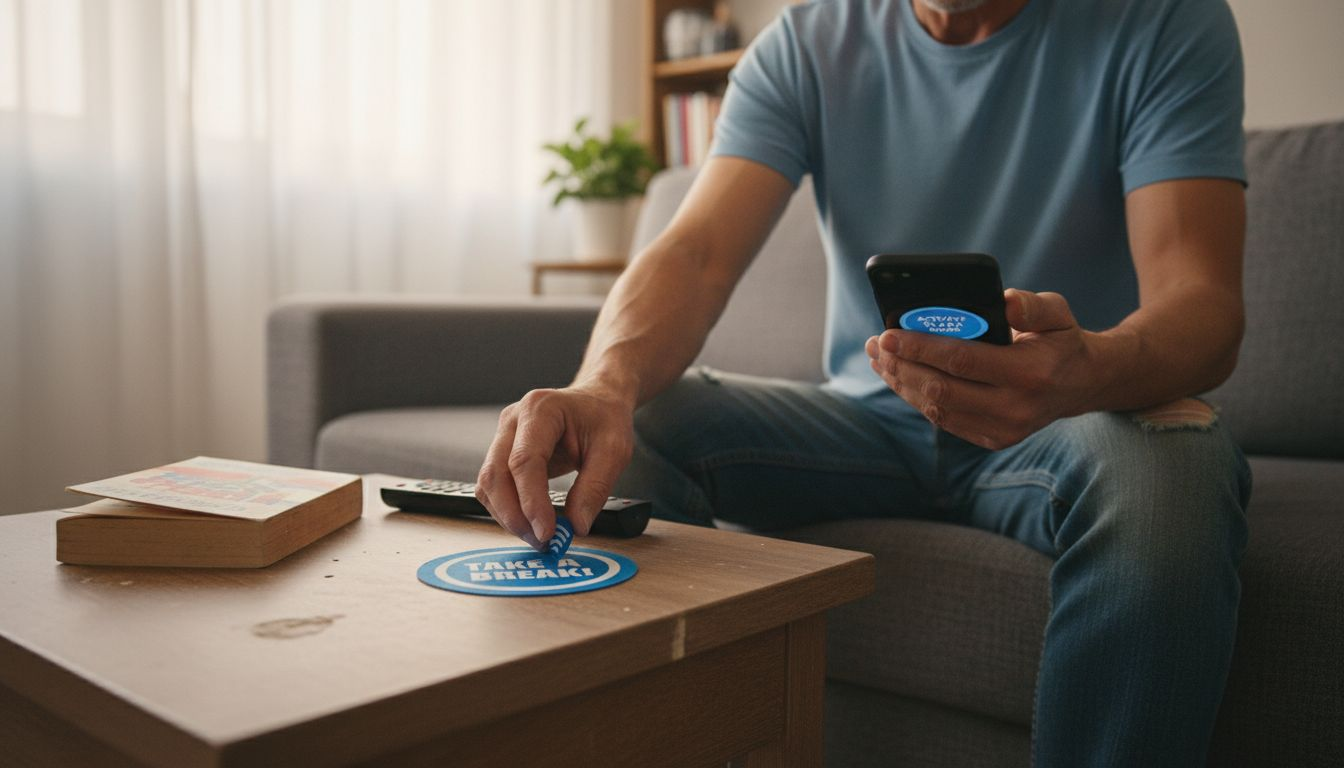
" NFC tags transform your physical environment into an active tool for digital wellness management. "
Pro tip: Label your NFC tags with short motivational phrases or specific usage goals to reinforce your digital wellness intentions.
Step 3: Customize app blocks and tag routines
Personalizing your digital wellness system involves creating intelligent app blocks and NFC tag routines that match your specific lifestyle and productivity goals. This step transforms your Well O'Clock setup from a generic tool into a tailored digital intervention strategy.
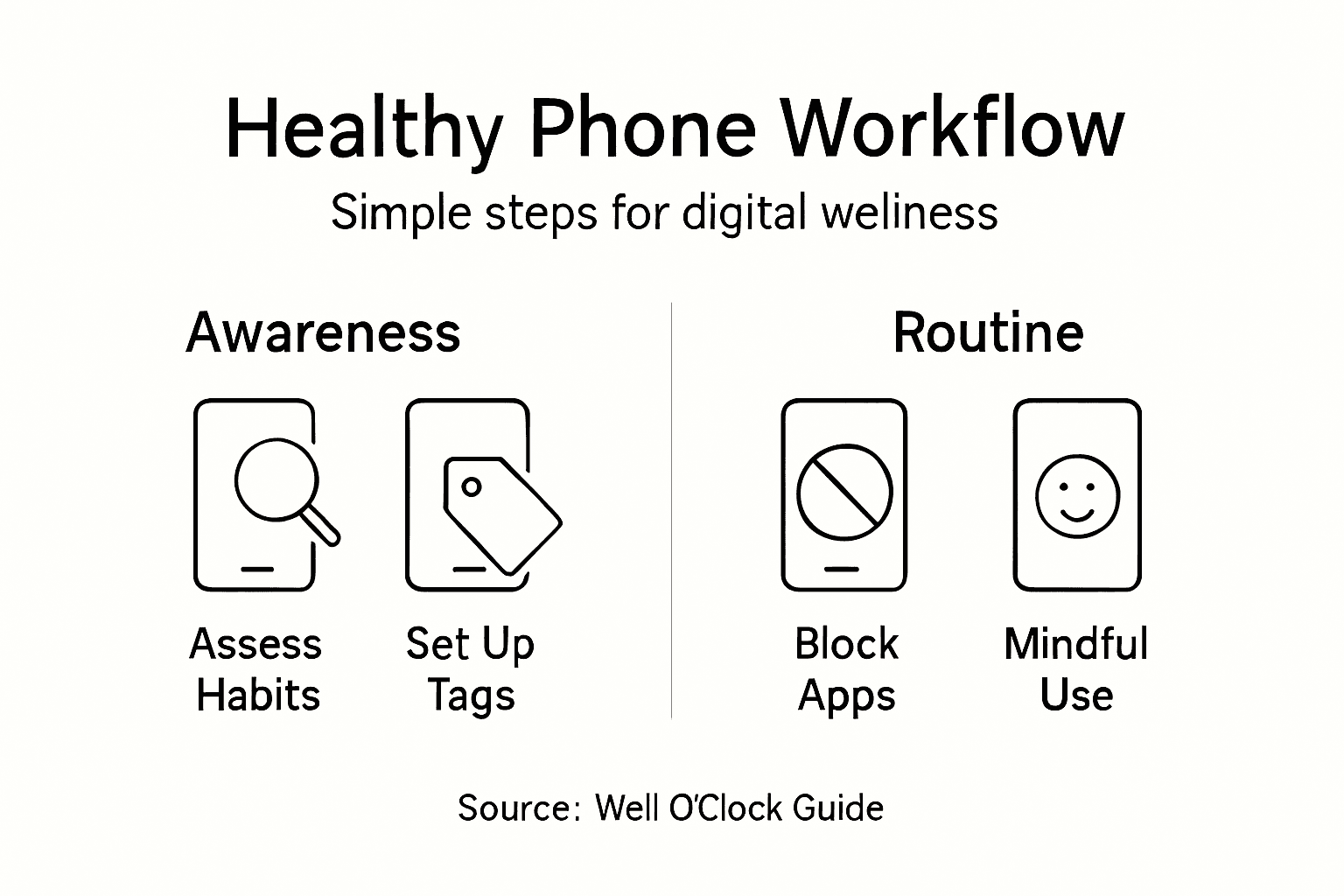
You can now customize NFC tag automation by setting up specific triggers and actions for each tagged location. Think of these tags as smart switches that interrupt your typical digital consumption patterns and redirect your attention.
Here are key strategies for customizing your app blocks and tag routines:
- Identify your most distracting applications
- Set time-based restrictions for each app
- Create location-specific blocking rules
- Design different routines for work and personal tags
- Configure gradual reduction settings for high-usage apps
Consider creating multiple tag profiles that correspond to different environments. A workspace tag might completely block social media, while a home tag could allow limited recreational use with strict time constraints.
" Digital wellness is about intelligent intervention, not total elimination of technology. "
Pro tip: Experiment with different routine configurations and track your productivity to find the most effective personal digital management strategy.
Step 4: Integrate mindful usage into daily life
Transitioning from reactive smartphone consumption to intentional digital interaction requires developing consistent mindfulness practices that reshape your relationship with technology. This step focuses on transforming your smartphone from a constant distraction to a purposeful tool that supports your personal and professional growth.
Smartphone use and mindfulness research demonstrates that conscious technology engagement can significantly improve mental well-being and reduce compulsive digital behaviors. By implementing strategic awareness techniques, you can interrupt automatic scrolling and create more meaningful interactions.
Here are practical strategies for integrating mindful smartphone usage:
- Practice intentional pausing before unlocking your phone
- Set clear purposes for each device interaction
- Use breathing techniques during digital transitions
- Regularly perform digital self-checks
- Develop awareness of emotional triggers for smartphone use
Mindful usage isn't about complete digital abstinence but about creating a balanced, intentional relationship with technology. Start by introducing small moments of conscious awareness during your typical digital routines, gradually building more deliberate technology interactions.
" Mindfulness transforms technology from a master to a useful companion. "
Pro tip: Create a personal mantra or quick mental checklist to use before engaging with your smartphone, helping you stay present and purposeful.
Step 5: Track progress and optimize your setup
Maximizing the effectiveness of your digital wellness journey requires consistent monitoring and strategic adjustments to your Well O'Clock system. This final step transforms your initial setup into a dynamic, personalized tool that adapts to your evolving lifestyle and productivity needs.
Health app tracking trends demonstrate the powerful role of analytics in maintaining sustained behavioral changes. By implementing systematic progress tracking, you can gain insights into your digital consumption patterns and make informed decisions about your smartphone use.
Here are key strategies for tracking and optimizing your digital wellness setup:
- Review your weekly app usage statistics
- Identify patterns of digital distraction
- Adjust NFC tag and app block configurations
- Set progressive reduction goals
- Celebrate measurable improvements in your digital habits
Think of this process as continuous refinement. Your digital wellness system should be flexible, allowing you to modify settings as you develop stronger self-regulation skills and gain deeper understanding of your technology interactions.
" Progress is not about perfection, but consistent incremental improvement. "
Pro tip: Schedule a monthly self-review session to analyze your digital wellness metrics and recalibrate your strategies accordingly.
Take Control of Your Digital Habits with Well O'Clock
If you find yourself struggling with mindless phone scrolling and want to build healthier tech routines as outlined in the Smart Workflow for Healthy Phone Use guide then Well O'Clock offers a practical solution designed just for you. By combining physical NFC tags with an intelligent mobile app you can interrupt automatic phone use and regain focus and mental clarity without relying solely on willpower. Our system helps you customize app blocks and set mindful boundaries that fit your lifestyle and work environment.
Ready to move beyond awareness and truly transform your phone habits? Start your journey today with Well O'Clock to experience a hands-on approach to digital wellness. Learn how to set up your personal NFC tags, tailor your routines, and track your progress all in one user-friendly platform designed for real behavioral change. Visit the Well O'Clock homepage and take the first step to a healthier digital life now.
Frequently Asked Questions
How can I assess my current phone habits?
To assess your current phone habits, use your phone’s built-in screen time tracking features to collect data on daily usage. Track your total screen time, identify your most-used apps, and document your phone-checking frequency over a week to establish a clear baseline.
What are NFC tags and how do I set them up for my digital wellness?
NFC tags are physical tags you can program to interrupt automatic phone usage. Set them up by ensuring your smartphone supports NFC, downloading the necessary companion app, and placing the tags in strategic locations like your workspace or bedroom to aid in reducing mindless scrolling.
How do I customize my app blocks and tag routines?
Customize your app blocks and NFC tag routines by identifying the most distracting applications and setting time restrictions for them. Experiment with different tags for various environments, allowing specific apps only during designated times to enhance focus and productivity.
What are some mindful usage strategies I can integrate into my daily life?
Integrate mindful usage strategies by practicing intentional pauses before accessing your phone and setting clear purposes for each use. Use techniques like breathing exercises during transitions to reinforce a more conscious and deliberate relationship with your device.
How can I track my progress and optimize my digital wellness setup?
You can track progress by reviewing weekly app usage statistics and identifying patterns of distraction. Regularly adjust your NFC tag configurations and set progressive goals to adapt your strategies as you develop better self-regulation skills, aiming for measurable improvements over time.

Mak Kordić
Co founder
Mak Kordić is the founder and CEO of CNJ Digital, an agency based in Ljubljana, where he and his team develop UX/UI and digital products for demanding B2B projects. Over his career, he has led and co-created hundreds of digital solutions and worked with international clients.







Smart Workflow for Healthy Phone Use: Step-by-Step Guide
Mak Kordić
,
February 17, 2026
Long workdays and constant notifications can leave even the most driven professionals feeling mentally drained. Reconciling heavy workloads with a desire for better well-being often starts by reassessing personal habits with technology. Building self-awareness around digital consumption is proven to support healthier change, especially for those juggling demanding city lifestyles. Discover practical steps—like tracking your usage, integrating tech-based solutions, and nurturing mindfulness—to regain balance and redefine your relationship with your smartphone.
Table of Contents
- Step 1: Assess Your Current Phone Habits
- Step 2: Set Up NFC Tags And The Companion App
- Step 3: Customize App Blocks And Tag Routines
- Step 4: Integrate Mindful Usage Into Daily Life
- Step 5: Track Progress And Optimize Your Setup
Step 1: Assess your current phone habits
Understanding your smartphone usage is the critical first step toward developing a healthier digital lifestyle. Researchers have consistently shown that self-awareness is key to modifying behavior, particularly when it comes to technology consumption.
To thoroughly assess your current phone habits, start by gathering objective data about your digital interactions. Most smartphones now include built-in screen time tracking features that provide detailed insights into your daily usage patterns. Smartphone use among students reveals complex behavioral patterns that require careful personal evaluation.
Here are specific strategies to help you analyze your phone habits:
- Track your total daily screen time
- Identify your most-used applications
- Note peak usage times during the day
- Categorize time spent (communication, entertainment, work, social media)
- Record frequency of phone checks per hour
Carefully document these metrics for at least one week to establish a comprehensive baseline. Be honest with yourself about your observations. The goal is not to judge but to understand your current digital behavior patterns.
" Awareness is the first step toward meaningful change in your digital consumption habits. "
Pro tip: Use a dedicated notebook or digital spreadsheet to track your phone usage consistently, creating a clear record of your digital behavior patterns.
Step 2: Set up NFC tags and the companion app
Establishing your Well O'Clock system requires carefully configuring both the physical NFC tags and the companion smartphone application. This step transforms your digital wellness strategy from concept to practical implementation.
To begin, programming NFC tags involves several precise technical steps. You'll need to gather your NFC tags, ensure your smartphone is NFC-compatible, and download the Well O'Clock companion app from your device's app store.
Here are the key steps for setup:
1. Verify your smartphone supports NFC technology
2. Download the Well O'Clock app
3. Create your personal account
4. Enable NFC in your phone's settings
5. Place tags in strategic locations
Each NFC tag acts as a physical intervention point to interrupt your automatic digital scrolling. Strategic placement is crucial - consider locations like your workspace, bedroom nightstand, or living room where mindless phone use typically occurs.
" NFC tags transform your physical environment into an active tool for digital wellness management. "
Pro tip: Label your NFC tags with short motivational phrases or specific usage goals to reinforce your digital wellness intentions.
Step 3: Customize app blocks and tag routines
Personalizing your digital wellness system involves creating intelligent app blocks and NFC tag routines that match your specific lifestyle and productivity goals. This step transforms your Well O'Clock setup from a generic tool into a tailored digital intervention strategy.
You can now customize NFC tag automation by setting up specific triggers and actions for each tagged location. Think of these tags as smart switches that interrupt your typical digital consumption patterns and redirect your attention.
Here are key strategies for customizing your app blocks and tag routines:
- Identify your most distracting applications
- Set time-based restrictions for each app
- Create location-specific blocking rules
- Design different routines for work and personal tags
- Configure gradual reduction settings for high-usage apps
Consider creating multiple tag profiles that correspond to different environments. A workspace tag might completely block social media, while a home tag could allow limited recreational use with strict time constraints.
" Digital wellness is about intelligent intervention, not total elimination of technology. "
Pro tip: Experiment with different routine configurations and track your productivity to find the most effective personal digital management strategy.
Step 4: Integrate mindful usage into daily life
Transitioning from reactive smartphone consumption to intentional digital interaction requires developing consistent mindfulness practices that reshape your relationship with technology. This step focuses on transforming your smartphone from a constant distraction to a purposeful tool that supports your personal and professional growth.
Smartphone use and mindfulness research demonstrates that conscious technology engagement can significantly improve mental well-being and reduce compulsive digital behaviors. By implementing strategic awareness techniques, you can interrupt automatic scrolling and create more meaningful interactions.
Here are practical strategies for integrating mindful smartphone usage:
- Practice intentional pausing before unlocking your phone
- Set clear purposes for each device interaction
- Use breathing techniques during digital transitions
- Regularly perform digital self-checks
- Develop awareness of emotional triggers for smartphone use
Mindful usage isn't about complete digital abstinence but about creating a balanced, intentional relationship with technology. Start by introducing small moments of conscious awareness during your typical digital routines, gradually building more deliberate technology interactions.
" Mindfulness transforms technology from a master to a useful companion. "
Pro tip: Create a personal mantra or quick mental checklist to use before engaging with your smartphone, helping you stay present and purposeful.
Step 5: Track progress and optimize your setup
Maximizing the effectiveness of your digital wellness journey requires consistent monitoring and strategic adjustments to your Well O'Clock system. This final step transforms your initial setup into a dynamic, personalized tool that adapts to your evolving lifestyle and productivity needs.
Health app tracking trends demonstrate the powerful role of analytics in maintaining sustained behavioral changes. By implementing systematic progress tracking, you can gain insights into your digital consumption patterns and make informed decisions about your smartphone use.
Here are key strategies for tracking and optimizing your digital wellness setup:
- Review your weekly app usage statistics
- Identify patterns of digital distraction
- Adjust NFC tag and app block configurations
- Set progressive reduction goals
- Celebrate measurable improvements in your digital habits
Think of this process as continuous refinement. Your digital wellness system should be flexible, allowing you to modify settings as you develop stronger self-regulation skills and gain deeper understanding of your technology interactions.
" Progress is not about perfection, but consistent incremental improvement. "
Pro tip: Schedule a monthly self-review session to analyze your digital wellness metrics and recalibrate your strategies accordingly.
Take Control of Your Digital Habits with Well O'Clock
If you find yourself struggling with mindless phone scrolling and want to build healthier tech routines as outlined in the Smart Workflow for Healthy Phone Use guide then Well O'Clock offers a practical solution designed just for you. By combining physical NFC tags with an intelligent mobile app you can interrupt automatic phone use and regain focus and mental clarity without relying solely on willpower. Our system helps you customize app blocks and set mindful boundaries that fit your lifestyle and work environment.
Ready to move beyond awareness and truly transform your phone habits? Start your journey today with Well O'Clock to experience a hands-on approach to digital wellness. Learn how to set up your personal NFC tags, tailor your routines, and track your progress all in one user-friendly platform designed for real behavioral change. Visit the Well O'Clock homepage and take the first step to a healthier digital life now.
Frequently Asked Questions
How can I assess my current phone habits?
To assess your current phone habits, use your phone’s built-in screen time tracking features to collect data on daily usage. Track your total screen time, identify your most-used apps, and document your phone-checking frequency over a week to establish a clear baseline.
What are NFC tags and how do I set them up for my digital wellness?
NFC tags are physical tags you can program to interrupt automatic phone usage. Set them up by ensuring your smartphone supports NFC, downloading the necessary companion app, and placing the tags in strategic locations like your workspace or bedroom to aid in reducing mindless scrolling.
How do I customize my app blocks and tag routines?
Customize your app blocks and NFC tag routines by identifying the most distracting applications and setting time restrictions for them. Experiment with different tags for various environments, allowing specific apps only during designated times to enhance focus and productivity.
What are some mindful usage strategies I can integrate into my daily life?
Integrate mindful usage strategies by practicing intentional pauses before accessing your phone and setting clear purposes for each use. Use techniques like breathing exercises during transitions to reinforce a more conscious and deliberate relationship with your device.
How can I track my progress and optimize my digital wellness setup?
You can track progress by reviewing weekly app usage statistics and identifying patterns of distraction. Regularly adjust your NFC tag configurations and set progressive goals to adapt your strategies as you develop better self-regulation skills, aiming for measurable improvements over time.
Mak Kordić
Co founder
Mak Kordić is the founder and CEO of CNJ Digital, an agency based in Ljubljana, where he and his team develop UX/UI and digital products for demanding B2B projects. Over his career, he has led and co-created hundreds of digital solutions and worked with international clients.
Smart Workflow for Healthy Phone Use: Step-by-Step Guide
Mak Kordić
,
February 17, 2026
Long workdays and constant notifications can leave even the most driven professionals feeling mentally drained. Reconciling heavy workloads with a desire for better well-being often starts by reassessing personal habits with technology. Building self-awareness around digital consumption is proven to support healthier change, especially for those juggling demanding city lifestyles. Discover practical steps—like tracking your usage, integrating tech-based solutions, and nurturing mindfulness—to regain balance and redefine your relationship with your smartphone.
Table of Contents
- Step 1: Assess Your Current Phone Habits
- Step 2: Set Up NFC Tags And The Companion App
- Step 3: Customize App Blocks And Tag Routines
- Step 4: Integrate Mindful Usage Into Daily Life
- Step 5: Track Progress And Optimize Your Setup
Step 1: Assess your current phone habits
Understanding your smartphone usage is the critical first step toward developing a healthier digital lifestyle. Researchers have consistently shown that self-awareness is key to modifying behavior, particularly when it comes to technology consumption.
To thoroughly assess your current phone habits, start by gathering objective data about your digital interactions. Most smartphones now include built-in screen time tracking features that provide detailed insights into your daily usage patterns. Smartphone use among students reveals complex behavioral patterns that require careful personal evaluation.
Here are specific strategies to help you analyze your phone habits:
- Track your total daily screen time
- Identify your most-used applications
- Note peak usage times during the day
- Categorize time spent (communication, entertainment, work, social media)
- Record frequency of phone checks per hour
Carefully document these metrics for at least one week to establish a comprehensive baseline. Be honest with yourself about your observations. The goal is not to judge but to understand your current digital behavior patterns.
" Awareness is the first step toward meaningful change in your digital consumption habits. "
Pro tip: Use a dedicated notebook or digital spreadsheet to track your phone usage consistently, creating a clear record of your digital behavior patterns.
Step 2: Set up NFC tags and the companion app
Establishing your Well O'Clock system requires carefully configuring both the physical NFC tags and the companion smartphone application. This step transforms your digital wellness strategy from concept to practical implementation.
To begin, programming NFC tags involves several precise technical steps. You'll need to gather your NFC tags, ensure your smartphone is NFC-compatible, and download the Well O'Clock companion app from your device's app store.
Here are the key steps for setup:
1. Verify your smartphone supports NFC technology
2. Download the Well O'Clock app
3. Create your personal account
4. Enable NFC in your phone's settings
5. Place tags in strategic locations
Each NFC tag acts as a physical intervention point to interrupt your automatic digital scrolling. Strategic placement is crucial - consider locations like your workspace, bedroom nightstand, or living room where mindless phone use typically occurs.
" NFC tags transform your physical environment into an active tool for digital wellness management. "
Pro tip: Label your NFC tags with short motivational phrases or specific usage goals to reinforce your digital wellness intentions.
Step 3: Customize app blocks and tag routines
Personalizing your digital wellness system involves creating intelligent app blocks and NFC tag routines that match your specific lifestyle and productivity goals. This step transforms your Well O'Clock setup from a generic tool into a tailored digital intervention strategy.
You can now customize NFC tag automation by setting up specific triggers and actions for each tagged location. Think of these tags as smart switches that interrupt your typical digital consumption patterns and redirect your attention.
Here are key strategies for customizing your app blocks and tag routines:
- Identify your most distracting applications
- Set time-based restrictions for each app
- Create location-specific blocking rules
- Design different routines for work and personal tags
- Configure gradual reduction settings for high-usage apps
Consider creating multiple tag profiles that correspond to different environments. A workspace tag might completely block social media, while a home tag could allow limited recreational use with strict time constraints.
" Digital wellness is about intelligent intervention, not total elimination of technology. "
Pro tip: Experiment with different routine configurations and track your productivity to find the most effective personal digital management strategy.
Step 4: Integrate mindful usage into daily life
Transitioning from reactive smartphone consumption to intentional digital interaction requires developing consistent mindfulness practices that reshape your relationship with technology. This step focuses on transforming your smartphone from a constant distraction to a purposeful tool that supports your personal and professional growth.
Smartphone use and mindfulness research demonstrates that conscious technology engagement can significantly improve mental well-being and reduce compulsive digital behaviors. By implementing strategic awareness techniques, you can interrupt automatic scrolling and create more meaningful interactions.
Here are practical strategies for integrating mindful smartphone usage:
- Practice intentional pausing before unlocking your phone
- Set clear purposes for each device interaction
- Use breathing techniques during digital transitions
- Regularly perform digital self-checks
- Develop awareness of emotional triggers for smartphone use
Mindful usage isn't about complete digital abstinence but about creating a balanced, intentional relationship with technology. Start by introducing small moments of conscious awareness during your typical digital routines, gradually building more deliberate technology interactions.
" Mindfulness transforms technology from a master to a useful companion. "
Pro tip: Create a personal mantra or quick mental checklist to use before engaging with your smartphone, helping you stay present and purposeful.
Step 5: Track progress and optimize your setup
Maximizing the effectiveness of your digital wellness journey requires consistent monitoring and strategic adjustments to your Well O'Clock system. This final step transforms your initial setup into a dynamic, personalized tool that adapts to your evolving lifestyle and productivity needs.
Health app tracking trends demonstrate the powerful role of analytics in maintaining sustained behavioral changes. By implementing systematic progress tracking, you can gain insights into your digital consumption patterns and make informed decisions about your smartphone use.
Here are key strategies for tracking and optimizing your digital wellness setup:
- Review your weekly app usage statistics
- Identify patterns of digital distraction
- Adjust NFC tag and app block configurations
- Set progressive reduction goals
- Celebrate measurable improvements in your digital habits
Think of this process as continuous refinement. Your digital wellness system should be flexible, allowing you to modify settings as you develop stronger self-regulation skills and gain deeper understanding of your technology interactions.
" Progress is not about perfection, but consistent incremental improvement. "
Pro tip: Schedule a monthly self-review session to analyze your digital wellness metrics and recalibrate your strategies accordingly.
Take Control of Your Digital Habits with Well O'Clock
If you find yourself struggling with mindless phone scrolling and want to build healthier tech routines as outlined in the Smart Workflow for Healthy Phone Use guide then Well O'Clock offers a practical solution designed just for you. By combining physical NFC tags with an intelligent mobile app you can interrupt automatic phone use and regain focus and mental clarity without relying solely on willpower. Our system helps you customize app blocks and set mindful boundaries that fit your lifestyle and work environment.
Ready to move beyond awareness and truly transform your phone habits? Start your journey today with Well O'Clock to experience a hands-on approach to digital wellness. Learn how to set up your personal NFC tags, tailor your routines, and track your progress all in one user-friendly platform designed for real behavioral change. Visit the Well O'Clock homepage and take the first step to a healthier digital life now.
Frequently Asked Questions
How can I assess my current phone habits?
To assess your current phone habits, use your phone’s built-in screen time tracking features to collect data on daily usage. Track your total screen time, identify your most-used apps, and document your phone-checking frequency over a week to establish a clear baseline.
What are NFC tags and how do I set them up for my digital wellness?
NFC tags are physical tags you can program to interrupt automatic phone usage. Set them up by ensuring your smartphone supports NFC, downloading the necessary companion app, and placing the tags in strategic locations like your workspace or bedroom to aid in reducing mindless scrolling.
How do I customize my app blocks and tag routines?
Customize your app blocks and NFC tag routines by identifying the most distracting applications and setting time restrictions for them. Experiment with different tags for various environments, allowing specific apps only during designated times to enhance focus and productivity.
What are some mindful usage strategies I can integrate into my daily life?
Integrate mindful usage strategies by practicing intentional pauses before accessing your phone and setting clear purposes for each use. Use techniques like breathing exercises during transitions to reinforce a more conscious and deliberate relationship with your device.
How can I track my progress and optimize my digital wellness setup?
You can track progress by reviewing weekly app usage statistics and identifying patterns of distraction. Regularly adjust your NFC tag configurations and set progressive goals to adapt your strategies as you develop better self-regulation skills, aiming for measurable improvements over time.
Mak Kordić
Co founder
Mak Kordić is the founder and CEO of CNJ Digital, an agency based in Ljubljana, where he and his team develop UX/UI and digital products for demanding B2B projects. Over his career, he has led and co-created hundreds of digital solutions and worked with international clients.