
Why Break Screen Addiction for Mental Clarity
Mak Kordić
,
February 23, 2026


Feeling mentally drained after long hours of digital engagement is a common challenge for health-conscious professionals in cities from New York to Singapore. The struggle goes beyond simple device use, as screen addiction involves compulsive behaviors that impact mental clarity and productivity. Understanding the science behind digital dependency and debunking myths helps you make smarter choices. This article reveals actionable strategies and innovative wellness solutions to restore focus and transform your relationship with technology.
Table of Contents
- Defining Screen Addiction And Common Myths
- How Screen Overuse Disrupts Mental Health
- Physical Effects: Sleep, Vision, And Body
- Productivity Loss And Weakened Relationships
- Strategies To Overcome Screen Dependency
- Choosing Effective Digital Wellness Solutions
Defining Screen Addiction and Common Myths
Screen addiction represents a complex behavioral pattern characterized by compulsive device usage and significant psychological dependency. Unlike traditional substance addictions, digital dependencies emerge from increasingly sophisticated technological environments that hijack our brain's reward systems. Research shows digital addiction involves problematic behaviors that extend beyond simple screen time measurement.
Understanding screen addiction requires recognizing its multifaceted nature. Key characteristics include:
- Compulsive device checking
- Experiencing distress when devices are unavailable
- Prioritizing digital interactions over real-world relationships
- Difficulty controlling usage duration
- Experiencing dopamine-driven reward sensations
Contrary to popular misconceptions, screen addiction is not merely about total hours spent on devices. Scientific research indicates addiction involves complex neurological patterns that disrupt normal cognitive functioning and emotional regulation.
Common myths about screen addiction often mislead individuals about its true impact. Many people incorrectly believe that screen addiction only affects teenagers or that willpower alone can overcome compulsive digital behaviors. However, digital dependency can impact professionals, parents, and individuals across all age groups, transcending generational boundaries.
Pro tip: Conduct a personal digital audit by tracking your device usage and identifying triggers that lead to compulsive checking behaviors.
How Screen Overuse Disrupts Mental Health
Screen overuse dramatically impacts mental health, creating a complex web of psychological challenges that extend far beyond simple device interactions. National research reveals significant mental health correlations between excessive screen time and emotional well-being, particularly among adolescents and young professionals.
Multiple psychological dimensions are disrupted by prolonged screen exposure:
- Decreased emotional regulation capabilities
- Heightened anxiety and stress levels
- Reduced social interaction skills
- Compromised sleep quality
- Diminished self-confidence and interpersonal connections
Neurological implications are particularly concerning. Global studies demonstrate how screen time creates cyclical mental health problems where increased digital engagement leads to more emotional instability, creating a destructive feedback loop of psychological distress.
The mental health disruption occurs through complex neurochemical and behavioral mechanisms. Excessive screen use triggers dopamine release patterns that mimic addiction, causing individuals to seek continuous digital stimulation while simultaneously reducing their capacity for genuine emotional processing and meaningful interpersonal connections.

Pro tip: Implement daily screen-free zones in your living and working spaces to gradually recalibrate your psychological relationship with digital devices.
Physical Effects: Sleep, Vision, and Body
Excessive screen time wreaks havoc on physical health through multiple interconnected systems, creating a cascade of physiological disruptions that extend far beyond simple device usage. Digital eye strain presents significant health challenges that impact vision, musculoskeletal structure, and overall bodily wellness.
The primary physical consequences of prolonged screen exposure include:
- Chronic neck and shoulder tension
- Increased risk of digital eye strain
- Disrupted circadian rhythm and sleep patterns
- Reduced physical movement and muscle activity
- Potential long-term posture misalignment
Blue light exposure fundamentally alters human biological processes, particularly sleep cycles. The artificial light emitted by digital screens suppresses melatonin production, creating a neurological signal that tricks the brain into believing it's daytime, which dramatically reduces natural sleep quality and duration.
Musculoskeletal systems suffer significant strain from prolonged screen interactions. Repetitive movements, unergonomic postures, and continuous sedentary behavior lead to cumulative physical stress, potentially causing chronic pain conditions, reduced muscle flexibility, and increased risk of repetitive strain injuries.
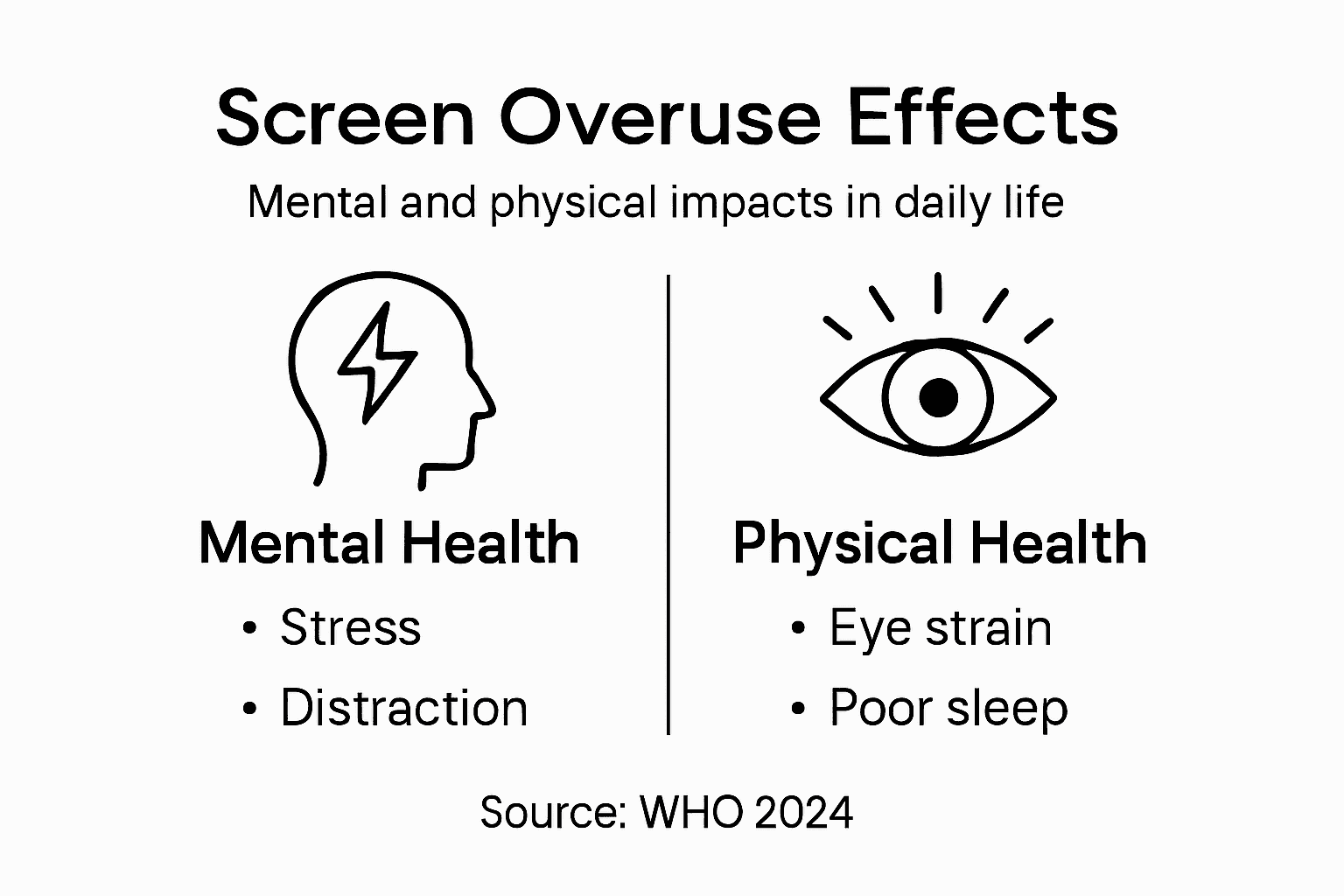
Pro tip: Implement the 20-20-20 rule: Every 20 minutes, look at something 20 feet away for 20 seconds to reduce eye strain and reset visual focus.
Productivity Loss and Weakened Relationships
Screen addiction systematically erodes professional performance and personal connections, creating a pervasive cycle of social and productivity decline. Research demonstrates significant interpersonal challenges associated with excessive digital engagement that fundamentally transform human interaction patterns.
The most critical productivity and relationship disruptions include:
- Diminished attention span and focus
- Reduced emotional intelligence
- Impaired communication skills
- Decreased empathy and genuine connection
- Increased social isolation
Cognitive fragmentation emerges as a primary mechanism undermining professional effectiveness. Constant digital interruptions fragment mental processes, making sustained concentration nearly impossible and dramatically reducing workplace efficiency. Psychological studies reveal technology's profound relational impact by showing how digital dependency progressively weakens social skill development.
Personal relationships suffer most from this digital disconnection. Family interactions become transactional, romantic partnerships lose depth, and friendships transform into superficial digital exchanges. The continuous screen-mediated communication gradually replaces meaningful human connection, creating emotional distance and reducing the quality of interpersonal bonds.
Pro tip: Establish daily screen-free interaction periods with loved ones, focusing on direct eye contact and uninterrupted conversations.
Strategies to Overcome Screen Dependency
Digital detoxification requires a comprehensive, multifaceted approach that addresses both psychological and behavioral components of screen addiction. Experts recommend structured intervention strategies designed to gradually reshape our relationship with technology and restore healthy digital boundaries.
Key strategies for breaking screen dependency include:
- Establishing clear screen time limits
- Creating dedicated screen-free zones
- Developing alternative leisure activities
- Practicing mindful technology consumption
- Utilizing digital well-being tracking tools
Behavioral recalibration demands intentional replacement of digital habits with meaningful human interactions. Comprehensive research suggests multidisciplinary approaches that focus on understanding emotional triggers and developing healthier coping mechanisms beyond simple device restriction.
Successful screen dependency intervention requires addressing underlying psychological needs. Rather than viewing technology as an enemy, individuals must learn to cultivate a balanced, intentional relationship with digital tools, recognizing devices as instruments to enhance life rather than substitute for genuine human experience.
Pro tip: Implement a daily one-hour "analog hour" where all digital devices are completely powered off, focusing instead on in-person interactions or offline activities.
Choosing Effective Digital Wellness Solutions
Digital wellness programs represent a critical intervention strategy for managing technological dependencies in modern professional environments. Comprehensive research highlights nuanced effectiveness of workplace wellness solutions that target mental health and behavioral transformation.
Key characteristics of effective digital wellness solutions include:
- Personalized intervention strategies
- Evidence-based behavioral change techniques
- Integrated mental health support
- Continuous engagement mechanisms
- Adaptive tracking and feedback systems
Holistic wellness approaches transcend traditional one-size-fits-all digital interventions. Successful programs must recognize individual psychological triggers, providing tailored strategies that address underlying motivations for excessive screen consumption rather than implementing generic restrictions.
Organizations seeking meaningful digital wellness solutions must prioritize comprehensive, multi-dimensional strategies. These strategies should combine technological tools, psychological insights, and organizational culture transformation to create sustainable behavioral modifications that genuinely improve employee well-being and productivity.
Pro tip: Conduct a personal digital wellness assessment, identifying specific screen time triggers and designing targeted intervention strategies tailored to your unique behavioral patterns.
Take Control of Your Screen Time and Reclaim Mental Clarity
The article highlights the overwhelming challenge of screen addiction and its complex impact on mental clarity, emotional regulation, and overall well-being. If you struggle with compulsive device checking, diminished focus, or disrupted sleep caused by excessive screen use, you are not alone. Well O’Clock offers an innovative solution that physically interrupts autopilot phone habits by using NFC tags paired with a mobile app. This unique combination empowers you to break free from digital distractions and build healthier, more intentional relationships with your devices.
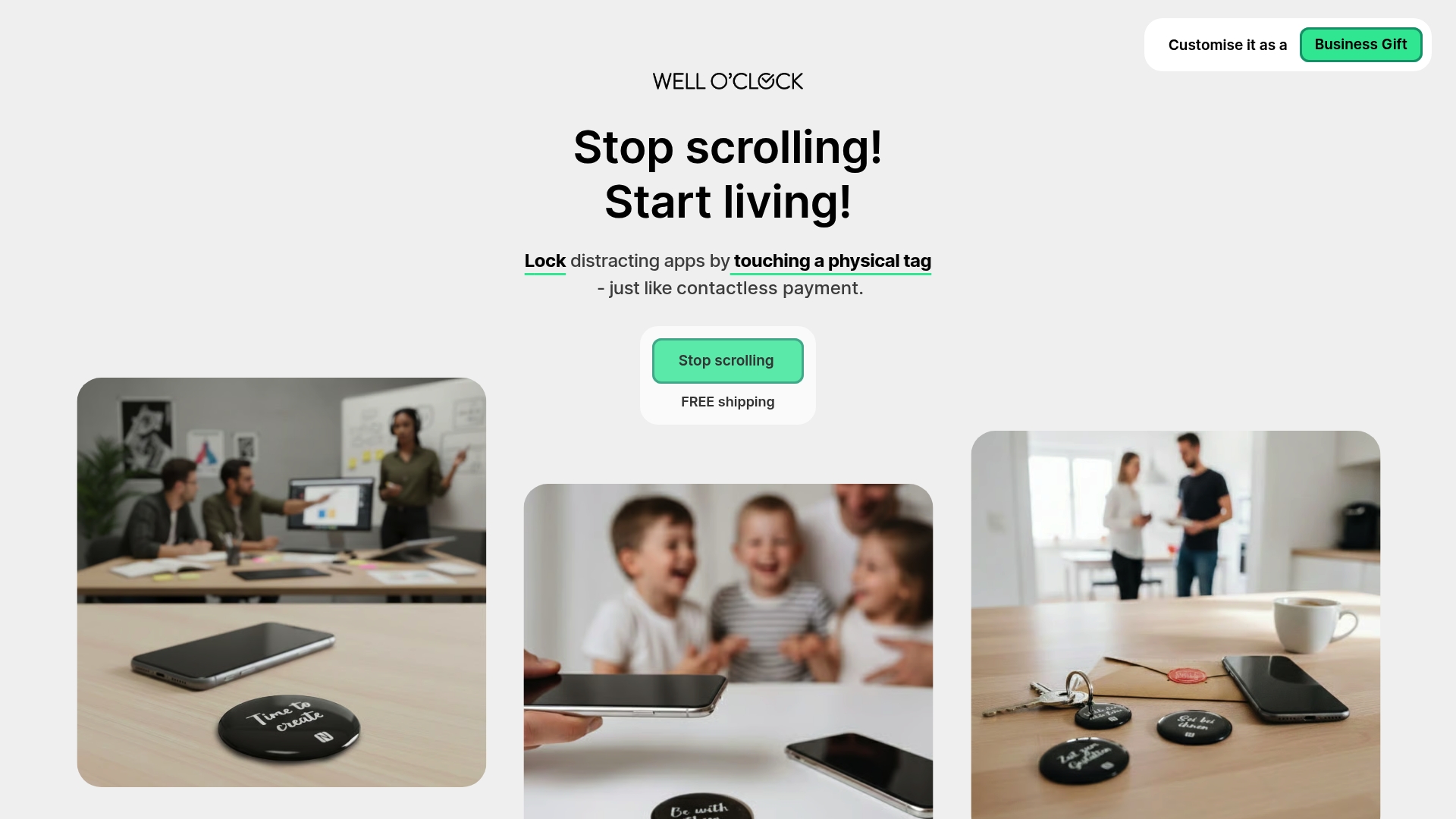
Start your journey toward improved productivity, better sleep, and deeper personal connections by exploring how Well O’Clock helps you set customizable digital boundaries that support mental wellness. Discover simple steps to transform your screen habits today with our easy-to-use system designed for lasting change. Don’t wait to regain control over your digital life-visit Well O’Clock now and experience the power of a physical, outside-the-phone approach to screen time management.
Frequently Asked Questions
What are the signs of screen addiction?
Common signs include compulsive device checking, feeling distress when devices are unavailable, prioritizing digital interactions over real-world relationships, difficulty controlling usage duration, and experiencing dopamine-driven reward sensations.
How does excessive screen time affect mental health?
Excessive screen time can lead to decreased emotional regulation, heightened anxiety and stress levels, reduced social interaction skills, compromised sleep quality, and diminished self-confidence.
What strategies can I use to break screen dependency?
Effective strategies include setting clear screen time limits, creating dedicated screen-free zones, engaging in alternative leisure activities, practicing mindful technology consumption, and utilizing digital well-being tracking tools.
How can a digital detox improve my focus and productivity?
A digital detox allows for reduced cognitive fragmentation caused by constant digital interruptions, helping to enhance your ability to concentrate and perform tasks more effectively, ultimately leading to increased workplace efficiency.

Mak Kordić
Co founder
Mak Kordić is the founder and CEO of CNJ Digital, an agency based in Ljubljana, where he and his team develop UX/UI and digital products for demanding B2B projects. Over his career, he has led and co-created hundreds of digital solutions and worked with international clients.








Why Break Screen Addiction for Mental Clarity
Mak Kordić
,
February 23, 2026
Feeling mentally drained after long hours of digital engagement is a common challenge for health-conscious professionals in cities from New York to Singapore. The struggle goes beyond simple device use, as screen addiction involves compulsive behaviors that impact mental clarity and productivity. Understanding the science behind digital dependency and debunking myths helps you make smarter choices. This article reveals actionable strategies and innovative wellness solutions to restore focus and transform your relationship with technology.
Table of Contents
- Defining Screen Addiction And Common Myths
- How Screen Overuse Disrupts Mental Health
- Physical Effects: Sleep, Vision, And Body
- Productivity Loss And Weakened Relationships
- Strategies To Overcome Screen Dependency
- Choosing Effective Digital Wellness Solutions
Defining Screen Addiction and Common Myths
Screen addiction represents a complex behavioral pattern characterized by compulsive device usage and significant psychological dependency. Unlike traditional substance addictions, digital dependencies emerge from increasingly sophisticated technological environments that hijack our brain's reward systems. Research shows digital addiction involves problematic behaviors that extend beyond simple screen time measurement.
Understanding screen addiction requires recognizing its multifaceted nature. Key characteristics include:
- Compulsive device checking
- Experiencing distress when devices are unavailable
- Prioritizing digital interactions over real-world relationships
- Difficulty controlling usage duration
- Experiencing dopamine-driven reward sensations
Contrary to popular misconceptions, screen addiction is not merely about total hours spent on devices. Scientific research indicates addiction involves complex neurological patterns that disrupt normal cognitive functioning and emotional regulation.
Common myths about screen addiction often mislead individuals about its true impact. Many people incorrectly believe that screen addiction only affects teenagers or that willpower alone can overcome compulsive digital behaviors. However, digital dependency can impact professionals, parents, and individuals across all age groups, transcending generational boundaries.
Pro tip: Conduct a personal digital audit by tracking your device usage and identifying triggers that lead to compulsive checking behaviors.
How Screen Overuse Disrupts Mental Health
Screen overuse dramatically impacts mental health, creating a complex web of psychological challenges that extend far beyond simple device interactions. National research reveals significant mental health correlations between excessive screen time and emotional well-being, particularly among adolescents and young professionals.
Multiple psychological dimensions are disrupted by prolonged screen exposure:
- Decreased emotional regulation capabilities
- Heightened anxiety and stress levels
- Reduced social interaction skills
- Compromised sleep quality
- Diminished self-confidence and interpersonal connections
Neurological implications are particularly concerning. Global studies demonstrate how screen time creates cyclical mental health problems where increased digital engagement leads to more emotional instability, creating a destructive feedback loop of psychological distress.
The mental health disruption occurs through complex neurochemical and behavioral mechanisms. Excessive screen use triggers dopamine release patterns that mimic addiction, causing individuals to seek continuous digital stimulation while simultaneously reducing their capacity for genuine emotional processing and meaningful interpersonal connections.
Pro tip: Implement daily screen-free zones in your living and working spaces to gradually recalibrate your psychological relationship with digital devices.
Physical Effects: Sleep, Vision, and Body
Excessive screen time wreaks havoc on physical health through multiple interconnected systems, creating a cascade of physiological disruptions that extend far beyond simple device usage. Digital eye strain presents significant health challenges that impact vision, musculoskeletal structure, and overall bodily wellness.
The primary physical consequences of prolonged screen exposure include:
- Chronic neck and shoulder tension
- Increased risk of digital eye strain
- Disrupted circadian rhythm and sleep patterns
- Reduced physical movement and muscle activity
- Potential long-term posture misalignment
Blue light exposure fundamentally alters human biological processes, particularly sleep cycles. The artificial light emitted by digital screens suppresses melatonin production, creating a neurological signal that tricks the brain into believing it's daytime, which dramatically reduces natural sleep quality and duration.
Musculoskeletal systems suffer significant strain from prolonged screen interactions. Repetitive movements, unergonomic postures, and continuous sedentary behavior lead to cumulative physical stress, potentially causing chronic pain conditions, reduced muscle flexibility, and increased risk of repetitive strain injuries.
Pro tip: Implement the 20-20-20 rule: Every 20 minutes, look at something 20 feet away for 20 seconds to reduce eye strain and reset visual focus.
Productivity Loss and Weakened Relationships
Screen addiction systematically erodes professional performance and personal connections, creating a pervasive cycle of social and productivity decline. Research demonstrates significant interpersonal challenges associated with excessive digital engagement that fundamentally transform human interaction patterns.
The most critical productivity and relationship disruptions include:
- Diminished attention span and focus
- Reduced emotional intelligence
- Impaired communication skills
- Decreased empathy and genuine connection
- Increased social isolation
Cognitive fragmentation emerges as a primary mechanism undermining professional effectiveness. Constant digital interruptions fragment mental processes, making sustained concentration nearly impossible and dramatically reducing workplace efficiency. Psychological studies reveal technology's profound relational impact by showing how digital dependency progressively weakens social skill development.
Personal relationships suffer most from this digital disconnection. Family interactions become transactional, romantic partnerships lose depth, and friendships transform into superficial digital exchanges. The continuous screen-mediated communication gradually replaces meaningful human connection, creating emotional distance and reducing the quality of interpersonal bonds.
Pro tip: Establish daily screen-free interaction periods with loved ones, focusing on direct eye contact and uninterrupted conversations.
Strategies to Overcome Screen Dependency
Digital detoxification requires a comprehensive, multifaceted approach that addresses both psychological and behavioral components of screen addiction. Experts recommend structured intervention strategies designed to gradually reshape our relationship with technology and restore healthy digital boundaries.
Key strategies for breaking screen dependency include:
- Establishing clear screen time limits
- Creating dedicated screen-free zones
- Developing alternative leisure activities
- Practicing mindful technology consumption
- Utilizing digital well-being tracking tools
Behavioral recalibration demands intentional replacement of digital habits with meaningful human interactions. Comprehensive research suggests multidisciplinary approaches that focus on understanding emotional triggers and developing healthier coping mechanisms beyond simple device restriction.
Successful screen dependency intervention requires addressing underlying psychological needs. Rather than viewing technology as an enemy, individuals must learn to cultivate a balanced, intentional relationship with digital tools, recognizing devices as instruments to enhance life rather than substitute for genuine human experience.
Pro tip: Implement a daily one-hour "analog hour" where all digital devices are completely powered off, focusing instead on in-person interactions or offline activities.
Choosing Effective Digital Wellness Solutions
Digital wellness programs represent a critical intervention strategy for managing technological dependencies in modern professional environments. Comprehensive research highlights nuanced effectiveness of workplace wellness solutions that target mental health and behavioral transformation.
Key characteristics of effective digital wellness solutions include:
- Personalized intervention strategies
- Evidence-based behavioral change techniques
- Integrated mental health support
- Continuous engagement mechanisms
- Adaptive tracking and feedback systems
Holistic wellness approaches transcend traditional one-size-fits-all digital interventions. Successful programs must recognize individual psychological triggers, providing tailored strategies that address underlying motivations for excessive screen consumption rather than implementing generic restrictions.
Organizations seeking meaningful digital wellness solutions must prioritize comprehensive, multi-dimensional strategies. These strategies should combine technological tools, psychological insights, and organizational culture transformation to create sustainable behavioral modifications that genuinely improve employee well-being and productivity.
Pro tip: Conduct a personal digital wellness assessment, identifying specific screen time triggers and designing targeted intervention strategies tailored to your unique behavioral patterns.
Take Control of Your Screen Time and Reclaim Mental Clarity
The article highlights the overwhelming challenge of screen addiction and its complex impact on mental clarity, emotional regulation, and overall well-being. If you struggle with compulsive device checking, diminished focus, or disrupted sleep caused by excessive screen use, you are not alone. Well O’Clock offers an innovative solution that physically interrupts autopilot phone habits by using NFC tags paired with a mobile app. This unique combination empowers you to break free from digital distractions and build healthier, more intentional relationships with your devices.
Start your journey toward improved productivity, better sleep, and deeper personal connections by exploring how Well O’Clock helps you set customizable digital boundaries that support mental wellness. Discover simple steps to transform your screen habits today with our easy-to-use system designed for lasting change. Don’t wait to regain control over your digital life-visit Well O’Clock now and experience the power of a physical, outside-the-phone approach to screen time management.
Frequently Asked Questions
What are the signs of screen addiction?
Common signs include compulsive device checking, feeling distress when devices are unavailable, prioritizing digital interactions over real-world relationships, difficulty controlling usage duration, and experiencing dopamine-driven reward sensations.
How does excessive screen time affect mental health?
Excessive screen time can lead to decreased emotional regulation, heightened anxiety and stress levels, reduced social interaction skills, compromised sleep quality, and diminished self-confidence.
What strategies can I use to break screen dependency?
Effective strategies include setting clear screen time limits, creating dedicated screen-free zones, engaging in alternative leisure activities, practicing mindful technology consumption, and utilizing digital well-being tracking tools.
How can a digital detox improve my focus and productivity?
A digital detox allows for reduced cognitive fragmentation caused by constant digital interruptions, helping to enhance your ability to concentrate and perform tasks more effectively, ultimately leading to increased workplace efficiency.
Mak Kordić
Co founder
Mak Kordić is the founder and CEO of CNJ Digital, an agency based in Ljubljana, where he and his team develop UX/UI and digital products for demanding B2B projects. Over his career, he has led and co-created hundreds of digital solutions and worked with international clients.
Why Break Screen Addiction for Mental Clarity
Mak Kordić
,
February 23, 2026
Feeling mentally drained after long hours of digital engagement is a common challenge for health-conscious professionals in cities from New York to Singapore. The struggle goes beyond simple device use, as screen addiction involves compulsive behaviors that impact mental clarity and productivity. Understanding the science behind digital dependency and debunking myths helps you make smarter choices. This article reveals actionable strategies and innovative wellness solutions to restore focus and transform your relationship with technology.
Table of Contents
- Defining Screen Addiction And Common Myths
- How Screen Overuse Disrupts Mental Health
- Physical Effects: Sleep, Vision, And Body
- Productivity Loss And Weakened Relationships
- Strategies To Overcome Screen Dependency
- Choosing Effective Digital Wellness Solutions
Defining Screen Addiction and Common Myths
Screen addiction represents a complex behavioral pattern characterized by compulsive device usage and significant psychological dependency. Unlike traditional substance addictions, digital dependencies emerge from increasingly sophisticated technological environments that hijack our brain's reward systems. Research shows digital addiction involves problematic behaviors that extend beyond simple screen time measurement.
Understanding screen addiction requires recognizing its multifaceted nature. Key characteristics include:
- Compulsive device checking
- Experiencing distress when devices are unavailable
- Prioritizing digital interactions over real-world relationships
- Difficulty controlling usage duration
- Experiencing dopamine-driven reward sensations
Contrary to popular misconceptions, screen addiction is not merely about total hours spent on devices. Scientific research indicates addiction involves complex neurological patterns that disrupt normal cognitive functioning and emotional regulation.
Common myths about screen addiction often mislead individuals about its true impact. Many people incorrectly believe that screen addiction only affects teenagers or that willpower alone can overcome compulsive digital behaviors. However, digital dependency can impact professionals, parents, and individuals across all age groups, transcending generational boundaries.
Pro tip: Conduct a personal digital audit by tracking your device usage and identifying triggers that lead to compulsive checking behaviors.
How Screen Overuse Disrupts Mental Health
Screen overuse dramatically impacts mental health, creating a complex web of psychological challenges that extend far beyond simple device interactions. National research reveals significant mental health correlations between excessive screen time and emotional well-being, particularly among adolescents and young professionals.
Multiple psychological dimensions are disrupted by prolonged screen exposure:
- Decreased emotional regulation capabilities
- Heightened anxiety and stress levels
- Reduced social interaction skills
- Compromised sleep quality
- Diminished self-confidence and interpersonal connections
Neurological implications are particularly concerning. Global studies demonstrate how screen time creates cyclical mental health problems where increased digital engagement leads to more emotional instability, creating a destructive feedback loop of psychological distress.
The mental health disruption occurs through complex neurochemical and behavioral mechanisms. Excessive screen use triggers dopamine release patterns that mimic addiction, causing individuals to seek continuous digital stimulation while simultaneously reducing their capacity for genuine emotional processing and meaningful interpersonal connections.
Pro tip: Implement daily screen-free zones in your living and working spaces to gradually recalibrate your psychological relationship with digital devices.
Physical Effects: Sleep, Vision, and Body
Excessive screen time wreaks havoc on physical health through multiple interconnected systems, creating a cascade of physiological disruptions that extend far beyond simple device usage. Digital eye strain presents significant health challenges that impact vision, musculoskeletal structure, and overall bodily wellness.
The primary physical consequences of prolonged screen exposure include:
- Chronic neck and shoulder tension
- Increased risk of digital eye strain
- Disrupted circadian rhythm and sleep patterns
- Reduced physical movement and muscle activity
- Potential long-term posture misalignment
Blue light exposure fundamentally alters human biological processes, particularly sleep cycles. The artificial light emitted by digital screens suppresses melatonin production, creating a neurological signal that tricks the brain into believing it's daytime, which dramatically reduces natural sleep quality and duration.
Musculoskeletal systems suffer significant strain from prolonged screen interactions. Repetitive movements, unergonomic postures, and continuous sedentary behavior lead to cumulative physical stress, potentially causing chronic pain conditions, reduced muscle flexibility, and increased risk of repetitive strain injuries.
Pro tip: Implement the 20-20-20 rule: Every 20 minutes, look at something 20 feet away for 20 seconds to reduce eye strain and reset visual focus.
Productivity Loss and Weakened Relationships
Screen addiction systematically erodes professional performance and personal connections, creating a pervasive cycle of social and productivity decline. Research demonstrates significant interpersonal challenges associated with excessive digital engagement that fundamentally transform human interaction patterns.
The most critical productivity and relationship disruptions include:
- Diminished attention span and focus
- Reduced emotional intelligence
- Impaired communication skills
- Decreased empathy and genuine connection
- Increased social isolation
Cognitive fragmentation emerges as a primary mechanism undermining professional effectiveness. Constant digital interruptions fragment mental processes, making sustained concentration nearly impossible and dramatically reducing workplace efficiency. Psychological studies reveal technology's profound relational impact by showing how digital dependency progressively weakens social skill development.
Personal relationships suffer most from this digital disconnection. Family interactions become transactional, romantic partnerships lose depth, and friendships transform into superficial digital exchanges. The continuous screen-mediated communication gradually replaces meaningful human connection, creating emotional distance and reducing the quality of interpersonal bonds.
Pro tip: Establish daily screen-free interaction periods with loved ones, focusing on direct eye contact and uninterrupted conversations.
Strategies to Overcome Screen Dependency
Digital detoxification requires a comprehensive, multifaceted approach that addresses both psychological and behavioral components of screen addiction. Experts recommend structured intervention strategies designed to gradually reshape our relationship with technology and restore healthy digital boundaries.
Key strategies for breaking screen dependency include:
- Establishing clear screen time limits
- Creating dedicated screen-free zones
- Developing alternative leisure activities
- Practicing mindful technology consumption
- Utilizing digital well-being tracking tools
Behavioral recalibration demands intentional replacement of digital habits with meaningful human interactions. Comprehensive research suggests multidisciplinary approaches that focus on understanding emotional triggers and developing healthier coping mechanisms beyond simple device restriction.
Successful screen dependency intervention requires addressing underlying psychological needs. Rather than viewing technology as an enemy, individuals must learn to cultivate a balanced, intentional relationship with digital tools, recognizing devices as instruments to enhance life rather than substitute for genuine human experience.
Pro tip: Implement a daily one-hour "analog hour" where all digital devices are completely powered off, focusing instead on in-person interactions or offline activities.
Choosing Effective Digital Wellness Solutions
Digital wellness programs represent a critical intervention strategy for managing technological dependencies in modern professional environments. Comprehensive research highlights nuanced effectiveness of workplace wellness solutions that target mental health and behavioral transformation.
Key characteristics of effective digital wellness solutions include:
- Personalized intervention strategies
- Evidence-based behavioral change techniques
- Integrated mental health support
- Continuous engagement mechanisms
- Adaptive tracking and feedback systems
Holistic wellness approaches transcend traditional one-size-fits-all digital interventions. Successful programs must recognize individual psychological triggers, providing tailored strategies that address underlying motivations for excessive screen consumption rather than implementing generic restrictions.
Organizations seeking meaningful digital wellness solutions must prioritize comprehensive, multi-dimensional strategies. These strategies should combine technological tools, psychological insights, and organizational culture transformation to create sustainable behavioral modifications that genuinely improve employee well-being and productivity.
Pro tip: Conduct a personal digital wellness assessment, identifying specific screen time triggers and designing targeted intervention strategies tailored to your unique behavioral patterns.
Take Control of Your Screen Time and Reclaim Mental Clarity
The article highlights the overwhelming challenge of screen addiction and its complex impact on mental clarity, emotional regulation, and overall well-being. If you struggle with compulsive device checking, diminished focus, or disrupted sleep caused by excessive screen use, you are not alone. Well O’Clock offers an innovative solution that physically interrupts autopilot phone habits by using NFC tags paired with a mobile app. This unique combination empowers you to break free from digital distractions and build healthier, more intentional relationships with your devices.
Start your journey toward improved productivity, better sleep, and deeper personal connections by exploring how Well O’Clock helps you set customizable digital boundaries that support mental wellness. Discover simple steps to transform your screen habits today with our easy-to-use system designed for lasting change. Don’t wait to regain control over your digital life-visit Well O’Clock now and experience the power of a physical, outside-the-phone approach to screen time management.
Frequently Asked Questions
What are the signs of screen addiction?
Common signs include compulsive device checking, feeling distress when devices are unavailable, prioritizing digital interactions over real-world relationships, difficulty controlling usage duration, and experiencing dopamine-driven reward sensations.
How does excessive screen time affect mental health?
Excessive screen time can lead to decreased emotional regulation, heightened anxiety and stress levels, reduced social interaction skills, compromised sleep quality, and diminished self-confidence.
What strategies can I use to break screen dependency?
Effective strategies include setting clear screen time limits, creating dedicated screen-free zones, engaging in alternative leisure activities, practicing mindful technology consumption, and utilizing digital well-being tracking tools.
How can a digital detox improve my focus and productivity?
A digital detox allows for reduced cognitive fragmentation caused by constant digital interruptions, helping to enhance your ability to concentrate and perform tasks more effectively, ultimately leading to increased workplace efficiency.
Mak Kordić
Co founder
Mak Kordić is the founder and CEO of CNJ Digital, an agency based in Ljubljana, where he and his team develop UX/UI and digital products for demanding B2B projects. Over his career, he has led and co-created hundreds of digital solutions and worked with international clients.