
What Is Screen Time Management? Cut Digital Use 35%
Mak Kordić
,
March 6, 2026

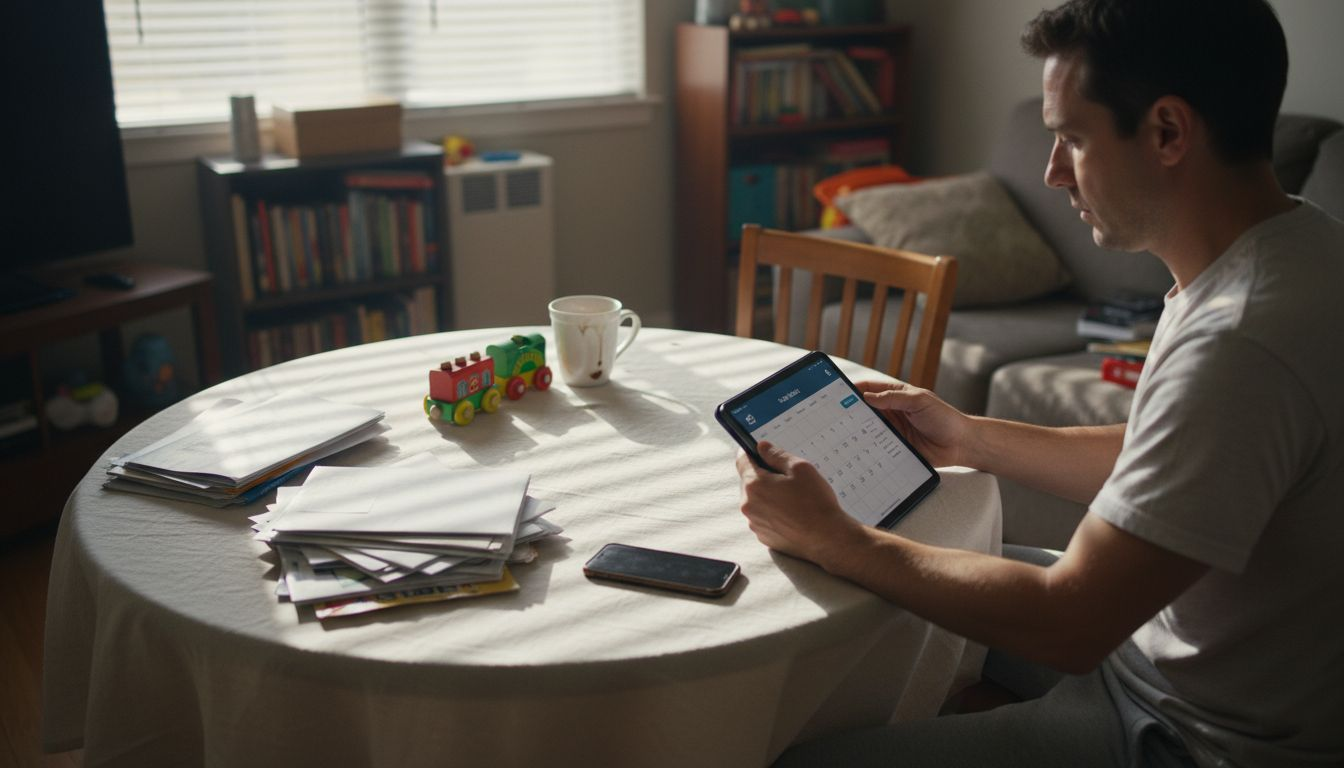
Most people don't realize that evening screen exposure delays sleep onset by up to three hours, while constant digital interruptions shatter focus into fragments lasting barely 40 seconds. Screen time management offers a structured approach to reclaim your attention, restore sleep quality, and rebuild meaningful connections. This guide reveals how combining physical tools with behavioral strategies delivers measurable improvements in mental clarity and reduces screen time naturally for lasting wellness gains.
Table of Contents
- Introduction To Screen Time Management
- Health Impacts Of Excessive Screen Time
- Common Misconceptions About Screen Time
- Frameworks And Strategies For Effective Screen Time Management
- Comparing Screen Time Management Tools And Technologies
- Practical Application: How To Manage Screen Time In Your Daily Life
- Conclusion: Embracing Digital Wellness Through Screen Time Management
- Enhance Your Digital Wellness With Well O'Clock
Introduction to Screen Time Management
Screen time management means deliberately controlling when, where, and how you use digital devices to protect your mental and physical health. It goes beyond simple awareness, requiring structured strategies that interrupt autopilot behaviors and rebuild healthier habits. According to research on natural reduction methods, effective management combines self-monitoring with environmental controls and physical interventions.
The challenge facing most digital device users stems from design choices that exploit attention mechanisms. Apps use variable rewards, infinite scrolling, and notification systems engineered to maximize engagement. Your brain responds to these triggers automatically, making willpower alone insufficient for lasting change.
Unmanaged screen time damages multiple health dimensions simultaneously. Sleep quality deteriorates as blue light suppresses melatonin production. Concentration fragments into ever-shorter bursts as constant switching between apps rewires neural pathways. Relationships suffer when devices interrupt face-to-face interactions, while anxiety levels climb as social comparison and information overload become daily norms. Understanding eye health concerns adds another layer to the wellness equation.
Global device usage continues rising, with adults averaging 7+ hours daily on screens and children spending 4-6 hours outside educational contexts. This expansion creates urgent pressure for families and individuals to develop effective screen time management strategies before negative impacts compound.
Successful management delivers tangible benefits:
- Improved sleep quality and duration
- Enhanced focus and productivity
- Reduced anxiety and stress levels
- Stronger interpersonal relationships
- Better physical health markers
Pro Tip: Start tracking your current usage for three days without changing behavior. This baseline reveals your actual patterns, which often surprise users who underestimate device time by 30-50%.
Health Impacts of Excessive Screen Time
Excessive screen exposure triggers cascading health consequences that extend far beyond tired eyes. Blue light exposure in evening hours delays melatonin release by up to 3 hours, reducing total sleep time by 30-60 minutes nightly. This disruption compounds over weeks, creating sleep debt that impairs cognitive function, emotional regulation, and immune response.
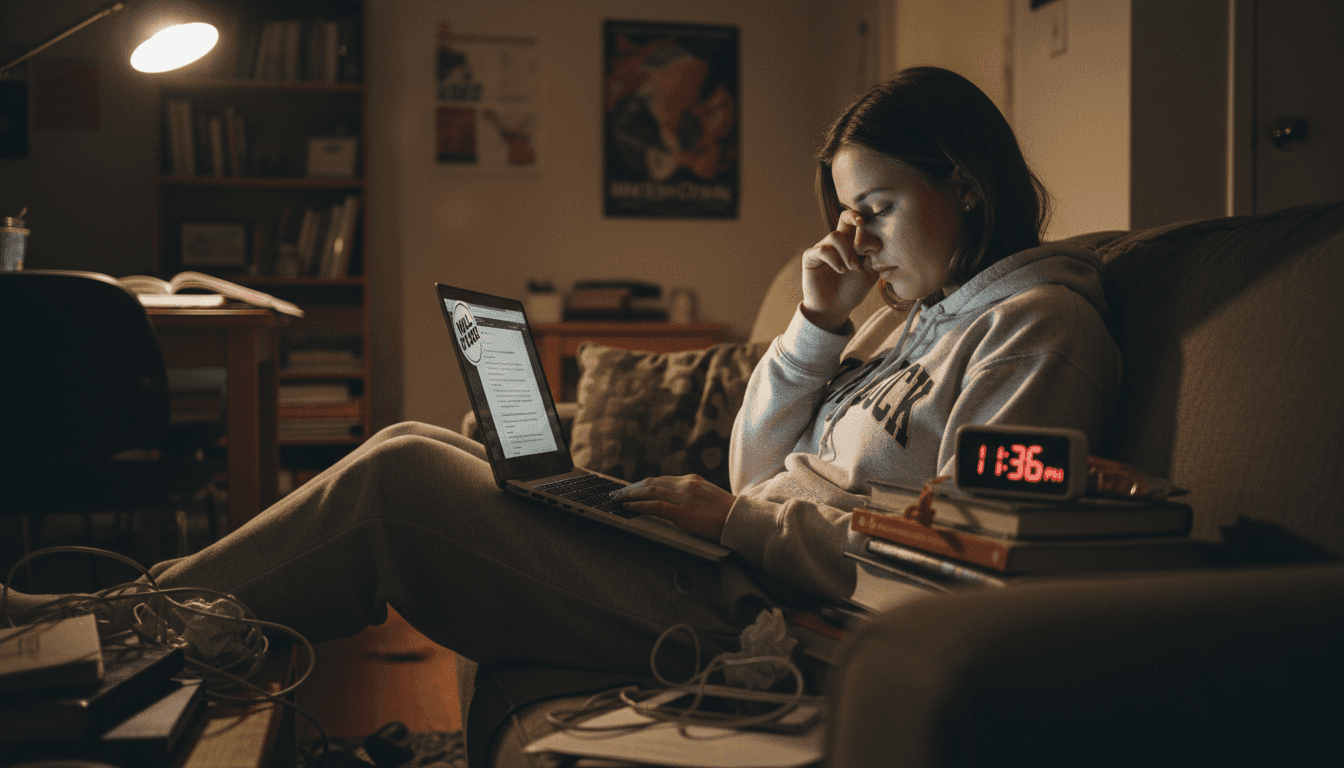
Mental health takes a direct hit from uncontrolled device use. Studies link heavy screen time to increased anxiety and depressive symptoms, particularly when social media comparison drives the usage. The constant stream of notifications fragments attention spans, reducing your ability to engage in deep work or maintain presence during conversations. Understanding these effects of excessive phone usage helps motivate lasting behavior change.
Physical health concerns include eye strain, neck and shoulder pain from poor posture, and metabolic changes from sedentary behavior. However, one common myth deserves correction: screen time alone does not directly cause obesity. Research shows screen time accounts for less than 10% of BMI variance when controlling for physical activity and dietary habits. The real issue involves replacing active behaviors with passive viewing, not screens themselves.
Mental clarity suffers as multitasking between apps trains your brain for distraction rather than sustained focus. Each switch between tasks creates cognitive residue that reduces performance on subsequent activities. Over time, this pattern makes concentration feel increasingly difficult even during non-screen activities.
" The average person checks their phone 96 times daily, creating constant interruptions that prevent deep cognitive processing and meaningful engagement with tasks or people. "
Key health disruptions include:
- Sleep cycle interruption from evening blue light exposure
- Increased cortisol and stress hormone production
- Reduced attention span and working memory capacity
- Physical discomfort from repetitive strain and poor ergonomics
- Social isolation despite digital connection
Common Misconceptions About Screen Time
Several widespread myths about screen time management prevent people from adopting truly effective strategies. Awareness alone rarely changes behavior. Simply knowing you spend too much time on devices produces minimal lasting reduction without structural support systems. Your brain's habit loops require more than knowledge to interrupt autopilot patterns.
The belief that screen time directly causes childhood obesity oversimplifies a complex relationship. Research published in BMC Public Health demonstrates screen time alone accounts for less than 10% variance in BMI when physical activity and diet are controlled. The real mechanism involves screens replacing active play and influencing food choices through advertising, not inherent weight gain from viewing.
Many people assume app-based timers and blockers suffice for digital detox. This misconception ignores how easily users override software-only solutions. Apps exist within the same environment they aim to control, making them vulnerable to dismissal during moments of weak willpower. Physical interventions create necessary friction that apps cannot replicate.
Another myth suggests all screen time equally harms wellness. Quality and context matter enormously. Video calls with distant family members provide social connection benefits, while mindless scrolling through social feeds during meals damages relationships. Educational content consumed intentionally differs fundamentally from reactive consumption driven by boredom or anxiety.
The following misconceptions commonly derail progress:
1. Believing awareness equals change: Knowledge rarely translates to action without environmental and behavioral supports.
2. Assuming screens directly cause obesity: Multiple lifestyle factors interact; screens represent one piece of a larger puzzle.
3. Thinking app-only solutions work long-term: Software controls inside phones get bypassed too easily during temptation moments.
4. Treating all screen time equally: Context, content type, and usage patterns create vastly different health outcomes.
5. Expecting instant transformation: Habit change requires weeks of consistent practice before becoming automatic.
Frameworks and Strategies for Effective Screen Time Management
Effective screen time management requires a multidimensional approach combining four critical pillars. Cognitive awareness forms the foundation, helping you recognize triggers and patterns driving excessive use. Behavioral tools provide concrete methods to interrupt autopilot reaching for devices. Environmental controls modify your physical space to reduce temptation. Social supports create accountability and normalize healthier digital boundaries.
Managing Screen Time For Teens: How To Say No
Research shows combining these four elements reduces screen time by approximately 35% within eight weeks. This integrated approach outperforms single-strategy interventions because it addresses the psychological, behavioral, environmental, and social dimensions simultaneously. The step-by-step healthy phone use guide walks through implementation details for each pillar.
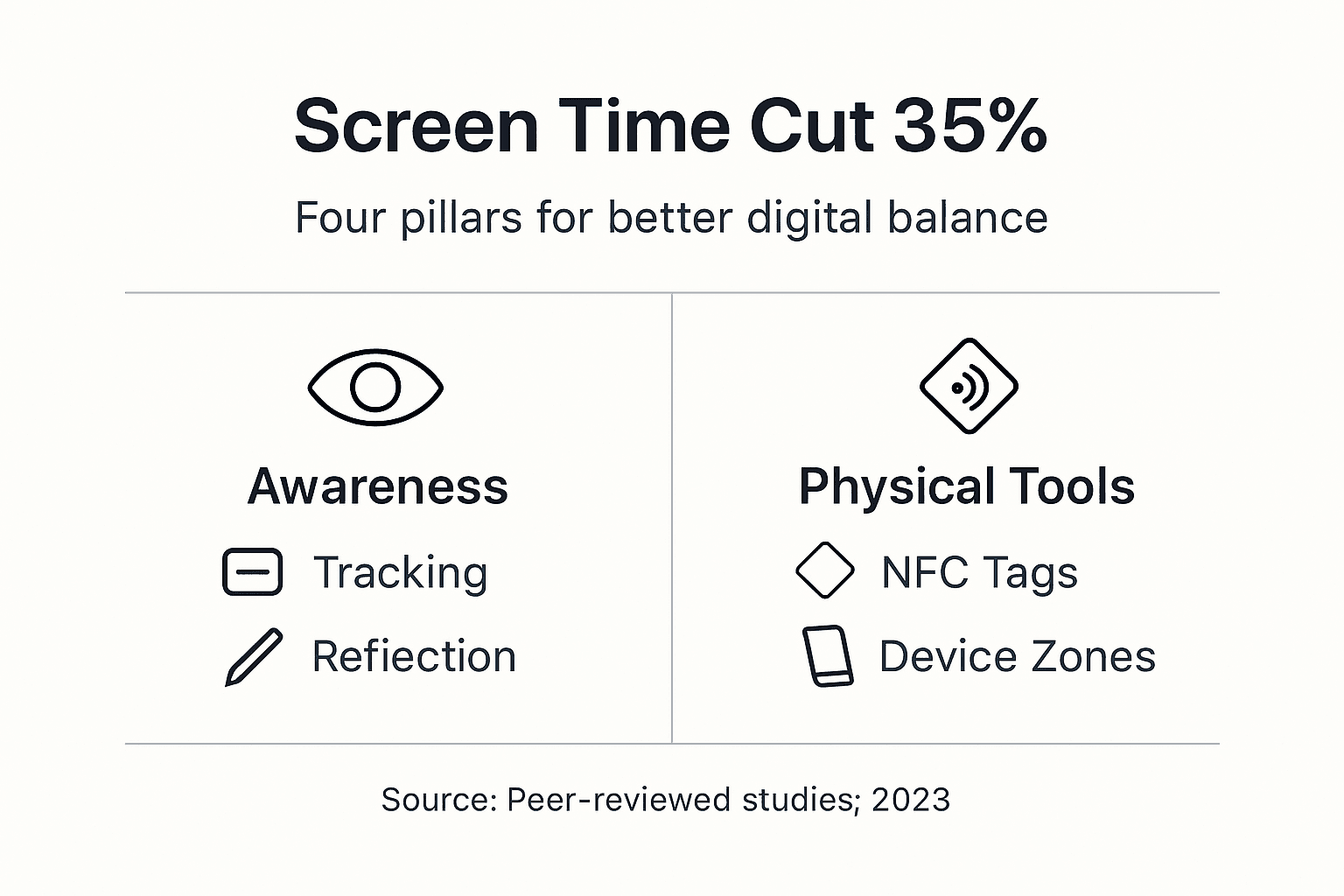
Physical nudges prove more effective than app-only timers because they create tangible friction between impulse and action. Placing your phone in another room, using a dedicated alarm clock instead of your device, or employing NFC tags that lock apps requires deliberate choice to override. This moment of pause often breaks the automatic reach-check-scroll sequence.
Sustainable habits emerge when multiple angles reinforce desired behaviors. Setting device-free zones (bedrooms, dining tables) combines environmental control with social norms. Using grayscale mode reduces visual appeal while app limits add behavioral constraints. Scheduling specific check-in times establishes rhythms that replace constant monitoring.
Core strategies include:
- Awareness tracking: Monitor current usage patterns without judgment to establish baseline data
- Behavioral substitution: Replace phone checking with alternative activities like reading, walking, or conversation
- Environmental design: Remove devices from bedrooms, create charging stations away from living spaces
- Social accountability: Share goals with family or friends who can provide support and gentle reminders
- Physical interventions: Use NFC tags, app lockers, or physical barriers to increase friction
Pro Tip: Combine at least three of the four pillars for maximum effectiveness. Awareness plus behavioral tools plus environmental changes creates redundancy that sustains progress even when willpower wavers.
Comparing Screen Time Management Tools and Technologies
Screen time management tools span a wide spectrum from pure software solutions to integrated physical-digital systems. Understanding their relative effectiveness helps you choose approaches that deliver lasting results rather than temporary compliance.
App-only tools like Digital Wellbeing, Screen Time, or Freedom offer basic tracking and blocking features. They provide valuable data about usage patterns but suffer from critical limitations. Users bypass software restrictions with a few taps during moments of weak resolve. These tools also create notification fatigue as repeated alerts get dismissed without behavior change.
Physical interventions like NFC tags represent the next evolution in screen time control. Research on physical nudges shows they reduced screen time by 25% more than software-only reminders over four weeks. The tangible nature of tapping a tag to unlock apps creates conscious decision points that interrupt automatic behaviors.
Parental control systems combining digital monitoring with physical device management produce stronger outcomes for families. Tools that require physically returning devices to charging stations or using tokens to unlock access periods help children develop healthier relationships with technology. The role of NFC tags in transforming digital wellness extends beyond simple blocking to create intentional engagement rituals.
User engagement metrics reveal compelling differences. Integrated physical-digital systems maintain 30% higher ongoing usage rates compared to app-only solutions after three months. The novelty of software wears off quickly, while physical interactions create persistent engagement through tactile feedback and spatial placement.
Selection criteria for tools:
- Difficulty of bypassing controls during weak moments
- Quality of usage data and insights provided
- Integration with existing devices and workflows
- Support for multiple users or family management
- Physical components that create tangible friction
Practical Application: How to Manage Screen Time in Your Daily Life
Implementing screen time management requires translating frameworks into concrete daily actions. Start by establishing specific rules rather than vague intentions. "No phones during meals" works better than "use less." Quantifiable limits like "30 minutes of social media daily" provide clear success metrics.
Physical tools paired with digital apps create powerful combinations. Place your phone in a designated spot when arriving home, using an NFC tag there to unlock only essential apps. Set automatic reminders for screen breaks without relying solely on willpower. The mindful tech habits approach emphasizes intentional device interaction over reactive scrolling.
Family or social networks provide crucial accountability. Share your screen time goals with people who can offer support without judgment. Create mutual agreements like phone-free dinner conversations or device-free Sunday mornings. Group commitment increases success rates by 40% compared to individual efforts.
Consistency matters more than perfection. Missing a day doesn't erase progress if you resume your practices immediately. Environmental modifications support consistency by reducing the number of daily willpower decisions required. When your bedroom lacks devices, you automatically avoid bedtime scrolling without active resistance.
Follow these implementation steps:
1. Audit current usage: Track screen time for three days to establish your baseline patterns and identify peak usage periods.
2. Set specific targets: Define clear, measurable goals like "reduce evening screen time from 2 hours to 45 minutes."
3. Create device-free zones: Designate bedrooms, dining areas, and cars as phone-free spaces with physical charging stations elsewhere.
4. Install physical interventions: Use NFC tags, app lockers, or drawer storage to increase friction between impulse and action.
5. Enlist accountability partners: Share goals with family members or friends who can provide supportive check-ins and encouragement.
6. Schedule replacement activities: Plan specific alternatives for typical phone-checking moments like reading, walking, or hobbies.
7. Review and adjust weekly: Assess what's working, identify obstacles, and modify strategies based on actual results rather than intentions.
Pro Tip: Place your phone charger in a room you rarely visit during evenings. This single environmental change eliminates bedtime scrolling for most people without requiring ongoing willpower.
Additional daily practices:
- Use airplane mode during focused work sessions
- Batch notification checks to 3-4 scheduled times daily
- Replace phone alarms with traditional alarm clocks
- Practice the "one-touch rule" for messages: respond immediately or schedule specific reply times
- Celebrate small wins to build momentum and positive associations
The stop scrolling start living philosophy transforms screen time management from restriction to liberation, helping you reclaim hours for activities that genuinely enhance wellbeing.
Conclusion: Embracing Digital Wellness Through Screen Time Management
Effective screen time management delivers profound improvements across multiple wellness dimensions. Better sleep quality emerges within days of reducing evening exposure, while enhanced focus and productivity follow within weeks. Relationships deepen when devices no longer interrupt face-to-face interactions, and anxiety levels decrease as you break the social comparison cycle.
The evidence clearly favors physical tools combined with digital supports over app-only approaches. Systems that create tangible friction between impulse and action succeed where software reminders fail. This integrated approach respects how human behavior actually changes rather than how we wish it would.
Sustainable habits require addressing awareness, behavior, environment, and social factors simultaneously. No single intervention produces lasting transformation, but combining multiple strategies creates redundancy that maintains progress even during challenging periods. Your investment in structured screen time management pays dividends in mental clarity, physical health, and relationship quality for years ahead.
Enhance Your Digital Wellness with Well O'Clock
Ready to transform knowledge into action? Well O'Clock provides integrated tools supporting both physical and digital dimensions of screen time management. Our NFC tag system creates the tangible interruptions research proves most effective, while our app delivers the tracking and insights you need for continuous improvement.
Discover proven workflows designed to improve focus and wellness in the Well O'Clock blog, where you'll find resources on why mindful tech habits matter and our comprehensive smart workflow for healthy phone use. Take the first step toward reclaiming your attention and rebuilding the life you want beyond the screen.
FAQ
How can I track my screen time effectively without becoming obsessed?
Use tools that automatically track time without requiring frequent manual checking. Set limits on self-monitoring to once weekly rather than constant review, preventing the tracking itself from becoming another source of anxiety.
What physical tools work best alongside apps to reduce screen time?
NFC tags that temporarily lock distracting apps prove highly effective by creating deliberate friction. Physical interventions interrupt habitual device reaching better than app timers alone because they require conscious choice to override rather than a simple tap to dismiss.
Are screen time limits equally important for adults and children?
Yes, though implementation strategies differ significantly. Children need parental support, consistent rules, and age-appropriate boundaries, while adults benefit more from self-awareness tools and behavioral interventions. Both groups require mindful tech habits tailored to their developmental stage and autonomy level.
How long does it take to see results from screen time management?
Most people notice improved sleep quality within 3-5 days of reducing evening screen exposure. Enhanced focus and reduced anxiety typically emerge after 2-3 weeks of consistent practice as new neural pathways strengthen and old autopilot patterns weaken.
Can screen time management improve my relationships?
Absolutely. Removing devices during meals and conversations signals presence and priority to loved ones. Research shows couples who establish device-free times report 40% higher relationship satisfaction, while families with phone-free dinner rules experience more meaningful connection and communication.

Mak Kordić
Co founder
Mak Kordić is the founder and CEO of CNJ Digital, an agency based in Ljubljana, where he and his team develop UX/UI and digital products for demanding B2B projects. Over his career, he has led and co-created hundreds of digital solutions and worked with international clients.








What Is Screen Time Management? Cut Digital Use 35%
Mak Kordić
,
March 6, 2026
Most people don't realize that evening screen exposure delays sleep onset by up to three hours, while constant digital interruptions shatter focus into fragments lasting barely 40 seconds. Screen time management offers a structured approach to reclaim your attention, restore sleep quality, and rebuild meaningful connections. This guide reveals how combining physical tools with behavioral strategies delivers measurable improvements in mental clarity and reduces screen time naturally for lasting wellness gains.
Table of Contents
- Introduction To Screen Time Management
- Health Impacts Of Excessive Screen Time
- Common Misconceptions About Screen Time
- Frameworks And Strategies For Effective Screen Time Management
- Comparing Screen Time Management Tools And Technologies
- Practical Application: How To Manage Screen Time In Your Daily Life
- Conclusion: Embracing Digital Wellness Through Screen Time Management
- Enhance Your Digital Wellness With Well O'Clock
Introduction to Screen Time Management
Screen time management means deliberately controlling when, where, and how you use digital devices to protect your mental and physical health. It goes beyond simple awareness, requiring structured strategies that interrupt autopilot behaviors and rebuild healthier habits. According to research on natural reduction methods, effective management combines self-monitoring with environmental controls and physical interventions.
The challenge facing most digital device users stems from design choices that exploit attention mechanisms. Apps use variable rewards, infinite scrolling, and notification systems engineered to maximize engagement. Your brain responds to these triggers automatically, making willpower alone insufficient for lasting change.
Unmanaged screen time damages multiple health dimensions simultaneously. Sleep quality deteriorates as blue light suppresses melatonin production. Concentration fragments into ever-shorter bursts as constant switching between apps rewires neural pathways. Relationships suffer when devices interrupt face-to-face interactions, while anxiety levels climb as social comparison and information overload become daily norms. Understanding eye health concerns adds another layer to the wellness equation.
Global device usage continues rising, with adults averaging 7+ hours daily on screens and children spending 4-6 hours outside educational contexts. This expansion creates urgent pressure for families and individuals to develop effective screen time management strategies before negative impacts compound.
Successful management delivers tangible benefits:
- Improved sleep quality and duration
- Enhanced focus and productivity
- Reduced anxiety and stress levels
- Stronger interpersonal relationships
- Better physical health markers
Pro Tip: Start tracking your current usage for three days without changing behavior. This baseline reveals your actual patterns, which often surprise users who underestimate device time by 30-50%.
Health Impacts of Excessive Screen Time
Excessive screen exposure triggers cascading health consequences that extend far beyond tired eyes. Blue light exposure in evening hours delays melatonin release by up to 3 hours, reducing total sleep time by 30-60 minutes nightly. This disruption compounds over weeks, creating sleep debt that impairs cognitive function, emotional regulation, and immune response.
Mental health takes a direct hit from uncontrolled device use. Studies link heavy screen time to increased anxiety and depressive symptoms, particularly when social media comparison drives the usage. The constant stream of notifications fragments attention spans, reducing your ability to engage in deep work or maintain presence during conversations. Understanding these effects of excessive phone usage helps motivate lasting behavior change.
Physical health concerns include eye strain, neck and shoulder pain from poor posture, and metabolic changes from sedentary behavior. However, one common myth deserves correction: screen time alone does not directly cause obesity. Research shows screen time accounts for less than 10% of BMI variance when controlling for physical activity and dietary habits. The real issue involves replacing active behaviors with passive viewing, not screens themselves.
Mental clarity suffers as multitasking between apps trains your brain for distraction rather than sustained focus. Each switch between tasks creates cognitive residue that reduces performance on subsequent activities. Over time, this pattern makes concentration feel increasingly difficult even during non-screen activities.
" The average person checks their phone 96 times daily, creating constant interruptions that prevent deep cognitive processing and meaningful engagement with tasks or people. "
Key health disruptions include:
- Sleep cycle interruption from evening blue light exposure
- Increased cortisol and stress hormone production
- Reduced attention span and working memory capacity
- Physical discomfort from repetitive strain and poor ergonomics
- Social isolation despite digital connection
Common Misconceptions About Screen Time
Several widespread myths about screen time management prevent people from adopting truly effective strategies. Awareness alone rarely changes behavior. Simply knowing you spend too much time on devices produces minimal lasting reduction without structural support systems. Your brain's habit loops require more than knowledge to interrupt autopilot patterns.
The belief that screen time directly causes childhood obesity oversimplifies a complex relationship. Research published in BMC Public Health demonstrates screen time alone accounts for less than 10% variance in BMI when physical activity and diet are controlled. The real mechanism involves screens replacing active play and influencing food choices through advertising, not inherent weight gain from viewing.
Many people assume app-based timers and blockers suffice for digital detox. This misconception ignores how easily users override software-only solutions. Apps exist within the same environment they aim to control, making them vulnerable to dismissal during moments of weak willpower. Physical interventions create necessary friction that apps cannot replicate.
Another myth suggests all screen time equally harms wellness. Quality and context matter enormously. Video calls with distant family members provide social connection benefits, while mindless scrolling through social feeds during meals damages relationships. Educational content consumed intentionally differs fundamentally from reactive consumption driven by boredom or anxiety.
The following misconceptions commonly derail progress:
1. Believing awareness equals change: Knowledge rarely translates to action without environmental and behavioral supports.
2. Assuming screens directly cause obesity: Multiple lifestyle factors interact; screens represent one piece of a larger puzzle.
3. Thinking app-only solutions work long-term: Software controls inside phones get bypassed too easily during temptation moments.
4. Treating all screen time equally: Context, content type, and usage patterns create vastly different health outcomes.
5. Expecting instant transformation: Habit change requires weeks of consistent practice before becoming automatic.
Frameworks and Strategies for Effective Screen Time Management
Effective screen time management requires a multidimensional approach combining four critical pillars. Cognitive awareness forms the foundation, helping you recognize triggers and patterns driving excessive use. Behavioral tools provide concrete methods to interrupt autopilot reaching for devices. Environmental controls modify your physical space to reduce temptation. Social supports create accountability and normalize healthier digital boundaries.
Managing Screen Time For Teens: How To Say No
Research shows combining these four elements reduces screen time by approximately 35% within eight weeks. This integrated approach outperforms single-strategy interventions because it addresses the psychological, behavioral, environmental, and social dimensions simultaneously. The step-by-step healthy phone use guide walks through implementation details for each pillar.
Physical nudges prove more effective than app-only timers because they create tangible friction between impulse and action. Placing your phone in another room, using a dedicated alarm clock instead of your device, or employing NFC tags that lock apps requires deliberate choice to override. This moment of pause often breaks the automatic reach-check-scroll sequence.
Sustainable habits emerge when multiple angles reinforce desired behaviors. Setting device-free zones (bedrooms, dining tables) combines environmental control with social norms. Using grayscale mode reduces visual appeal while app limits add behavioral constraints. Scheduling specific check-in times establishes rhythms that replace constant monitoring.
Core strategies include:
- Awareness tracking: Monitor current usage patterns without judgment to establish baseline data
- Behavioral substitution: Replace phone checking with alternative activities like reading, walking, or conversation
- Environmental design: Remove devices from bedrooms, create charging stations away from living spaces
- Social accountability: Share goals with family or friends who can provide support and gentle reminders
- Physical interventions: Use NFC tags, app lockers, or physical barriers to increase friction
Pro Tip: Combine at least three of the four pillars for maximum effectiveness. Awareness plus behavioral tools plus environmental changes creates redundancy that sustains progress even when willpower wavers.
Comparing Screen Time Management Tools and Technologies
Screen time management tools span a wide spectrum from pure software solutions to integrated physical-digital systems. Understanding their relative effectiveness helps you choose approaches that deliver lasting results rather than temporary compliance.
App-only tools like Digital Wellbeing, Screen Time, or Freedom offer basic tracking and blocking features. They provide valuable data about usage patterns but suffer from critical limitations. Users bypass software restrictions with a few taps during moments of weak resolve. These tools also create notification fatigue as repeated alerts get dismissed without behavior change.
Physical interventions like NFC tags represent the next evolution in screen time control. Research on physical nudges shows they reduced screen time by 25% more than software-only reminders over four weeks. The tangible nature of tapping a tag to unlock apps creates conscious decision points that interrupt automatic behaviors.
Parental control systems combining digital monitoring with physical device management produce stronger outcomes for families. Tools that require physically returning devices to charging stations or using tokens to unlock access periods help children develop healthier relationships with technology. The role of NFC tags in transforming digital wellness extends beyond simple blocking to create intentional engagement rituals.
User engagement metrics reveal compelling differences. Integrated physical-digital systems maintain 30% higher ongoing usage rates compared to app-only solutions after three months. The novelty of software wears off quickly, while physical interactions create persistent engagement through tactile feedback and spatial placement.
Selection criteria for tools:
- Difficulty of bypassing controls during weak moments
- Quality of usage data and insights provided
- Integration with existing devices and workflows
- Support for multiple users or family management
- Physical components that create tangible friction
Practical Application: How to Manage Screen Time in Your Daily Life
Implementing screen time management requires translating frameworks into concrete daily actions. Start by establishing specific rules rather than vague intentions. "No phones during meals" works better than "use less." Quantifiable limits like "30 minutes of social media daily" provide clear success metrics.
Physical tools paired with digital apps create powerful combinations. Place your phone in a designated spot when arriving home, using an NFC tag there to unlock only essential apps. Set automatic reminders for screen breaks without relying solely on willpower. The mindful tech habits approach emphasizes intentional device interaction over reactive scrolling.
Family or social networks provide crucial accountability. Share your screen time goals with people who can offer support without judgment. Create mutual agreements like phone-free dinner conversations or device-free Sunday mornings. Group commitment increases success rates by 40% compared to individual efforts.
Consistency matters more than perfection. Missing a day doesn't erase progress if you resume your practices immediately. Environmental modifications support consistency by reducing the number of daily willpower decisions required. When your bedroom lacks devices, you automatically avoid bedtime scrolling without active resistance.
Follow these implementation steps:
1. Audit current usage: Track screen time for three days to establish your baseline patterns and identify peak usage periods.
2. Set specific targets: Define clear, measurable goals like "reduce evening screen time from 2 hours to 45 minutes."
3. Create device-free zones: Designate bedrooms, dining areas, and cars as phone-free spaces with physical charging stations elsewhere.
4. Install physical interventions: Use NFC tags, app lockers, or drawer storage to increase friction between impulse and action.
5. Enlist accountability partners: Share goals with family members or friends who can provide supportive check-ins and encouragement.
6. Schedule replacement activities: Plan specific alternatives for typical phone-checking moments like reading, walking, or hobbies.
7. Review and adjust weekly: Assess what's working, identify obstacles, and modify strategies based on actual results rather than intentions.
Pro Tip: Place your phone charger in a room you rarely visit during evenings. This single environmental change eliminates bedtime scrolling for most people without requiring ongoing willpower.
Additional daily practices:
- Use airplane mode during focused work sessions
- Batch notification checks to 3-4 scheduled times daily
- Replace phone alarms with traditional alarm clocks
- Practice the "one-touch rule" for messages: respond immediately or schedule specific reply times
- Celebrate small wins to build momentum and positive associations
The stop scrolling start living philosophy transforms screen time management from restriction to liberation, helping you reclaim hours for activities that genuinely enhance wellbeing.
Conclusion: Embracing Digital Wellness Through Screen Time Management
Effective screen time management delivers profound improvements across multiple wellness dimensions. Better sleep quality emerges within days of reducing evening exposure, while enhanced focus and productivity follow within weeks. Relationships deepen when devices no longer interrupt face-to-face interactions, and anxiety levels decrease as you break the social comparison cycle.
The evidence clearly favors physical tools combined with digital supports over app-only approaches. Systems that create tangible friction between impulse and action succeed where software reminders fail. This integrated approach respects how human behavior actually changes rather than how we wish it would.
Sustainable habits require addressing awareness, behavior, environment, and social factors simultaneously. No single intervention produces lasting transformation, but combining multiple strategies creates redundancy that maintains progress even during challenging periods. Your investment in structured screen time management pays dividends in mental clarity, physical health, and relationship quality for years ahead.
Enhance Your Digital Wellness with Well O'Clock
Ready to transform knowledge into action? Well O'Clock provides integrated tools supporting both physical and digital dimensions of screen time management. Our NFC tag system creates the tangible interruptions research proves most effective, while our app delivers the tracking and insights you need for continuous improvement.
Discover proven workflows designed to improve focus and wellness in the Well O'Clock blog, where you'll find resources on why mindful tech habits matter and our comprehensive smart workflow for healthy phone use. Take the first step toward reclaiming your attention and rebuilding the life you want beyond the screen.
FAQ
How can I track my screen time effectively without becoming obsessed?
Use tools that automatically track time without requiring frequent manual checking. Set limits on self-monitoring to once weekly rather than constant review, preventing the tracking itself from becoming another source of anxiety.
What physical tools work best alongside apps to reduce screen time?
NFC tags that temporarily lock distracting apps prove highly effective by creating deliberate friction. Physical interventions interrupt habitual device reaching better than app timers alone because they require conscious choice to override rather than a simple tap to dismiss.
Are screen time limits equally important for adults and children?
Yes, though implementation strategies differ significantly. Children need parental support, consistent rules, and age-appropriate boundaries, while adults benefit more from self-awareness tools and behavioral interventions. Both groups require mindful tech habits tailored to their developmental stage and autonomy level.
How long does it take to see results from screen time management?
Most people notice improved sleep quality within 3-5 days of reducing evening screen exposure. Enhanced focus and reduced anxiety typically emerge after 2-3 weeks of consistent practice as new neural pathways strengthen and old autopilot patterns weaken.
Can screen time management improve my relationships?
Absolutely. Removing devices during meals and conversations signals presence and priority to loved ones. Research shows couples who establish device-free times report 40% higher relationship satisfaction, while families with phone-free dinner rules experience more meaningful connection and communication.
Mak Kordić
Co founder
Mak Kordić is the founder and CEO of CNJ Digital, an agency based in Ljubljana, where he and his team develop UX/UI and digital products for demanding B2B projects. Over his career, he has led and co-created hundreds of digital solutions and worked with international clients.
What Is Screen Time Management? Cut Digital Use 35%
Mak Kordić
,
March 6, 2026
Most people don't realize that evening screen exposure delays sleep onset by up to three hours, while constant digital interruptions shatter focus into fragments lasting barely 40 seconds. Screen time management offers a structured approach to reclaim your attention, restore sleep quality, and rebuild meaningful connections. This guide reveals how combining physical tools with behavioral strategies delivers measurable improvements in mental clarity and reduces screen time naturally for lasting wellness gains.
Table of Contents
- Introduction To Screen Time Management
- Health Impacts Of Excessive Screen Time
- Common Misconceptions About Screen Time
- Frameworks And Strategies For Effective Screen Time Management
- Comparing Screen Time Management Tools And Technologies
- Practical Application: How To Manage Screen Time In Your Daily Life
- Conclusion: Embracing Digital Wellness Through Screen Time Management
- Enhance Your Digital Wellness With Well O'Clock
Introduction to Screen Time Management
Screen time management means deliberately controlling when, where, and how you use digital devices to protect your mental and physical health. It goes beyond simple awareness, requiring structured strategies that interrupt autopilot behaviors and rebuild healthier habits. According to research on natural reduction methods, effective management combines self-monitoring with environmental controls and physical interventions.
The challenge facing most digital device users stems from design choices that exploit attention mechanisms. Apps use variable rewards, infinite scrolling, and notification systems engineered to maximize engagement. Your brain responds to these triggers automatically, making willpower alone insufficient for lasting change.
Unmanaged screen time damages multiple health dimensions simultaneously. Sleep quality deteriorates as blue light suppresses melatonin production. Concentration fragments into ever-shorter bursts as constant switching between apps rewires neural pathways. Relationships suffer when devices interrupt face-to-face interactions, while anxiety levels climb as social comparison and information overload become daily norms. Understanding eye health concerns adds another layer to the wellness equation.
Global device usage continues rising, with adults averaging 7+ hours daily on screens and children spending 4-6 hours outside educational contexts. This expansion creates urgent pressure for families and individuals to develop effective screen time management strategies before negative impacts compound.
Successful management delivers tangible benefits:
- Improved sleep quality and duration
- Enhanced focus and productivity
- Reduced anxiety and stress levels
- Stronger interpersonal relationships
- Better physical health markers
Pro Tip: Start tracking your current usage for three days without changing behavior. This baseline reveals your actual patterns, which often surprise users who underestimate device time by 30-50%.
Health Impacts of Excessive Screen Time
Excessive screen exposure triggers cascading health consequences that extend far beyond tired eyes. Blue light exposure in evening hours delays melatonin release by up to 3 hours, reducing total sleep time by 30-60 minutes nightly. This disruption compounds over weeks, creating sleep debt that impairs cognitive function, emotional regulation, and immune response.
Mental health takes a direct hit from uncontrolled device use. Studies link heavy screen time to increased anxiety and depressive symptoms, particularly when social media comparison drives the usage. The constant stream of notifications fragments attention spans, reducing your ability to engage in deep work or maintain presence during conversations. Understanding these effects of excessive phone usage helps motivate lasting behavior change.
Physical health concerns include eye strain, neck and shoulder pain from poor posture, and metabolic changes from sedentary behavior. However, one common myth deserves correction: screen time alone does not directly cause obesity. Research shows screen time accounts for less than 10% of BMI variance when controlling for physical activity and dietary habits. The real issue involves replacing active behaviors with passive viewing, not screens themselves.
Mental clarity suffers as multitasking between apps trains your brain for distraction rather than sustained focus. Each switch between tasks creates cognitive residue that reduces performance on subsequent activities. Over time, this pattern makes concentration feel increasingly difficult even during non-screen activities.
" The average person checks their phone 96 times daily, creating constant interruptions that prevent deep cognitive processing and meaningful engagement with tasks or people. "
Key health disruptions include:
- Sleep cycle interruption from evening blue light exposure
- Increased cortisol and stress hormone production
- Reduced attention span and working memory capacity
- Physical discomfort from repetitive strain and poor ergonomics
- Social isolation despite digital connection
Common Misconceptions About Screen Time
Several widespread myths about screen time management prevent people from adopting truly effective strategies. Awareness alone rarely changes behavior. Simply knowing you spend too much time on devices produces minimal lasting reduction without structural support systems. Your brain's habit loops require more than knowledge to interrupt autopilot patterns.
The belief that screen time directly causes childhood obesity oversimplifies a complex relationship. Research published in BMC Public Health demonstrates screen time alone accounts for less than 10% variance in BMI when physical activity and diet are controlled. The real mechanism involves screens replacing active play and influencing food choices through advertising, not inherent weight gain from viewing.
Many people assume app-based timers and blockers suffice for digital detox. This misconception ignores how easily users override software-only solutions. Apps exist within the same environment they aim to control, making them vulnerable to dismissal during moments of weak willpower. Physical interventions create necessary friction that apps cannot replicate.
Another myth suggests all screen time equally harms wellness. Quality and context matter enormously. Video calls with distant family members provide social connection benefits, while mindless scrolling through social feeds during meals damages relationships. Educational content consumed intentionally differs fundamentally from reactive consumption driven by boredom or anxiety.
The following misconceptions commonly derail progress:
1. Believing awareness equals change: Knowledge rarely translates to action without environmental and behavioral supports.
2. Assuming screens directly cause obesity: Multiple lifestyle factors interact; screens represent one piece of a larger puzzle.
3. Thinking app-only solutions work long-term: Software controls inside phones get bypassed too easily during temptation moments.
4. Treating all screen time equally: Context, content type, and usage patterns create vastly different health outcomes.
5. Expecting instant transformation: Habit change requires weeks of consistent practice before becoming automatic.
Frameworks and Strategies for Effective Screen Time Management
Effective screen time management requires a multidimensional approach combining four critical pillars. Cognitive awareness forms the foundation, helping you recognize triggers and patterns driving excessive use. Behavioral tools provide concrete methods to interrupt autopilot reaching for devices. Environmental controls modify your physical space to reduce temptation. Social supports create accountability and normalize healthier digital boundaries.
Managing Screen Time For Teens: How To Say No
Research shows combining these four elements reduces screen time by approximately 35% within eight weeks. This integrated approach outperforms single-strategy interventions because it addresses the psychological, behavioral, environmental, and social dimensions simultaneously. The step-by-step healthy phone use guide walks through implementation details for each pillar.
Physical nudges prove more effective than app-only timers because they create tangible friction between impulse and action. Placing your phone in another room, using a dedicated alarm clock instead of your device, or employing NFC tags that lock apps requires deliberate choice to override. This moment of pause often breaks the automatic reach-check-scroll sequence.
Sustainable habits emerge when multiple angles reinforce desired behaviors. Setting device-free zones (bedrooms, dining tables) combines environmental control with social norms. Using grayscale mode reduces visual appeal while app limits add behavioral constraints. Scheduling specific check-in times establishes rhythms that replace constant monitoring.
Core strategies include:
- Awareness tracking: Monitor current usage patterns without judgment to establish baseline data
- Behavioral substitution: Replace phone checking with alternative activities like reading, walking, or conversation
- Environmental design: Remove devices from bedrooms, create charging stations away from living spaces
- Social accountability: Share goals with family or friends who can provide support and gentle reminders
- Physical interventions: Use NFC tags, app lockers, or physical barriers to increase friction
Pro Tip: Combine at least three of the four pillars for maximum effectiveness. Awareness plus behavioral tools plus environmental changes creates redundancy that sustains progress even when willpower wavers.
Comparing Screen Time Management Tools and Technologies
Screen time management tools span a wide spectrum from pure software solutions to integrated physical-digital systems. Understanding their relative effectiveness helps you choose approaches that deliver lasting results rather than temporary compliance.
App-only tools like Digital Wellbeing, Screen Time, or Freedom offer basic tracking and blocking features. They provide valuable data about usage patterns but suffer from critical limitations. Users bypass software restrictions with a few taps during moments of weak resolve. These tools also create notification fatigue as repeated alerts get dismissed without behavior change.
Physical interventions like NFC tags represent the next evolution in screen time control. Research on physical nudges shows they reduced screen time by 25% more than software-only reminders over four weeks. The tangible nature of tapping a tag to unlock apps creates conscious decision points that interrupt automatic behaviors.
Parental control systems combining digital monitoring with physical device management produce stronger outcomes for families. Tools that require physically returning devices to charging stations or using tokens to unlock access periods help children develop healthier relationships with technology. The role of NFC tags in transforming digital wellness extends beyond simple blocking to create intentional engagement rituals.
User engagement metrics reveal compelling differences. Integrated physical-digital systems maintain 30% higher ongoing usage rates compared to app-only solutions after three months. The novelty of software wears off quickly, while physical interactions create persistent engagement through tactile feedback and spatial placement.
Selection criteria for tools:
- Difficulty of bypassing controls during weak moments
- Quality of usage data and insights provided
- Integration with existing devices and workflows
- Support for multiple users or family management
- Physical components that create tangible friction
Practical Application: How to Manage Screen Time in Your Daily Life
Implementing screen time management requires translating frameworks into concrete daily actions. Start by establishing specific rules rather than vague intentions. "No phones during meals" works better than "use less." Quantifiable limits like "30 minutes of social media daily" provide clear success metrics.
Physical tools paired with digital apps create powerful combinations. Place your phone in a designated spot when arriving home, using an NFC tag there to unlock only essential apps. Set automatic reminders for screen breaks without relying solely on willpower. The mindful tech habits approach emphasizes intentional device interaction over reactive scrolling.
Family or social networks provide crucial accountability. Share your screen time goals with people who can offer support without judgment. Create mutual agreements like phone-free dinner conversations or device-free Sunday mornings. Group commitment increases success rates by 40% compared to individual efforts.
Consistency matters more than perfection. Missing a day doesn't erase progress if you resume your practices immediately. Environmental modifications support consistency by reducing the number of daily willpower decisions required. When your bedroom lacks devices, you automatically avoid bedtime scrolling without active resistance.
Follow these implementation steps:
1. Audit current usage: Track screen time for three days to establish your baseline patterns and identify peak usage periods.
2. Set specific targets: Define clear, measurable goals like "reduce evening screen time from 2 hours to 45 minutes."
3. Create device-free zones: Designate bedrooms, dining areas, and cars as phone-free spaces with physical charging stations elsewhere.
4. Install physical interventions: Use NFC tags, app lockers, or drawer storage to increase friction between impulse and action.
5. Enlist accountability partners: Share goals with family members or friends who can provide supportive check-ins and encouragement.
6. Schedule replacement activities: Plan specific alternatives for typical phone-checking moments like reading, walking, or hobbies.
7. Review and adjust weekly: Assess what's working, identify obstacles, and modify strategies based on actual results rather than intentions.
Pro Tip: Place your phone charger in a room you rarely visit during evenings. This single environmental change eliminates bedtime scrolling for most people without requiring ongoing willpower.
Additional daily practices:
- Use airplane mode during focused work sessions
- Batch notification checks to 3-4 scheduled times daily
- Replace phone alarms with traditional alarm clocks
- Practice the "one-touch rule" for messages: respond immediately or schedule specific reply times
- Celebrate small wins to build momentum and positive associations
The stop scrolling start living philosophy transforms screen time management from restriction to liberation, helping you reclaim hours for activities that genuinely enhance wellbeing.
Conclusion: Embracing Digital Wellness Through Screen Time Management
Effective screen time management delivers profound improvements across multiple wellness dimensions. Better sleep quality emerges within days of reducing evening exposure, while enhanced focus and productivity follow within weeks. Relationships deepen when devices no longer interrupt face-to-face interactions, and anxiety levels decrease as you break the social comparison cycle.
The evidence clearly favors physical tools combined with digital supports over app-only approaches. Systems that create tangible friction between impulse and action succeed where software reminders fail. This integrated approach respects how human behavior actually changes rather than how we wish it would.
Sustainable habits require addressing awareness, behavior, environment, and social factors simultaneously. No single intervention produces lasting transformation, but combining multiple strategies creates redundancy that maintains progress even during challenging periods. Your investment in structured screen time management pays dividends in mental clarity, physical health, and relationship quality for years ahead.
Enhance Your Digital Wellness with Well O'Clock
Ready to transform knowledge into action? Well O'Clock provides integrated tools supporting both physical and digital dimensions of screen time management. Our NFC tag system creates the tangible interruptions research proves most effective, while our app delivers the tracking and insights you need for continuous improvement.
Discover proven workflows designed to improve focus and wellness in the Well O'Clock blog, where you'll find resources on why mindful tech habits matter and our comprehensive smart workflow for healthy phone use. Take the first step toward reclaiming your attention and rebuilding the life you want beyond the screen.
FAQ
How can I track my screen time effectively without becoming obsessed?
Use tools that automatically track time without requiring frequent manual checking. Set limits on self-monitoring to once weekly rather than constant review, preventing the tracking itself from becoming another source of anxiety.
What physical tools work best alongside apps to reduce screen time?
NFC tags that temporarily lock distracting apps prove highly effective by creating deliberate friction. Physical interventions interrupt habitual device reaching better than app timers alone because they require conscious choice to override rather than a simple tap to dismiss.
Are screen time limits equally important for adults and children?
Yes, though implementation strategies differ significantly. Children need parental support, consistent rules, and age-appropriate boundaries, while adults benefit more from self-awareness tools and behavioral interventions. Both groups require mindful tech habits tailored to their developmental stage and autonomy level.
How long does it take to see results from screen time management?
Most people notice improved sleep quality within 3-5 days of reducing evening screen exposure. Enhanced focus and reduced anxiety typically emerge after 2-3 weeks of consistent practice as new neural pathways strengthen and old autopilot patterns weaken.
Can screen time management improve my relationships?
Absolutely. Removing devices during meals and conversations signals presence and priority to loved ones. Research shows couples who establish device-free times report 40% higher relationship satisfaction, while families with phone-free dinner rules experience more meaningful connection and communication.
Mak Kordić
Co founder
Mak Kordić is the founder and CEO of CNJ Digital, an agency based in Ljubljana, where he and his team develop UX/UI and digital products for demanding B2B projects. Over his career, he has led and co-created hundreds of digital solutions and worked with international clients.