
Best productivity boosters to reduce screen time in 2026
Mak Kordić
,
March 31, 2026


Constant notifications, endless scrolling, and digital interruptions drain your mental energy and sabotage your focus. The average person spends over seven hours daily on screens, leaving little room for deep work or genuine rest. Reducing screen time isn't about abandoning technology entirely. It's about reclaiming control through proven productivity boosters that restore mental clarity, improve sleep quality, and help you accomplish what truly matters. This guide evaluates effective strategies to cut digital overload and boost your productivity sustainably.
Table of Contents
- How To Evaluate Productivity Boosters: Criteria For Effective Screen Time Reduction
- Top Productivity Boosters To Reduce Screen Time Effectively
- Comparing Productivity Boosters: Benefits, Challenges, And Suitability
- Choosing The Right Productivity Boosters For Your Lifestyle
- Enhance Your Productivity With Well O'Clock
How to evaluate productivity boosters: criteria for effective screen time reduction
Not all productivity strategies deliver equal results. The most effective boosters share specific characteristics that make them practical and sustainable for busy individuals seeking better focus.
First, any worthwhile approach must support your mental well-being and actively reduce stress rather than simply adding another task to your plate. Second, sustainability matters more than intensity. Extreme measures that demand total abstinence often fail because they're impossible to maintain long-term. Third, incorporating alternative offline activities gives your brain something meaningful to do instead of defaulting to screen time. Fourth, ease of implementation determines whether you'll actually stick with a strategy beyond the first week. Finally, successful productivity boosters rely on systems and tools rather than raw willpower alone.
Digital minimalism begins with the recognition that willpower alone is not a strategy. You need systems. Understanding screen time management principles helps you build frameworks that work automatically rather than requiring constant conscious effort.
Consider these evaluation criteria:
- Does it reduce stress and improve mental health outcomes?
- Can you maintain this approach for months, not just days?
- Does it include positive alternatives to replace screen habits?
- How difficult is the initial setup and daily maintenance?
- Does it provide external structure beyond personal discipline?
The best productivity boosters address the root causes of digital overload rather than fighting symptoms. They acknowledge that digital minimalism principles emphasize intentional technology use over complete elimination. Your goal is finding strategies that fit your lifestyle while delivering measurable improvements in focus and well-being.
Pro Tip: Test one productivity booster at a time for two weeks before adding another. This approach lets you accurately measure which strategies actually improve your focus and which ones just add complexity.
Top productivity boosters to reduce screen time effectively
Several evidence-backed strategies stand out for their ability to reduce screen time while enhancing productivity and mental clarity. Each offers unique benefits suited to different lifestyles and digital habits.
Scheduled digital detox periods create intentional breaks from technology. These structured intervals, ranging from a few hours daily to full weekends, allow your brain to reset and recover from constant digital stimulation. Smartphone screen time reduction improves mental health and sleep quality with moderate effects. The key is pairing detox time with engaging offline activities rather than simply avoiding screens.
Disabling non-essential notifications immediately reduces interruptions that fragment your attention. Most apps send alerts that aren't urgent or important. Reducing the number and frequency of notifications can reduce stress and boost wellbeing. This strategy requires minimal effort but delivers fast results.
Using minimalist digital toolkits involves ruthlessly eliminating redundant apps and digital tools. Keep only applications that serve clear purposes aligned with your goals. This approach prevents the overwhelming choice paralysis that comes from having dozens of apps competing for your attention.

Setting enforced no-phone zones or times creates physical and temporal boundaries. Designate specific locations like bedrooms or dining areas as phone-free spaces. Establish time blocks, such as the first hour after waking or the last hour before bed, when devices stay off.
Replacing screen time with offline enriching activities gives your brain better alternatives. Reading physical books, exercising, cooking, or engaging in hobbies provides the stimulation and satisfaction you typically seek from screens. Natural screen time reduction tips emphasize building positive habits rather than simply restricting negative ones.
Pro Tip: Combine notification management with scheduled detox periods for maximum impact. Start by silencing all non-essential alerts, then gradually extend your phone-free windows as the reduced interruptions make longer breaks feel natural.
Implementing these practical screen time tips creates a comprehensive approach that addresses multiple aspects of digital overload simultaneously.
Comparing productivity boosters: benefits, challenges, and suitability
Understanding how different productivity boosters stack up helps you choose strategies that match your specific needs and constraints.
A structured 2-week digital detox paired with alternative activities showed the largest improvements in well-being. This evidence supports combining multiple strategies rather than relying on a single approach.
However, balance matters. Extreme digital detoxes may cause rebound anxiety and loss of self-control. Going cold turkey often backfires because it doesn't address underlying habits or teach sustainable digital management skills.
Notification management offers the lowest barrier to entry. You can implement it in minutes and see immediate results. Digital minimalism requires more upfront work but creates lasting change by fundamentally shifting how you relate to technology. Scheduled detoxes work best when you've already reduced daily interruptions through notification control.
Pro Tip: Start with notification management to reduce daily stress, then add weekly mini-detoxes as your comfort with reduced screen time grows. This step by step screen time reduction approach builds momentum without overwhelming your existing routines.
The most effective strategy combines elements from multiple boosters tailored to your specific digital habits and productivity goals.
Choosing the right productivity boosters for your lifestyle
Selecting productivity boosters that actually work for you requires honest assessment of your current habits and realistic goal setting.
Start by tracking your typical screen usage patterns for one week. Note when you reach for your phone most frequently, which apps consume the most time, and how often interruptions break your focus. Employees report being truly productive only about 60 percent of their workday due to frequent interruptions. Understanding your personal patterns reveals where interventions will have the greatest impact.
Follow this implementation sequence:
1. Begin with notification reduction by disabling all non-essential alerts and keeping only critical communications active.
2. Add scheduled mini-detoxes starting with just one hour daily, gradually extending as comfort increases.
3. Incorporate at least two offline activities you genuinely enjoy to replace default scrolling time.
4. Apply digital minimalism principles by removing redundant apps and consolidating tools monthly.
5. Review and adjust your strategies every four weeks based on actual productivity and well-being changes.
Your work demands and personal circumstances determine which boosters fit best. Remote workers benefit most from strict no-phone zones during deep work blocks. Parents might prioritize evening device-free family time. Students often see the biggest gains from notification management during study sessions.
The smart workflow guide provides detailed frameworks for integrating these strategies into existing routines without disrupting essential technology use.
Avoid the perfectionism trap. Missing a scheduled detox or checking your phone during a no-screen window doesn't mean failure. Sustainable productivity improvement comes from consistent effort over time, not flawless execution. Adjust strategies that aren't working rather than abandoning the entire approach.
Consider your mental health needs carefully. If you experience significant anxiety about disconnecting, start with shorter intervals and ensure you have support systems in place. The goal is reducing harmful screen time while maintaining beneficial digital connections that support your well-being and productivity.
Enhance your productivity with Well O'Clock
Managing screen time effectively requires more than good intentions. Well O'Clock provides practical tools and expert-backed strategies designed specifically for individuals serious about reclaiming their focus and mental clarity. The platform combines physical NFC tags with mobile app integration, creating tangible interruption points that break autopilot phone habits.
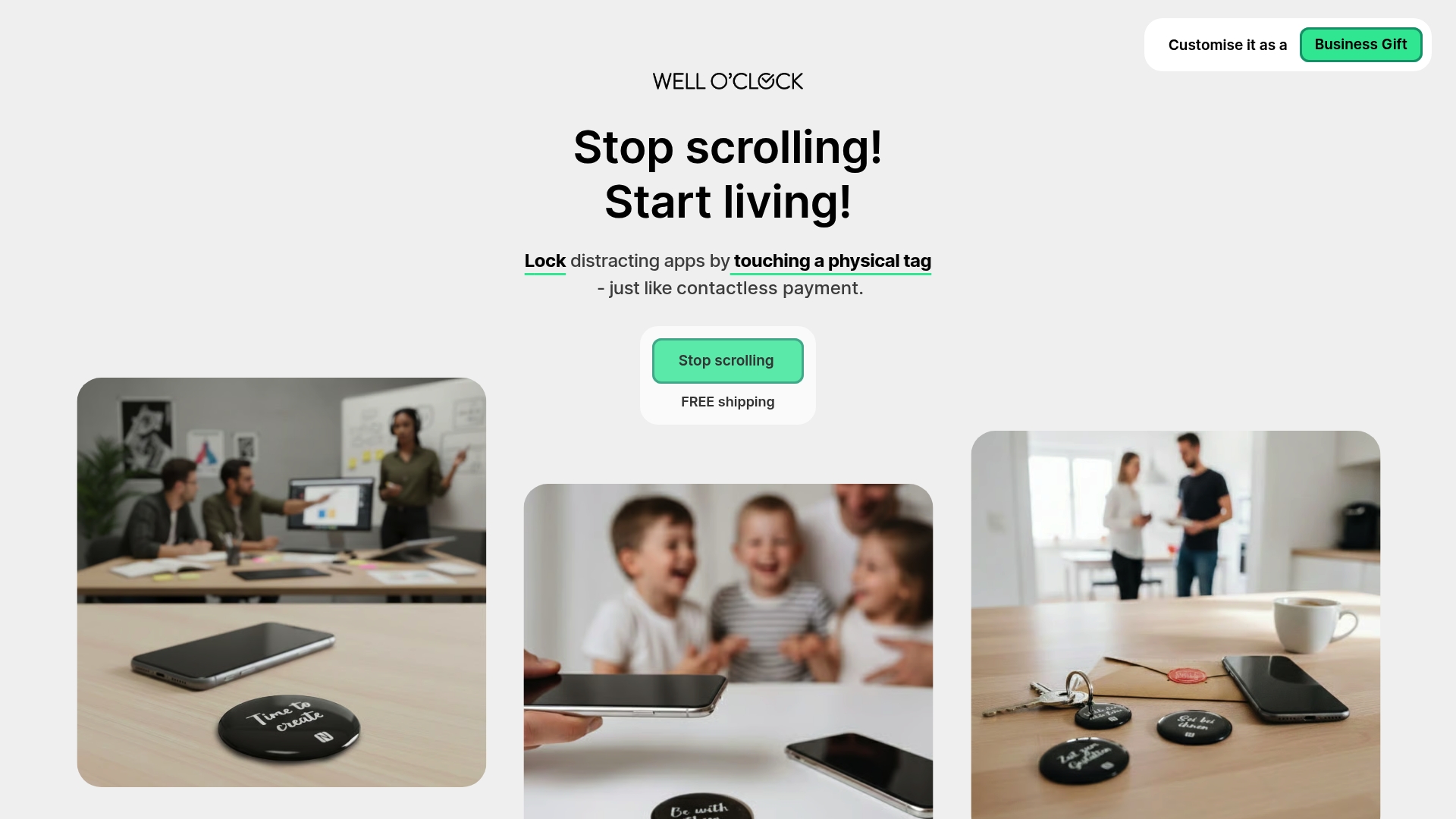
Explore the Well O'Clock blog for detailed guides on implementing sustainable digital habits. Whether you're struggling with constant notifications or seeking comprehensive lifestyle changes, you'll find actionable advice tailored to real-world challenges. Discover more natural screen time reduction tips that complement the productivity boosters covered in this guide, helping you build a personalized system that actually works.
Frequently asked questions
What is a digital detox and how long should it last?
A digital detox is a planned period when you intentionally reduce or eliminate screen time and digital device usage. For beginners, start with 24-hour detoxes on weekends. Research shows structured two-week detoxes paired with alternative activities deliver the strongest well-being improvements, but even daily one-hour breaks provide measurable benefits.
How does reducing notifications improve productivity?
Notifications fragment your attention and force constant context switching, which drains mental energy. Each alert triggers a stress response and breaks concentration, requiring several minutes to regain focus. Disabling non-essential notifications eliminates these interruptions, allowing sustained attention on important tasks and reducing overall stress levels throughout your day.
Can productivity boosters work for heavy digital users?
Yes, but implementation should be gradual. Heavy users benefit most from starting with notification management rather than attempting complete detoxes immediately. Begin by reducing interruptions, then slowly extend phone-free periods as your comfort grows. The key is building sustainable systems rather than relying on willpower alone to overcome deeply ingrained digital habits.
What risks are associated with extreme digital abstinence?
Total digital elimination often causes rebound anxiety, increased stress about missing important information, and paradoxically worse self-control when you return to normal usage. Extreme approaches don't teach sustainable digital management skills. Instead, they create an unhealthy all-or-nothing relationship with technology that's impossible to maintain long-term in our connected world.
How can I maintain gains after the initial digital detox?
Transition from temporary detox to permanent habit change by implementing ongoing systems. Keep notification settings minimal, maintain regular phone-free time blocks, and continue offline activities you discovered during detox. Review your screen time monthly and adjust strategies as needed. Focus on intentional technology use rather than arbitrary time limits for lasting productivity improvements.

Mak Kordić
Co founder
Mak Kordić is the founder and CEO of CNJ Digital, an agency based in Ljubljana, where he and his team develop UX/UI and digital products for demanding B2B projects. Over his career, he has led and co-created hundreds of digital solutions and worked with international clients.







Best productivity boosters to reduce screen time in 2026
Mak Kordić
,
March 31, 2026
Constant notifications, endless scrolling, and digital interruptions drain your mental energy and sabotage your focus. The average person spends over seven hours daily on screens, leaving little room for deep work or genuine rest. Reducing screen time isn't about abandoning technology entirely. It's about reclaiming control through proven productivity boosters that restore mental clarity, improve sleep quality, and help you accomplish what truly matters. This guide evaluates effective strategies to cut digital overload and boost your productivity sustainably.
Table of Contents
- How To Evaluate Productivity Boosters: Criteria For Effective Screen Time Reduction
- Top Productivity Boosters To Reduce Screen Time Effectively
- Comparing Productivity Boosters: Benefits, Challenges, And Suitability
- Choosing The Right Productivity Boosters For Your Lifestyle
- Enhance Your Productivity With Well O'Clock
How to evaluate productivity boosters: criteria for effective screen time reduction
Not all productivity strategies deliver equal results. The most effective boosters share specific characteristics that make them practical and sustainable for busy individuals seeking better focus.
First, any worthwhile approach must support your mental well-being and actively reduce stress rather than simply adding another task to your plate. Second, sustainability matters more than intensity. Extreme measures that demand total abstinence often fail because they're impossible to maintain long-term. Third, incorporating alternative offline activities gives your brain something meaningful to do instead of defaulting to screen time. Fourth, ease of implementation determines whether you'll actually stick with a strategy beyond the first week. Finally, successful productivity boosters rely on systems and tools rather than raw willpower alone.
Digital minimalism begins with the recognition that willpower alone is not a strategy. You need systems. Understanding screen time management principles helps you build frameworks that work automatically rather than requiring constant conscious effort.
Consider these evaluation criteria:
- Does it reduce stress and improve mental health outcomes?
- Can you maintain this approach for months, not just days?
- Does it include positive alternatives to replace screen habits?
- How difficult is the initial setup and daily maintenance?
- Does it provide external structure beyond personal discipline?
The best productivity boosters address the root causes of digital overload rather than fighting symptoms. They acknowledge that digital minimalism principles emphasize intentional technology use over complete elimination. Your goal is finding strategies that fit your lifestyle while delivering measurable improvements in focus and well-being.
Pro Tip: Test one productivity booster at a time for two weeks before adding another. This approach lets you accurately measure which strategies actually improve your focus and which ones just add complexity.
Top productivity boosters to reduce screen time effectively
Several evidence-backed strategies stand out for their ability to reduce screen time while enhancing productivity and mental clarity. Each offers unique benefits suited to different lifestyles and digital habits.
Scheduled digital detox periods create intentional breaks from technology. These structured intervals, ranging from a few hours daily to full weekends, allow your brain to reset and recover from constant digital stimulation. Smartphone screen time reduction improves mental health and sleep quality with moderate effects. The key is pairing detox time with engaging offline activities rather than simply avoiding screens.
Disabling non-essential notifications immediately reduces interruptions that fragment your attention. Most apps send alerts that aren't urgent or important. Reducing the number and frequency of notifications can reduce stress and boost wellbeing. This strategy requires minimal effort but delivers fast results.
Using minimalist digital toolkits involves ruthlessly eliminating redundant apps and digital tools. Keep only applications that serve clear purposes aligned with your goals. This approach prevents the overwhelming choice paralysis that comes from having dozens of apps competing for your attention.
Setting enforced no-phone zones or times creates physical and temporal boundaries. Designate specific locations like bedrooms or dining areas as phone-free spaces. Establish time blocks, such as the first hour after waking or the last hour before bed, when devices stay off.
Replacing screen time with offline enriching activities gives your brain better alternatives. Reading physical books, exercising, cooking, or engaging in hobbies provides the stimulation and satisfaction you typically seek from screens. Natural screen time reduction tips emphasize building positive habits rather than simply restricting negative ones.
Pro Tip: Combine notification management with scheduled detox periods for maximum impact. Start by silencing all non-essential alerts, then gradually extend your phone-free windows as the reduced interruptions make longer breaks feel natural.
Implementing these practical screen time tips creates a comprehensive approach that addresses multiple aspects of digital overload simultaneously.
Comparing productivity boosters: benefits, challenges, and suitability
Understanding how different productivity boosters stack up helps you choose strategies that match your specific needs and constraints.
A structured 2-week digital detox paired with alternative activities showed the largest improvements in well-being. This evidence supports combining multiple strategies rather than relying on a single approach.
However, balance matters. Extreme digital detoxes may cause rebound anxiety and loss of self-control. Going cold turkey often backfires because it doesn't address underlying habits or teach sustainable digital management skills.
Notification management offers the lowest barrier to entry. You can implement it in minutes and see immediate results. Digital minimalism requires more upfront work but creates lasting change by fundamentally shifting how you relate to technology. Scheduled detoxes work best when you've already reduced daily interruptions through notification control.
Pro Tip: Start with notification management to reduce daily stress, then add weekly mini-detoxes as your comfort with reduced screen time grows. This step by step screen time reduction approach builds momentum without overwhelming your existing routines.
The most effective strategy combines elements from multiple boosters tailored to your specific digital habits and productivity goals.
Choosing the right productivity boosters for your lifestyle
Selecting productivity boosters that actually work for you requires honest assessment of your current habits and realistic goal setting.
Start by tracking your typical screen usage patterns for one week. Note when you reach for your phone most frequently, which apps consume the most time, and how often interruptions break your focus. Employees report being truly productive only about 60 percent of their workday due to frequent interruptions. Understanding your personal patterns reveals where interventions will have the greatest impact.
Follow this implementation sequence:
1. Begin with notification reduction by disabling all non-essential alerts and keeping only critical communications active.
2. Add scheduled mini-detoxes starting with just one hour daily, gradually extending as comfort increases.
3. Incorporate at least two offline activities you genuinely enjoy to replace default scrolling time.
4. Apply digital minimalism principles by removing redundant apps and consolidating tools monthly.
5. Review and adjust your strategies every four weeks based on actual productivity and well-being changes.
Your work demands and personal circumstances determine which boosters fit best. Remote workers benefit most from strict no-phone zones during deep work blocks. Parents might prioritize evening device-free family time. Students often see the biggest gains from notification management during study sessions.
The smart workflow guide provides detailed frameworks for integrating these strategies into existing routines without disrupting essential technology use.
Avoid the perfectionism trap. Missing a scheduled detox or checking your phone during a no-screen window doesn't mean failure. Sustainable productivity improvement comes from consistent effort over time, not flawless execution. Adjust strategies that aren't working rather than abandoning the entire approach.
Consider your mental health needs carefully. If you experience significant anxiety about disconnecting, start with shorter intervals and ensure you have support systems in place. The goal is reducing harmful screen time while maintaining beneficial digital connections that support your well-being and productivity.
Enhance your productivity with Well O'Clock
Managing screen time effectively requires more than good intentions. Well O'Clock provides practical tools and expert-backed strategies designed specifically for individuals serious about reclaiming their focus and mental clarity. The platform combines physical NFC tags with mobile app integration, creating tangible interruption points that break autopilot phone habits.
Explore the Well O'Clock blog for detailed guides on implementing sustainable digital habits. Whether you're struggling with constant notifications or seeking comprehensive lifestyle changes, you'll find actionable advice tailored to real-world challenges. Discover more natural screen time reduction tips that complement the productivity boosters covered in this guide, helping you build a personalized system that actually works.
Frequently asked questions
What is a digital detox and how long should it last?
A digital detox is a planned period when you intentionally reduce or eliminate screen time and digital device usage. For beginners, start with 24-hour detoxes on weekends. Research shows structured two-week detoxes paired with alternative activities deliver the strongest well-being improvements, but even daily one-hour breaks provide measurable benefits.
How does reducing notifications improve productivity?
Notifications fragment your attention and force constant context switching, which drains mental energy. Each alert triggers a stress response and breaks concentration, requiring several minutes to regain focus. Disabling non-essential notifications eliminates these interruptions, allowing sustained attention on important tasks and reducing overall stress levels throughout your day.
Can productivity boosters work for heavy digital users?
Yes, but implementation should be gradual. Heavy users benefit most from starting with notification management rather than attempting complete detoxes immediately. Begin by reducing interruptions, then slowly extend phone-free periods as your comfort grows. The key is building sustainable systems rather than relying on willpower alone to overcome deeply ingrained digital habits.
What risks are associated with extreme digital abstinence?
Total digital elimination often causes rebound anxiety, increased stress about missing important information, and paradoxically worse self-control when you return to normal usage. Extreme approaches don't teach sustainable digital management skills. Instead, they create an unhealthy all-or-nothing relationship with technology that's impossible to maintain long-term in our connected world.
How can I maintain gains after the initial digital detox?
Transition from temporary detox to permanent habit change by implementing ongoing systems. Keep notification settings minimal, maintain regular phone-free time blocks, and continue offline activities you discovered during detox. Review your screen time monthly and adjust strategies as needed. Focus on intentional technology use rather than arbitrary time limits for lasting productivity improvements.
Mak Kordić
Co founder
Mak Kordić is the founder and CEO of CNJ Digital, an agency based in Ljubljana, where he and his team develop UX/UI and digital products for demanding B2B projects. Over his career, he has led and co-created hundreds of digital solutions and worked with international clients.
Best productivity boosters to reduce screen time in 2026
Mak Kordić
,
March 31, 2026
Constant notifications, endless scrolling, and digital interruptions drain your mental energy and sabotage your focus. The average person spends over seven hours daily on screens, leaving little room for deep work or genuine rest. Reducing screen time isn't about abandoning technology entirely. It's about reclaiming control through proven productivity boosters that restore mental clarity, improve sleep quality, and help you accomplish what truly matters. This guide evaluates effective strategies to cut digital overload and boost your productivity sustainably.
Table of Contents
- How To Evaluate Productivity Boosters: Criteria For Effective Screen Time Reduction
- Top Productivity Boosters To Reduce Screen Time Effectively
- Comparing Productivity Boosters: Benefits, Challenges, And Suitability
- Choosing The Right Productivity Boosters For Your Lifestyle
- Enhance Your Productivity With Well O'Clock
How to evaluate productivity boosters: criteria for effective screen time reduction
Not all productivity strategies deliver equal results. The most effective boosters share specific characteristics that make them practical and sustainable for busy individuals seeking better focus.
First, any worthwhile approach must support your mental well-being and actively reduce stress rather than simply adding another task to your plate. Second, sustainability matters more than intensity. Extreme measures that demand total abstinence often fail because they're impossible to maintain long-term. Third, incorporating alternative offline activities gives your brain something meaningful to do instead of defaulting to screen time. Fourth, ease of implementation determines whether you'll actually stick with a strategy beyond the first week. Finally, successful productivity boosters rely on systems and tools rather than raw willpower alone.
Digital minimalism begins with the recognition that willpower alone is not a strategy. You need systems. Understanding screen time management principles helps you build frameworks that work automatically rather than requiring constant conscious effort.
Consider these evaluation criteria:
- Does it reduce stress and improve mental health outcomes?
- Can you maintain this approach for months, not just days?
- Does it include positive alternatives to replace screen habits?
- How difficult is the initial setup and daily maintenance?
- Does it provide external structure beyond personal discipline?
The best productivity boosters address the root causes of digital overload rather than fighting symptoms. They acknowledge that digital minimalism principles emphasize intentional technology use over complete elimination. Your goal is finding strategies that fit your lifestyle while delivering measurable improvements in focus and well-being.
Pro Tip: Test one productivity booster at a time for two weeks before adding another. This approach lets you accurately measure which strategies actually improve your focus and which ones just add complexity.
Top productivity boosters to reduce screen time effectively
Several evidence-backed strategies stand out for their ability to reduce screen time while enhancing productivity and mental clarity. Each offers unique benefits suited to different lifestyles and digital habits.
Scheduled digital detox periods create intentional breaks from technology. These structured intervals, ranging from a few hours daily to full weekends, allow your brain to reset and recover from constant digital stimulation. Smartphone screen time reduction improves mental health and sleep quality with moderate effects. The key is pairing detox time with engaging offline activities rather than simply avoiding screens.
Disabling non-essential notifications immediately reduces interruptions that fragment your attention. Most apps send alerts that aren't urgent or important. Reducing the number and frequency of notifications can reduce stress and boost wellbeing. This strategy requires minimal effort but delivers fast results.
Using minimalist digital toolkits involves ruthlessly eliminating redundant apps and digital tools. Keep only applications that serve clear purposes aligned with your goals. This approach prevents the overwhelming choice paralysis that comes from having dozens of apps competing for your attention.
Setting enforced no-phone zones or times creates physical and temporal boundaries. Designate specific locations like bedrooms or dining areas as phone-free spaces. Establish time blocks, such as the first hour after waking or the last hour before bed, when devices stay off.
Replacing screen time with offline enriching activities gives your brain better alternatives. Reading physical books, exercising, cooking, or engaging in hobbies provides the stimulation and satisfaction you typically seek from screens. Natural screen time reduction tips emphasize building positive habits rather than simply restricting negative ones.
Pro Tip: Combine notification management with scheduled detox periods for maximum impact. Start by silencing all non-essential alerts, then gradually extend your phone-free windows as the reduced interruptions make longer breaks feel natural.
Implementing these practical screen time tips creates a comprehensive approach that addresses multiple aspects of digital overload simultaneously.
Comparing productivity boosters: benefits, challenges, and suitability
Understanding how different productivity boosters stack up helps you choose strategies that match your specific needs and constraints.
A structured 2-week digital detox paired with alternative activities showed the largest improvements in well-being. This evidence supports combining multiple strategies rather than relying on a single approach.
However, balance matters. Extreme digital detoxes may cause rebound anxiety and loss of self-control. Going cold turkey often backfires because it doesn't address underlying habits or teach sustainable digital management skills.
Notification management offers the lowest barrier to entry. You can implement it in minutes and see immediate results. Digital minimalism requires more upfront work but creates lasting change by fundamentally shifting how you relate to technology. Scheduled detoxes work best when you've already reduced daily interruptions through notification control.
Pro Tip: Start with notification management to reduce daily stress, then add weekly mini-detoxes as your comfort with reduced screen time grows. This step by step screen time reduction approach builds momentum without overwhelming your existing routines.
The most effective strategy combines elements from multiple boosters tailored to your specific digital habits and productivity goals.
Choosing the right productivity boosters for your lifestyle
Selecting productivity boosters that actually work for you requires honest assessment of your current habits and realistic goal setting.
Start by tracking your typical screen usage patterns for one week. Note when you reach for your phone most frequently, which apps consume the most time, and how often interruptions break your focus. Employees report being truly productive only about 60 percent of their workday due to frequent interruptions. Understanding your personal patterns reveals where interventions will have the greatest impact.
Follow this implementation sequence:
1. Begin with notification reduction by disabling all non-essential alerts and keeping only critical communications active.
2. Add scheduled mini-detoxes starting with just one hour daily, gradually extending as comfort increases.
3. Incorporate at least two offline activities you genuinely enjoy to replace default scrolling time.
4. Apply digital minimalism principles by removing redundant apps and consolidating tools monthly.
5. Review and adjust your strategies every four weeks based on actual productivity and well-being changes.
Your work demands and personal circumstances determine which boosters fit best. Remote workers benefit most from strict no-phone zones during deep work blocks. Parents might prioritize evening device-free family time. Students often see the biggest gains from notification management during study sessions.
The smart workflow guide provides detailed frameworks for integrating these strategies into existing routines without disrupting essential technology use.
Avoid the perfectionism trap. Missing a scheduled detox or checking your phone during a no-screen window doesn't mean failure. Sustainable productivity improvement comes from consistent effort over time, not flawless execution. Adjust strategies that aren't working rather than abandoning the entire approach.
Consider your mental health needs carefully. If you experience significant anxiety about disconnecting, start with shorter intervals and ensure you have support systems in place. The goal is reducing harmful screen time while maintaining beneficial digital connections that support your well-being and productivity.
Enhance your productivity with Well O'Clock
Managing screen time effectively requires more than good intentions. Well O'Clock provides practical tools and expert-backed strategies designed specifically for individuals serious about reclaiming their focus and mental clarity. The platform combines physical NFC tags with mobile app integration, creating tangible interruption points that break autopilot phone habits.
Explore the Well O'Clock blog for detailed guides on implementing sustainable digital habits. Whether you're struggling with constant notifications or seeking comprehensive lifestyle changes, you'll find actionable advice tailored to real-world challenges. Discover more natural screen time reduction tips that complement the productivity boosters covered in this guide, helping you build a personalized system that actually works.
Frequently asked questions
What is a digital detox and how long should it last?
A digital detox is a planned period when you intentionally reduce or eliminate screen time and digital device usage. For beginners, start with 24-hour detoxes on weekends. Research shows structured two-week detoxes paired with alternative activities deliver the strongest well-being improvements, but even daily one-hour breaks provide measurable benefits.
How does reducing notifications improve productivity?
Notifications fragment your attention and force constant context switching, which drains mental energy. Each alert triggers a stress response and breaks concentration, requiring several minutes to regain focus. Disabling non-essential notifications eliminates these interruptions, allowing sustained attention on important tasks and reducing overall stress levels throughout your day.
Can productivity boosters work for heavy digital users?
Yes, but implementation should be gradual. Heavy users benefit most from starting with notification management rather than attempting complete detoxes immediately. Begin by reducing interruptions, then slowly extend phone-free periods as your comfort grows. The key is building sustainable systems rather than relying on willpower alone to overcome deeply ingrained digital habits.
What risks are associated with extreme digital abstinence?
Total digital elimination often causes rebound anxiety, increased stress about missing important information, and paradoxically worse self-control when you return to normal usage. Extreme approaches don't teach sustainable digital management skills. Instead, they create an unhealthy all-or-nothing relationship with technology that's impossible to maintain long-term in our connected world.
How can I maintain gains after the initial digital detox?
Transition from temporary detox to permanent habit change by implementing ongoing systems. Keep notification settings minimal, maintain regular phone-free time blocks, and continue offline activities you discovered during detox. Review your screen time monthly and adjust strategies as needed. Focus on intentional technology use rather than arbitrary time limits for lasting productivity improvements.
Mak Kordić
Co founder
Mak Kordić is the founder and CEO of CNJ Digital, an agency based in Ljubljana, where he and his team develop UX/UI and digital products for demanding B2B projects. Over his career, he has led and co-created hundreds of digital solutions and worked with international clients.