
Step by step productivity improvement: reduce screen time
Mak Kordić
,
March 13, 2026


Screen time sneaks into every moment, fragmenting your focus and draining your mental energy. You reach for your phone automatically, then wonder why you feel foggy and overwhelmed by day's end. This guide walks you through a practical, step by step system to reclaim your attention, boost productivity, and restore mental clarity by cutting screen time progressively without feeling deprived.
Table of Contents
- Why Productivity Improvement Starts With Screen Time Reduction
- Prerequisites And Preparation: Setting Up For Success
- Core Steps For Reducing Screen Time Systematically
- Using Physical Tools To Interrupt Phone Usage: Nfc Tags And App Locks
- Common Mistakes And Troubleshooting
- Expected Results And Outcomes: What To Expect And When
- Alternative Approaches And Their Tradeoffs
- Discover Tools To Support Your Screen Time Reduction Journey
- Frequently Asked Questions
Why productivity improvement starts with screen time reduction
Your phone wasn't designed to help you focus. Every notification, every scroll, every app open chips away at your cognitive reserves. Excessive screen time disrupts sleep and focus, driving cognitive fatigue that makes even simple tasks feel monumental. The science is clear: blue light suppresses melatonin production, pushing your sleep cycle later and degrading sleep quality. Poor sleep cascades into poor focus, which triggers more digital distraction as you hunt for dopamine hits to compensate.
Reducing screen time isn't about deprivation. It's about reclaiming the mental bandwidth you need for deep work. When you cut distracting phone use, your brain gets the recovery time it needs to process information, consolidate memories, and restore attention reserves. Studies show that professionals who reduce screen time by just 30% report sharper thinking, faster task completion, and better decision making. The impact isn't subtle.
Here's what changes when you reduce screen time:
- Mental clarity improves as your brain processes fewer interruptions per hour
- Sleep quality rises when blue light exposure drops in evening hours
- Focus duration extends as you rebuild attention muscle through practice
- Productivity spikes because you spend more time in flow states
Understanding why breaking screen addiction matters for mental clarity helps you commit to the process. Research on screen time and mental clarity confirms that digital distraction isn't a minor annoyance but a major barrier to cognitive performance.
Prerequisites and preparation: Setting up for success
You can't win a battle without the right tools. Before you start cutting screen time, gather physical and digital resources that make success inevitable. The most effective approach combines technology with environmental design.
Start with physical NFC tags. These small devices work with app-locking software to create a tangible barrier between you and distracting apps. When you tap the tag, your phone locks specific apps, forcing a conscious decision to unlock them later. This simple friction breaks autopilot behavior. Pair NFC tags with built-in focus modes on your phone to create layered defenses.
Next, redesign your physical environment. Charging phones outside bedrooms improves sleep quality by removing temptation during vulnerable evening and morning hours. Create a charging station in your kitchen, living room, or hallway, anywhere but where you sleep or do focused work. This single change eliminates the biggest source of evening screen time.
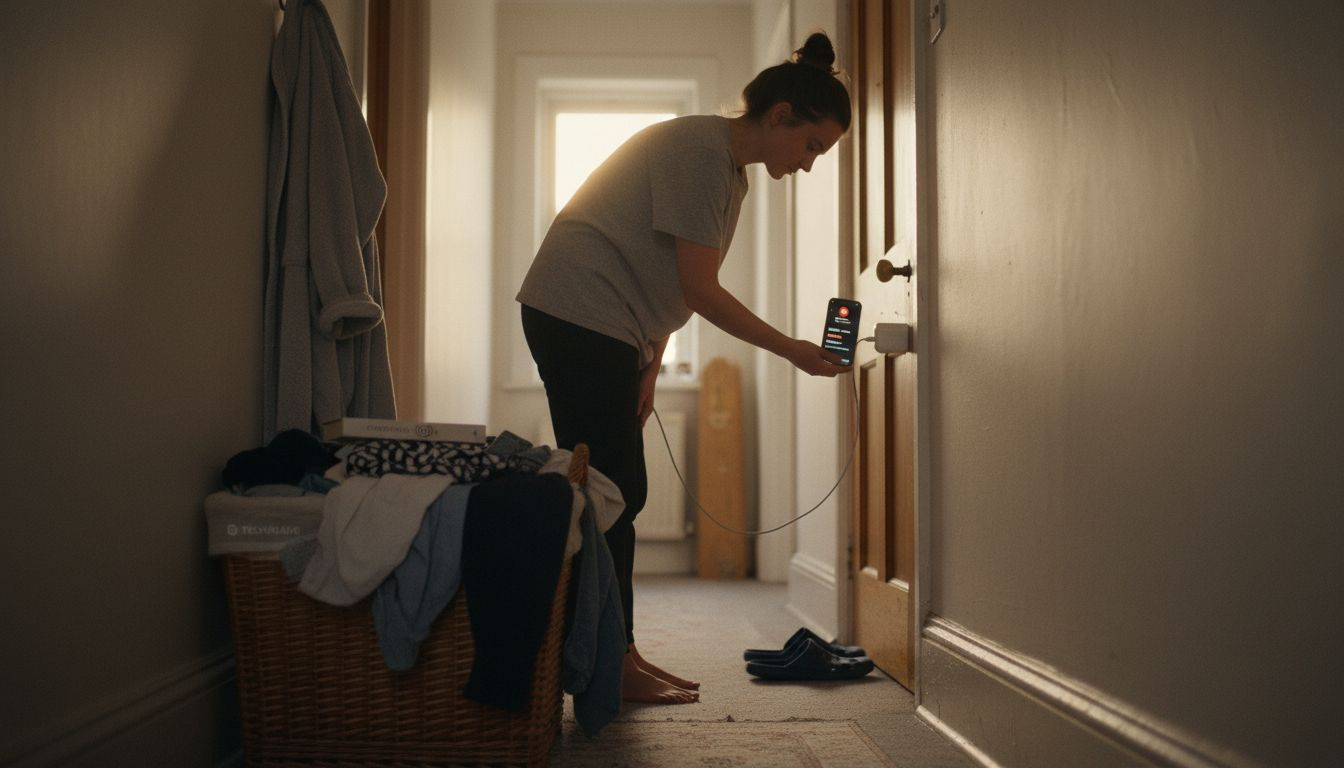
Set gradual, specific goals. Don't aim to cut screen time by 80% in week one. Start with 15 minutes less per day, then build from there. Communicate your boundaries to family and coworkers so they understand why you're less responsive. Social support matters. People who share their goals with others have higher success rates.
Pro Tip: Place NFC tags in high-temptation zones like your nightstand, desk, and couch. The visual reminder alone reduces automatic reaching.
Mental readiness matters as much as tools. Accept that the first week will feel uncomfortable. Your brain craves the dopamine hits from notifications and scrolling. That discomfort is temporary. Following proven screen time reduction tips helps you navigate the transition. This practical guide offers additional strategies for families and busy professionals.
Core steps for reducing screen time systematically
Now you're ready for the method. This step by step process combines behavioral psychology with digital tools to create lasting change.
1. Measure your baseline. Use your phone's built-in screen time tracker for three days. Don't change anything yet, just observe. You need honest data about your current usage patterns, including which apps consume the most time and when you use your phone most.
2. Identify your trigger apps. Look at the data and circle your top three time wasters. For most people, these are social media, news apps, or games. These apps will be your primary targets.
3. Start with 10-15 minute reductions. Pick one time block per day to go screen-free. Morning coffee, lunch break, or the first 30 minutes after work are ideal. During this time, put your phone in another room or use an NFC tag to lock trigger apps.
4. Enable digital minimalism tools. Turn on grayscale mode to make your screen less appealing. Set app timers that notify you after 15 minutes of use. Activate focus modes that silence non-essential notifications. Incremental screen-free periods and focus modes reduce distracting phone usage by around 30%.
5. Use NFC tags strategically. Place tags where you're most likely to mindlessly grab your phone. Tap the tag when you start a focus block. The physical action reinforces your intention and creates a stronger commitment than software alone.
6. Replace screen time with preferred activities. Don't just eliminate phone use, substitute it with something you enjoy. Read a book, take a walk, practice an instrument, or have a conversation. Your brain needs a better option, not just a void.
7. Gradually increase screen-free blocks. Each week, add 5-10 minutes to your screen-free periods or add a second time block. Slow progression prevents overwhelm and builds sustainable habits.
Pro Tip: Pair your screen time reduction with a positive reward. Treat yourself to good coffee, a favorite snack, or 10 minutes of a hobby after completing a screen-free block.
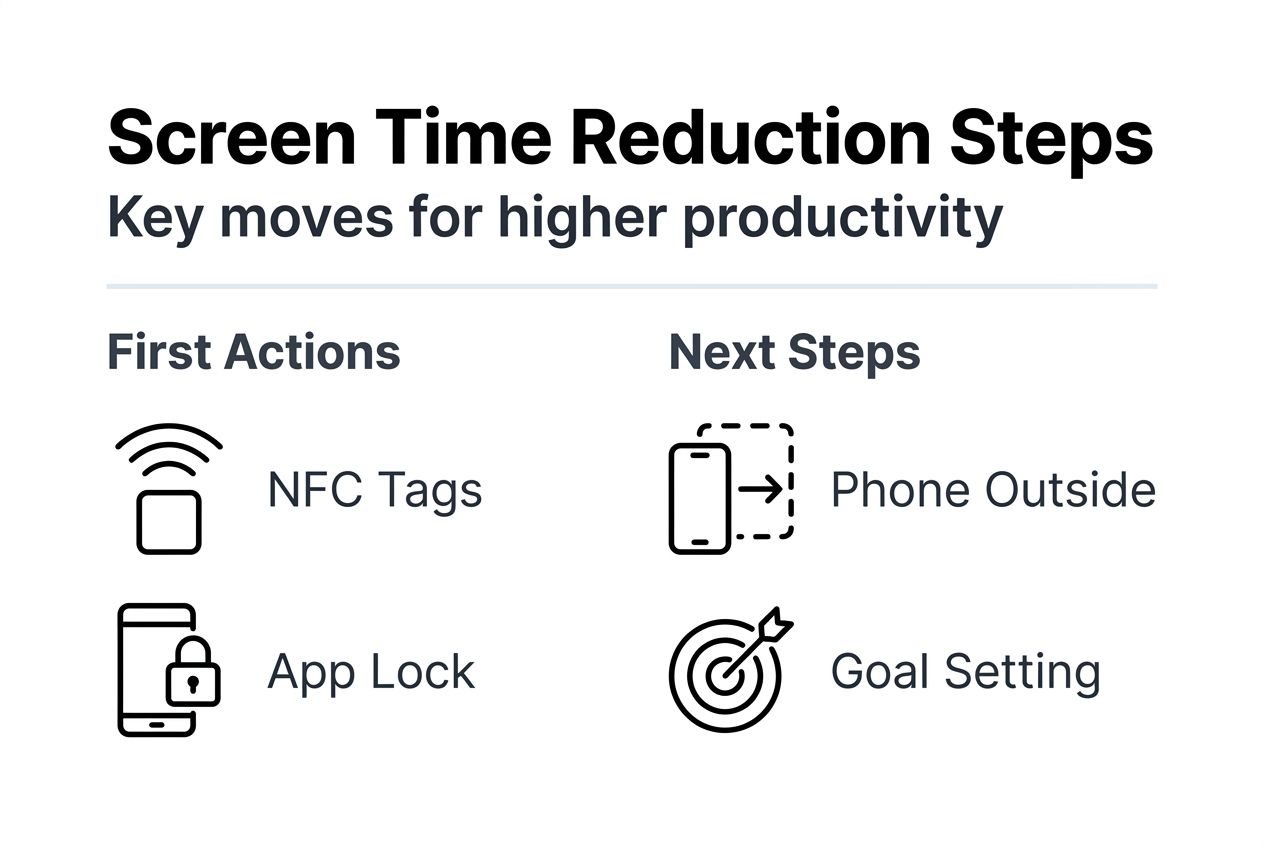
Digital minimalism wins for long-term adherence because it doesn't require you to abandon essential communication tools. You can reduce screen time naturally while maintaining work productivity. Research shows you can boost productivity by 31% with screen time reduction when you apply these methods consistently. This mindful phone use guide provides additional family-friendly strategies.
Using physical tools to interrupt phone usage: NFC tags and app locks
Software locks fail because they live on the device you're trying to avoid. Physical tools work because they exist outside your phone, creating real-world friction that digital barriers can't match.
NFC tags are small, programmable chips you can stick anywhere. When you tap your phone against the tag, it triggers a pre-set action, like locking Instagram, Twitter, and TikTok simultaneously. The beauty is in the physicality. You must get up, walk to the tag, and make a deliberate tap. This breaks the autopilot loop that drives 70% of phone checking.
Here's how to use them effectively:
- Place tags at decision points where you typically grab your phone without thinking
- Program each tag for specific contexts: work focus tag locks social media, evening tag locks all non-essential apps
- Customize unlock conditions: require a second tag tap after 30 minutes or completion of a task
- Combine with built-in focus modes so multiple barriers reinforce each other
NFC tags provide tangible physical cues that improve adherence beyond software-only approaches. The tactile interaction creates a stronger psychological commitment than tapping a digital button. When you physically tap a tag, you're making a visible promise to yourself.
Pro Tip: Keep your NFC tags visible on desks, countertops, and nightstands. The visual reminder alone reduces unconscious phone reaching by up to 40%, even before you tap them.
App locks complement NFC tags by adding a second layer. Set time-based locks that prevent access to distracting apps during your designated focus hours. When willpower fades, the lock holds firm. This combination of physical tags and digital locks creates the strongest defense against automatic phone use. Developing mindful tech habits becomes easier when your environment supports your intentions.
Common mistakes and troubleshooting
Most people fail at screen time reduction for predictable reasons. Knowing the pitfalls helps you avoid them.
The biggest mistake is setting unrealistic goals. You can't go from six hours of daily screen time to one hour overnight. Your brain will rebel, triggering intense cravings and irritability. 60% of beginners fail due to overly ambitious goals and ignoring environment or social boundaries. Start small. Aim for 10% reduction in week one, not 50%.
Second, people neglect physical boundaries. Keeping your phone on your nightstand or desk guarantees failure. You need physical distance during vulnerable moments. Create charging stations in neutral zones and communicate your boundaries clearly to family and coworkers. When others understand your goals, they're less likely to feel ignored when you don't respond instantly.
Third, abrupt cuts cause withdrawal symptoms. Abrupt screen time cuts cause withdrawal symptoms in up to 20% of users, including anxiety, restlessness, and irritability. Gradual reduction lets your brain adjust its dopamine baseline naturally. If you feel anxious or jittery, slow your reduction pace by 50% and add more substitute activities.
Pro Tip: Find an accountability partner who's also reducing screen time. Share daily check-ins and celebrate small wins together. Social support doubles your success rate.
Here are warning signs you're pushing too hard:
- Intense anxiety or panic when away from your phone
- Physical symptoms like headaches or muscle tension
- Difficulty sleeping despite reduced evening screen time
- Irritability that disrupts relationships or work
If you experience these, pause your reduction for three days, then resume at a gentler pace. Building mindful tech habits for wellness requires patience and self-compassion.
" The most sustainable change comes from progress, not perfection. Small, consistent reductions beat dramatic short-term cuts every time. "
Expected results and outcomes: What to expect and when
You're investing time and effort into this process. Here's what you'll get in return.
Improved productivity and mental clarity typically appear within 2-4 weeks of consistent practice. The first week feels hardest as your brain adjusts to lower dopamine stimulation. By week two, you'll notice longer stretches of uninterrupted focus. Week three brings better sleep quality as your circadian rhythm stabilizes. By week four, productivity gains become undeniable.
Quantitative benefits include:
- Focus duration increases from 15-20 minutes to 45-60 minutes per session
- Sleep onset time drops by 15-30 minutes as melatonin production normalizes
- Task completion speed improves by 25-35% for cognitively demanding work
- Subjective stress and anxiety levels decrease by 30-40% in self-reports
Long-term, these gains compound. After three months, many people report feeling like they've reclaimed hours of productive time each day. The clarity and energy you gain translate directly into better work output, deeper relationships, and more enjoyment in offline activities. Exploring the key benefits of reduced screen time helps you appreciate the full scope of improvement.
Maintaining these benefits requires ongoing effort but becomes easier as new habits solidify. Your brain rewires itself to prefer focused work and real-world interactions over digital distraction. The discomfort you felt in week one fades completely by month three.
Alternative approaches and their tradeoffs
The gradual digital minimalism approach outlined here isn't the only option. Understanding alternatives helps you choose what fits your life.
Complete digital detox involves eliminating nearly all screen time for a defined period, typically one to two weeks. You turn off your phone, avoid computers outside essential work tasks, and go fully analog. This approach delivers rapid, dramatic results: 80-90% screen time reduction immediately. However, it's disruptive, often impossible for professionals who need digital tools for work, and carries high risk of rebound binge behavior when the detox ends.
When to choose each approach:
- Digital detox works best for short resets during vacations or sabbaticals when you can fully disconnect without professional consequences
- Digital minimalism suits busy professionals, parents, and anyone who needs to maintain communication and work productivity while improving focus
- Hybrid approaches combine both: do a 2-week detox to reset, then transition to digital minimalism for maintenance
Your choice depends on your current life demands and personality. If you thrive on dramatic change and can afford disruption, detox may work. If you need sustainable, work-compatible improvement, minimalism wins. Most people find that the gradual approach creates lasting change while avoiding the shock and rebound effects of cold turkey elimination.
Discover tools to support your screen time reduction journey
You've learned the method. Now you need the tools to make it effortless.
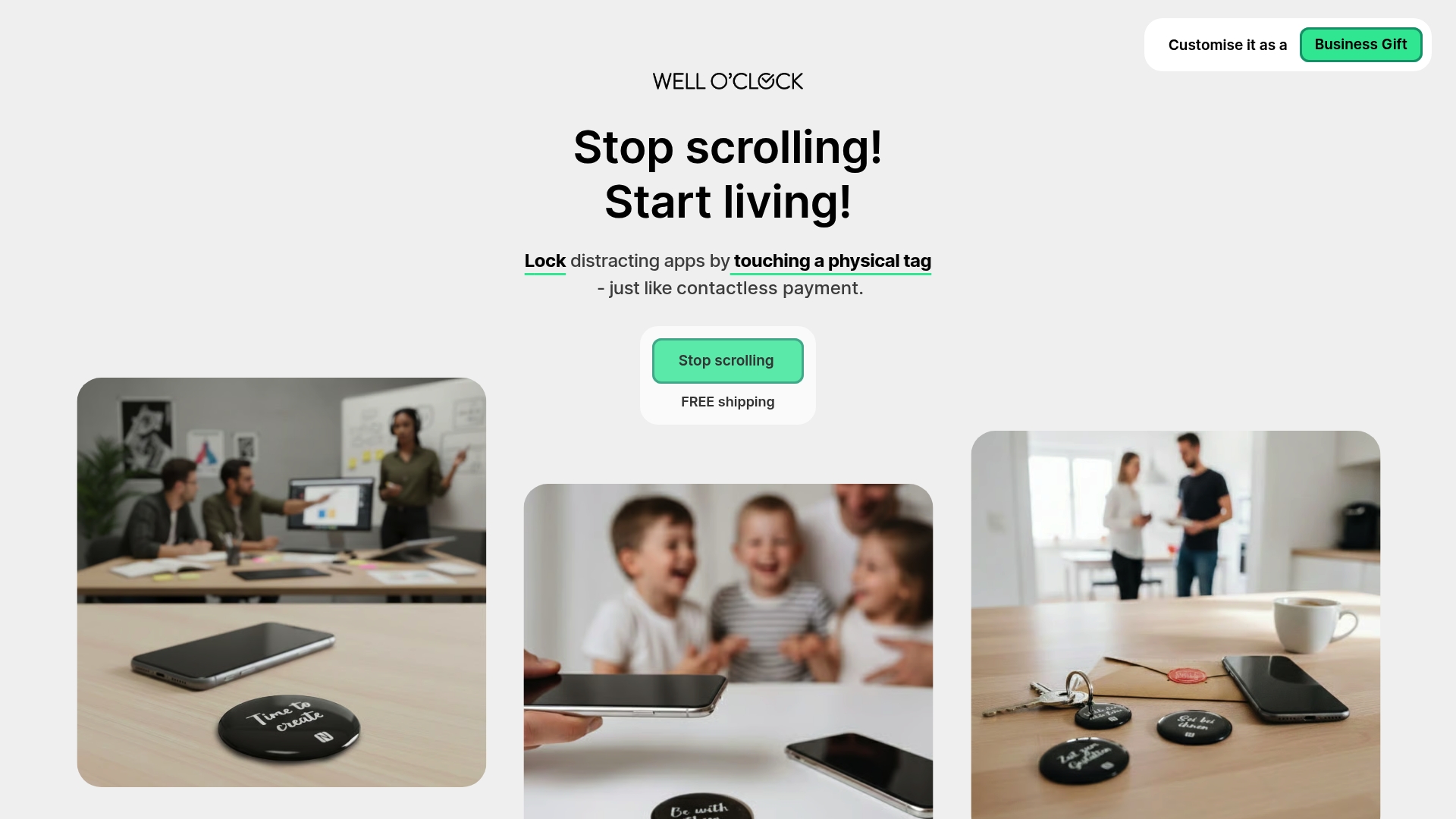
Well O'clock provides everything you need to implement digital minimalism effectively. Our physical NFC tag kits integrate seamlessly with popular app-locking software, giving you the tactile interruption that breaks autopilot phone habits. Unlike purely digital solutions, our system lives outside your phone, creating real-world friction that makes conscious phone use the default.
The platform includes user-friendly focus tools that complement your NFC tags, plus community support to help you sustain new habits when motivation dips. Whether you're a professional seeking sharper focus or a parent wanting healthier family tech habits, Well O'clock transforms screen time reduction from a daily struggle into an automatic system.
Frequently asked questions
How quickly can I expect productivity improvement?
You'll notice initial gains within 5-7 days as your brain begins recovering from constant distraction. Significant improvements in focus duration and task completion speed typically appear by week two or three. By week four, most people report 30-40% productivity increases and substantially improved mental clarity that feels sustainable.
Are NFC tags effective for heavy phone users?
Yes, especially for heavy users who struggle with automatic phone checking. The physical tap creates a stronger psychological barrier than software alone, making it harder to unlock apps on autopilot. Studies show that adding physical tools to digital strategies improves adherence rates by 40-60% compared to software-only approaches, even for people spending 6+ hours daily on their phones.
What if I feel anxious reducing screen time?
Mild anxiety is normal during the first week as your brain adjusts to lower dopamine stimulation. If anxiety feels overwhelming, slow your reduction pace by 50% and add more substitute activities you enjoy. About 20% of people experience withdrawal symptoms with abrupt cuts, so gradual reduction is critical. Consider working with an accountability partner or therapist if anxiety persists beyond two weeks.
Can digital detox harm professional work?
Complete digital detox can disrupt work requiring constant communication or digital tools. That's why digital minimalism is better for most professionals: you selectively reduce distracting apps while maintaining essential work tools. If your job requires frequent email or messaging, focus on eliminating social media and entertainment apps rather than all screen time. The goal is removing unproductive distractions, not abandoning necessary technology.
How do I maintain reduced screen time long term?
Maintenance requires ongoing environmental design and social support. Keep physical boundaries like charging stations in place permanently. Continue using NFC tags and focus modes even after habits feel automatic, as they prevent backsliding during stressful periods. Schedule monthly reviews of your screen time data to catch gradual increases early. Join communities focused on digital wellness to maintain motivation and share strategies with others pursuing similar goals.

Mak Kordić
Co founder
Mak Kordić is the founder and CEO of CNJ Digital, an agency based in Ljubljana, where he and his team develop UX/UI and digital products for demanding B2B projects. Over his career, he has led and co-created hundreds of digital solutions and worked with international clients.








Step by step productivity improvement: reduce screen time
Mak Kordić
,
March 13, 2026
Screen time sneaks into every moment, fragmenting your focus and draining your mental energy. You reach for your phone automatically, then wonder why you feel foggy and overwhelmed by day's end. This guide walks you through a practical, step by step system to reclaim your attention, boost productivity, and restore mental clarity by cutting screen time progressively without feeling deprived.
Table of Contents
- Why Productivity Improvement Starts With Screen Time Reduction
- Prerequisites And Preparation: Setting Up For Success
- Core Steps For Reducing Screen Time Systematically
- Using Physical Tools To Interrupt Phone Usage: Nfc Tags And App Locks
- Common Mistakes And Troubleshooting
- Expected Results And Outcomes: What To Expect And When
- Alternative Approaches And Their Tradeoffs
- Discover Tools To Support Your Screen Time Reduction Journey
- Frequently Asked Questions
Why productivity improvement starts with screen time reduction
Your phone wasn't designed to help you focus. Every notification, every scroll, every app open chips away at your cognitive reserves. Excessive screen time disrupts sleep and focus, driving cognitive fatigue that makes even simple tasks feel monumental. The science is clear: blue light suppresses melatonin production, pushing your sleep cycle later and degrading sleep quality. Poor sleep cascades into poor focus, which triggers more digital distraction as you hunt for dopamine hits to compensate.
Reducing screen time isn't about deprivation. It's about reclaiming the mental bandwidth you need for deep work. When you cut distracting phone use, your brain gets the recovery time it needs to process information, consolidate memories, and restore attention reserves. Studies show that professionals who reduce screen time by just 30% report sharper thinking, faster task completion, and better decision making. The impact isn't subtle.
Here's what changes when you reduce screen time:
- Mental clarity improves as your brain processes fewer interruptions per hour
- Sleep quality rises when blue light exposure drops in evening hours
- Focus duration extends as you rebuild attention muscle through practice
- Productivity spikes because you spend more time in flow states
Understanding why breaking screen addiction matters for mental clarity helps you commit to the process. Research on screen time and mental clarity confirms that digital distraction isn't a minor annoyance but a major barrier to cognitive performance.
Prerequisites and preparation: Setting up for success
You can't win a battle without the right tools. Before you start cutting screen time, gather physical and digital resources that make success inevitable. The most effective approach combines technology with environmental design.
Start with physical NFC tags. These small devices work with app-locking software to create a tangible barrier between you and distracting apps. When you tap the tag, your phone locks specific apps, forcing a conscious decision to unlock them later. This simple friction breaks autopilot behavior. Pair NFC tags with built-in focus modes on your phone to create layered defenses.
Next, redesign your physical environment. Charging phones outside bedrooms improves sleep quality by removing temptation during vulnerable evening and morning hours. Create a charging station in your kitchen, living room, or hallway, anywhere but where you sleep or do focused work. This single change eliminates the biggest source of evening screen time.
Set gradual, specific goals. Don't aim to cut screen time by 80% in week one. Start with 15 minutes less per day, then build from there. Communicate your boundaries to family and coworkers so they understand why you're less responsive. Social support matters. People who share their goals with others have higher success rates.
Pro Tip: Place NFC tags in high-temptation zones like your nightstand, desk, and couch. The visual reminder alone reduces automatic reaching.
Mental readiness matters as much as tools. Accept that the first week will feel uncomfortable. Your brain craves the dopamine hits from notifications and scrolling. That discomfort is temporary. Following proven screen time reduction tips helps you navigate the transition. This practical guide offers additional strategies for families and busy professionals.
Core steps for reducing screen time systematically
Now you're ready for the method. This step by step process combines behavioral psychology with digital tools to create lasting change.
1. Measure your baseline. Use your phone's built-in screen time tracker for three days. Don't change anything yet, just observe. You need honest data about your current usage patterns, including which apps consume the most time and when you use your phone most.
2. Identify your trigger apps. Look at the data and circle your top three time wasters. For most people, these are social media, news apps, or games. These apps will be your primary targets.
3. Start with 10-15 minute reductions. Pick one time block per day to go screen-free. Morning coffee, lunch break, or the first 30 minutes after work are ideal. During this time, put your phone in another room or use an NFC tag to lock trigger apps.
4. Enable digital minimalism tools. Turn on grayscale mode to make your screen less appealing. Set app timers that notify you after 15 minutes of use. Activate focus modes that silence non-essential notifications. Incremental screen-free periods and focus modes reduce distracting phone usage by around 30%.
5. Use NFC tags strategically. Place tags where you're most likely to mindlessly grab your phone. Tap the tag when you start a focus block. The physical action reinforces your intention and creates a stronger commitment than software alone.
6. Replace screen time with preferred activities. Don't just eliminate phone use, substitute it with something you enjoy. Read a book, take a walk, practice an instrument, or have a conversation. Your brain needs a better option, not just a void.
7. Gradually increase screen-free blocks. Each week, add 5-10 minutes to your screen-free periods or add a second time block. Slow progression prevents overwhelm and builds sustainable habits.
Pro Tip: Pair your screen time reduction with a positive reward. Treat yourself to good coffee, a favorite snack, or 10 minutes of a hobby after completing a screen-free block.
Digital minimalism wins for long-term adherence because it doesn't require you to abandon essential communication tools. You can reduce screen time naturally while maintaining work productivity. Research shows you can boost productivity by 31% with screen time reduction when you apply these methods consistently. This mindful phone use guide provides additional family-friendly strategies.
Using physical tools to interrupt phone usage: NFC tags and app locks
Software locks fail because they live on the device you're trying to avoid. Physical tools work because they exist outside your phone, creating real-world friction that digital barriers can't match.
NFC tags are small, programmable chips you can stick anywhere. When you tap your phone against the tag, it triggers a pre-set action, like locking Instagram, Twitter, and TikTok simultaneously. The beauty is in the physicality. You must get up, walk to the tag, and make a deliberate tap. This breaks the autopilot loop that drives 70% of phone checking.
Here's how to use them effectively:
- Place tags at decision points where you typically grab your phone without thinking
- Program each tag for specific contexts: work focus tag locks social media, evening tag locks all non-essential apps
- Customize unlock conditions: require a second tag tap after 30 minutes or completion of a task
- Combine with built-in focus modes so multiple barriers reinforce each other
NFC tags provide tangible physical cues that improve adherence beyond software-only approaches. The tactile interaction creates a stronger psychological commitment than tapping a digital button. When you physically tap a tag, you're making a visible promise to yourself.
Pro Tip: Keep your NFC tags visible on desks, countertops, and nightstands. The visual reminder alone reduces unconscious phone reaching by up to 40%, even before you tap them.
App locks complement NFC tags by adding a second layer. Set time-based locks that prevent access to distracting apps during your designated focus hours. When willpower fades, the lock holds firm. This combination of physical tags and digital locks creates the strongest defense against automatic phone use. Developing mindful tech habits becomes easier when your environment supports your intentions.
Common mistakes and troubleshooting
Most people fail at screen time reduction for predictable reasons. Knowing the pitfalls helps you avoid them.
The biggest mistake is setting unrealistic goals. You can't go from six hours of daily screen time to one hour overnight. Your brain will rebel, triggering intense cravings and irritability. 60% of beginners fail due to overly ambitious goals and ignoring environment or social boundaries. Start small. Aim for 10% reduction in week one, not 50%.
Second, people neglect physical boundaries. Keeping your phone on your nightstand or desk guarantees failure. You need physical distance during vulnerable moments. Create charging stations in neutral zones and communicate your boundaries clearly to family and coworkers. When others understand your goals, they're less likely to feel ignored when you don't respond instantly.
Third, abrupt cuts cause withdrawal symptoms. Abrupt screen time cuts cause withdrawal symptoms in up to 20% of users, including anxiety, restlessness, and irritability. Gradual reduction lets your brain adjust its dopamine baseline naturally. If you feel anxious or jittery, slow your reduction pace by 50% and add more substitute activities.
Pro Tip: Find an accountability partner who's also reducing screen time. Share daily check-ins and celebrate small wins together. Social support doubles your success rate.
Here are warning signs you're pushing too hard:
- Intense anxiety or panic when away from your phone
- Physical symptoms like headaches or muscle tension
- Difficulty sleeping despite reduced evening screen time
- Irritability that disrupts relationships or work
If you experience these, pause your reduction for three days, then resume at a gentler pace. Building mindful tech habits for wellness requires patience and self-compassion.
" The most sustainable change comes from progress, not perfection. Small, consistent reductions beat dramatic short-term cuts every time. "
Expected results and outcomes: What to expect and when
You're investing time and effort into this process. Here's what you'll get in return.
Improved productivity and mental clarity typically appear within 2-4 weeks of consistent practice. The first week feels hardest as your brain adjusts to lower dopamine stimulation. By week two, you'll notice longer stretches of uninterrupted focus. Week three brings better sleep quality as your circadian rhythm stabilizes. By week four, productivity gains become undeniable.
Quantitative benefits include:
- Focus duration increases from 15-20 minutes to 45-60 minutes per session
- Sleep onset time drops by 15-30 minutes as melatonin production normalizes
- Task completion speed improves by 25-35% for cognitively demanding work
- Subjective stress and anxiety levels decrease by 30-40% in self-reports
Long-term, these gains compound. After three months, many people report feeling like they've reclaimed hours of productive time each day. The clarity and energy you gain translate directly into better work output, deeper relationships, and more enjoyment in offline activities. Exploring the key benefits of reduced screen time helps you appreciate the full scope of improvement.
Maintaining these benefits requires ongoing effort but becomes easier as new habits solidify. Your brain rewires itself to prefer focused work and real-world interactions over digital distraction. The discomfort you felt in week one fades completely by month three.
Alternative approaches and their tradeoffs
The gradual digital minimalism approach outlined here isn't the only option. Understanding alternatives helps you choose what fits your life.
Complete digital detox involves eliminating nearly all screen time for a defined period, typically one to two weeks. You turn off your phone, avoid computers outside essential work tasks, and go fully analog. This approach delivers rapid, dramatic results: 80-90% screen time reduction immediately. However, it's disruptive, often impossible for professionals who need digital tools for work, and carries high risk of rebound binge behavior when the detox ends.
When to choose each approach:
- Digital detox works best for short resets during vacations or sabbaticals when you can fully disconnect without professional consequences
- Digital minimalism suits busy professionals, parents, and anyone who needs to maintain communication and work productivity while improving focus
- Hybrid approaches combine both: do a 2-week detox to reset, then transition to digital minimalism for maintenance
Your choice depends on your current life demands and personality. If you thrive on dramatic change and can afford disruption, detox may work. If you need sustainable, work-compatible improvement, minimalism wins. Most people find that the gradual approach creates lasting change while avoiding the shock and rebound effects of cold turkey elimination.
Discover tools to support your screen time reduction journey
You've learned the method. Now you need the tools to make it effortless.
Well O'clock provides everything you need to implement digital minimalism effectively. Our physical NFC tag kits integrate seamlessly with popular app-locking software, giving you the tactile interruption that breaks autopilot phone habits. Unlike purely digital solutions, our system lives outside your phone, creating real-world friction that makes conscious phone use the default.
The platform includes user-friendly focus tools that complement your NFC tags, plus community support to help you sustain new habits when motivation dips. Whether you're a professional seeking sharper focus or a parent wanting healthier family tech habits, Well O'clock transforms screen time reduction from a daily struggle into an automatic system.
Frequently asked questions
How quickly can I expect productivity improvement?
You'll notice initial gains within 5-7 days as your brain begins recovering from constant distraction. Significant improvements in focus duration and task completion speed typically appear by week two or three. By week four, most people report 30-40% productivity increases and substantially improved mental clarity that feels sustainable.
Are NFC tags effective for heavy phone users?
Yes, especially for heavy users who struggle with automatic phone checking. The physical tap creates a stronger psychological barrier than software alone, making it harder to unlock apps on autopilot. Studies show that adding physical tools to digital strategies improves adherence rates by 40-60% compared to software-only approaches, even for people spending 6+ hours daily on their phones.
What if I feel anxious reducing screen time?
Mild anxiety is normal during the first week as your brain adjusts to lower dopamine stimulation. If anxiety feels overwhelming, slow your reduction pace by 50% and add more substitute activities you enjoy. About 20% of people experience withdrawal symptoms with abrupt cuts, so gradual reduction is critical. Consider working with an accountability partner or therapist if anxiety persists beyond two weeks.
Can digital detox harm professional work?
Complete digital detox can disrupt work requiring constant communication or digital tools. That's why digital minimalism is better for most professionals: you selectively reduce distracting apps while maintaining essential work tools. If your job requires frequent email or messaging, focus on eliminating social media and entertainment apps rather than all screen time. The goal is removing unproductive distractions, not abandoning necessary technology.
How do I maintain reduced screen time long term?
Maintenance requires ongoing environmental design and social support. Keep physical boundaries like charging stations in place permanently. Continue using NFC tags and focus modes even after habits feel automatic, as they prevent backsliding during stressful periods. Schedule monthly reviews of your screen time data to catch gradual increases early. Join communities focused on digital wellness to maintain motivation and share strategies with others pursuing similar goals.
Mak Kordić
Co founder
Mak Kordić is the founder and CEO of CNJ Digital, an agency based in Ljubljana, where he and his team develop UX/UI and digital products for demanding B2B projects. Over his career, he has led and co-created hundreds of digital solutions and worked with international clients.
Step by step productivity improvement: reduce screen time
Mak Kordić
,
March 13, 2026
Screen time sneaks into every moment, fragmenting your focus and draining your mental energy. You reach for your phone automatically, then wonder why you feel foggy and overwhelmed by day's end. This guide walks you through a practical, step by step system to reclaim your attention, boost productivity, and restore mental clarity by cutting screen time progressively without feeling deprived.
Table of Contents
- Why Productivity Improvement Starts With Screen Time Reduction
- Prerequisites And Preparation: Setting Up For Success
- Core Steps For Reducing Screen Time Systematically
- Using Physical Tools To Interrupt Phone Usage: Nfc Tags And App Locks
- Common Mistakes And Troubleshooting
- Expected Results And Outcomes: What To Expect And When
- Alternative Approaches And Their Tradeoffs
- Discover Tools To Support Your Screen Time Reduction Journey
- Frequently Asked Questions
Why productivity improvement starts with screen time reduction
Your phone wasn't designed to help you focus. Every notification, every scroll, every app open chips away at your cognitive reserves. Excessive screen time disrupts sleep and focus, driving cognitive fatigue that makes even simple tasks feel monumental. The science is clear: blue light suppresses melatonin production, pushing your sleep cycle later and degrading sleep quality. Poor sleep cascades into poor focus, which triggers more digital distraction as you hunt for dopamine hits to compensate.
Reducing screen time isn't about deprivation. It's about reclaiming the mental bandwidth you need for deep work. When you cut distracting phone use, your brain gets the recovery time it needs to process information, consolidate memories, and restore attention reserves. Studies show that professionals who reduce screen time by just 30% report sharper thinking, faster task completion, and better decision making. The impact isn't subtle.
Here's what changes when you reduce screen time:
- Mental clarity improves as your brain processes fewer interruptions per hour
- Sleep quality rises when blue light exposure drops in evening hours
- Focus duration extends as you rebuild attention muscle through practice
- Productivity spikes because you spend more time in flow states
Understanding why breaking screen addiction matters for mental clarity helps you commit to the process. Research on screen time and mental clarity confirms that digital distraction isn't a minor annoyance but a major barrier to cognitive performance.
Prerequisites and preparation: Setting up for success
You can't win a battle without the right tools. Before you start cutting screen time, gather physical and digital resources that make success inevitable. The most effective approach combines technology with environmental design.
Start with physical NFC tags. These small devices work with app-locking software to create a tangible barrier between you and distracting apps. When you tap the tag, your phone locks specific apps, forcing a conscious decision to unlock them later. This simple friction breaks autopilot behavior. Pair NFC tags with built-in focus modes on your phone to create layered defenses.
Next, redesign your physical environment. Charging phones outside bedrooms improves sleep quality by removing temptation during vulnerable evening and morning hours. Create a charging station in your kitchen, living room, or hallway, anywhere but where you sleep or do focused work. This single change eliminates the biggest source of evening screen time.
Set gradual, specific goals. Don't aim to cut screen time by 80% in week one. Start with 15 minutes less per day, then build from there. Communicate your boundaries to family and coworkers so they understand why you're less responsive. Social support matters. People who share their goals with others have higher success rates.
Pro Tip: Place NFC tags in high-temptation zones like your nightstand, desk, and couch. The visual reminder alone reduces automatic reaching.
Mental readiness matters as much as tools. Accept that the first week will feel uncomfortable. Your brain craves the dopamine hits from notifications and scrolling. That discomfort is temporary. Following proven screen time reduction tips helps you navigate the transition. This practical guide offers additional strategies for families and busy professionals.
Core steps for reducing screen time systematically
Now you're ready for the method. This step by step process combines behavioral psychology with digital tools to create lasting change.
1. Measure your baseline. Use your phone's built-in screen time tracker for three days. Don't change anything yet, just observe. You need honest data about your current usage patterns, including which apps consume the most time and when you use your phone most.
2. Identify your trigger apps. Look at the data and circle your top three time wasters. For most people, these are social media, news apps, or games. These apps will be your primary targets.
3. Start with 10-15 minute reductions. Pick one time block per day to go screen-free. Morning coffee, lunch break, or the first 30 minutes after work are ideal. During this time, put your phone in another room or use an NFC tag to lock trigger apps.
4. Enable digital minimalism tools. Turn on grayscale mode to make your screen less appealing. Set app timers that notify you after 15 minutes of use. Activate focus modes that silence non-essential notifications. Incremental screen-free periods and focus modes reduce distracting phone usage by around 30%.
5. Use NFC tags strategically. Place tags where you're most likely to mindlessly grab your phone. Tap the tag when you start a focus block. The physical action reinforces your intention and creates a stronger commitment than software alone.
6. Replace screen time with preferred activities. Don't just eliminate phone use, substitute it with something you enjoy. Read a book, take a walk, practice an instrument, or have a conversation. Your brain needs a better option, not just a void.
7. Gradually increase screen-free blocks. Each week, add 5-10 minutes to your screen-free periods or add a second time block. Slow progression prevents overwhelm and builds sustainable habits.
Pro Tip: Pair your screen time reduction with a positive reward. Treat yourself to good coffee, a favorite snack, or 10 minutes of a hobby after completing a screen-free block.
Digital minimalism wins for long-term adherence because it doesn't require you to abandon essential communication tools. You can reduce screen time naturally while maintaining work productivity. Research shows you can boost productivity by 31% with screen time reduction when you apply these methods consistently. This mindful phone use guide provides additional family-friendly strategies.
Using physical tools to interrupt phone usage: NFC tags and app locks
Software locks fail because they live on the device you're trying to avoid. Physical tools work because they exist outside your phone, creating real-world friction that digital barriers can't match.
NFC tags are small, programmable chips you can stick anywhere. When you tap your phone against the tag, it triggers a pre-set action, like locking Instagram, Twitter, and TikTok simultaneously. The beauty is in the physicality. You must get up, walk to the tag, and make a deliberate tap. This breaks the autopilot loop that drives 70% of phone checking.
Here's how to use them effectively:
- Place tags at decision points where you typically grab your phone without thinking
- Program each tag for specific contexts: work focus tag locks social media, evening tag locks all non-essential apps
- Customize unlock conditions: require a second tag tap after 30 minutes or completion of a task
- Combine with built-in focus modes so multiple barriers reinforce each other
NFC tags provide tangible physical cues that improve adherence beyond software-only approaches. The tactile interaction creates a stronger psychological commitment than tapping a digital button. When you physically tap a tag, you're making a visible promise to yourself.
Pro Tip: Keep your NFC tags visible on desks, countertops, and nightstands. The visual reminder alone reduces unconscious phone reaching by up to 40%, even before you tap them.
App locks complement NFC tags by adding a second layer. Set time-based locks that prevent access to distracting apps during your designated focus hours. When willpower fades, the lock holds firm. This combination of physical tags and digital locks creates the strongest defense against automatic phone use. Developing mindful tech habits becomes easier when your environment supports your intentions.
Common mistakes and troubleshooting
Most people fail at screen time reduction for predictable reasons. Knowing the pitfalls helps you avoid them.
The biggest mistake is setting unrealistic goals. You can't go from six hours of daily screen time to one hour overnight. Your brain will rebel, triggering intense cravings and irritability. 60% of beginners fail due to overly ambitious goals and ignoring environment or social boundaries. Start small. Aim for 10% reduction in week one, not 50%.
Second, people neglect physical boundaries. Keeping your phone on your nightstand or desk guarantees failure. You need physical distance during vulnerable moments. Create charging stations in neutral zones and communicate your boundaries clearly to family and coworkers. When others understand your goals, they're less likely to feel ignored when you don't respond instantly.
Third, abrupt cuts cause withdrawal symptoms. Abrupt screen time cuts cause withdrawal symptoms in up to 20% of users, including anxiety, restlessness, and irritability. Gradual reduction lets your brain adjust its dopamine baseline naturally. If you feel anxious or jittery, slow your reduction pace by 50% and add more substitute activities.
Pro Tip: Find an accountability partner who's also reducing screen time. Share daily check-ins and celebrate small wins together. Social support doubles your success rate.
Here are warning signs you're pushing too hard:
- Intense anxiety or panic when away from your phone
- Physical symptoms like headaches or muscle tension
- Difficulty sleeping despite reduced evening screen time
- Irritability that disrupts relationships or work
If you experience these, pause your reduction for three days, then resume at a gentler pace. Building mindful tech habits for wellness requires patience and self-compassion.
" The most sustainable change comes from progress, not perfection. Small, consistent reductions beat dramatic short-term cuts every time. "
Expected results and outcomes: What to expect and when
You're investing time and effort into this process. Here's what you'll get in return.
Improved productivity and mental clarity typically appear within 2-4 weeks of consistent practice. The first week feels hardest as your brain adjusts to lower dopamine stimulation. By week two, you'll notice longer stretches of uninterrupted focus. Week three brings better sleep quality as your circadian rhythm stabilizes. By week four, productivity gains become undeniable.
Quantitative benefits include:
- Focus duration increases from 15-20 minutes to 45-60 minutes per session
- Sleep onset time drops by 15-30 minutes as melatonin production normalizes
- Task completion speed improves by 25-35% for cognitively demanding work
- Subjective stress and anxiety levels decrease by 30-40% in self-reports
Long-term, these gains compound. After three months, many people report feeling like they've reclaimed hours of productive time each day. The clarity and energy you gain translate directly into better work output, deeper relationships, and more enjoyment in offline activities. Exploring the key benefits of reduced screen time helps you appreciate the full scope of improvement.
Maintaining these benefits requires ongoing effort but becomes easier as new habits solidify. Your brain rewires itself to prefer focused work and real-world interactions over digital distraction. The discomfort you felt in week one fades completely by month three.
Alternative approaches and their tradeoffs
The gradual digital minimalism approach outlined here isn't the only option. Understanding alternatives helps you choose what fits your life.
Complete digital detox involves eliminating nearly all screen time for a defined period, typically one to two weeks. You turn off your phone, avoid computers outside essential work tasks, and go fully analog. This approach delivers rapid, dramatic results: 80-90% screen time reduction immediately. However, it's disruptive, often impossible for professionals who need digital tools for work, and carries high risk of rebound binge behavior when the detox ends.
When to choose each approach:
- Digital detox works best for short resets during vacations or sabbaticals when you can fully disconnect without professional consequences
- Digital minimalism suits busy professionals, parents, and anyone who needs to maintain communication and work productivity while improving focus
- Hybrid approaches combine both: do a 2-week detox to reset, then transition to digital minimalism for maintenance
Your choice depends on your current life demands and personality. If you thrive on dramatic change and can afford disruption, detox may work. If you need sustainable, work-compatible improvement, minimalism wins. Most people find that the gradual approach creates lasting change while avoiding the shock and rebound effects of cold turkey elimination.
Discover tools to support your screen time reduction journey
You've learned the method. Now you need the tools to make it effortless.
Well O'clock provides everything you need to implement digital minimalism effectively. Our physical NFC tag kits integrate seamlessly with popular app-locking software, giving you the tactile interruption that breaks autopilot phone habits. Unlike purely digital solutions, our system lives outside your phone, creating real-world friction that makes conscious phone use the default.
The platform includes user-friendly focus tools that complement your NFC tags, plus community support to help you sustain new habits when motivation dips. Whether you're a professional seeking sharper focus or a parent wanting healthier family tech habits, Well O'clock transforms screen time reduction from a daily struggle into an automatic system.
Frequently asked questions
How quickly can I expect productivity improvement?
You'll notice initial gains within 5-7 days as your brain begins recovering from constant distraction. Significant improvements in focus duration and task completion speed typically appear by week two or three. By week four, most people report 30-40% productivity increases and substantially improved mental clarity that feels sustainable.
Are NFC tags effective for heavy phone users?
Yes, especially for heavy users who struggle with automatic phone checking. The physical tap creates a stronger psychological barrier than software alone, making it harder to unlock apps on autopilot. Studies show that adding physical tools to digital strategies improves adherence rates by 40-60% compared to software-only approaches, even for people spending 6+ hours daily on their phones.
What if I feel anxious reducing screen time?
Mild anxiety is normal during the first week as your brain adjusts to lower dopamine stimulation. If anxiety feels overwhelming, slow your reduction pace by 50% and add more substitute activities you enjoy. About 20% of people experience withdrawal symptoms with abrupt cuts, so gradual reduction is critical. Consider working with an accountability partner or therapist if anxiety persists beyond two weeks.
Can digital detox harm professional work?
Complete digital detox can disrupt work requiring constant communication or digital tools. That's why digital minimalism is better for most professionals: you selectively reduce distracting apps while maintaining essential work tools. If your job requires frequent email or messaging, focus on eliminating social media and entertainment apps rather than all screen time. The goal is removing unproductive distractions, not abandoning necessary technology.
How do I maintain reduced screen time long term?
Maintenance requires ongoing environmental design and social support. Keep physical boundaries like charging stations in place permanently. Continue using NFC tags and focus modes even after habits feel automatic, as they prevent backsliding during stressful periods. Schedule monthly reviews of your screen time data to catch gradual increases early. Join communities focused on digital wellness to maintain motivation and share strategies with others pursuing similar goals.
Mak Kordić
Co founder
Mak Kordić is the founder and CEO of CNJ Digital, an agency based in Ljubljana, where he and his team develop UX/UI and digital products for demanding B2B projects. Over his career, he has led and co-created hundreds of digital solutions and worked with international clients.