
Effective ways to improve focus at work in 2026
Mak Kordić
,
March 16, 2026


Professionals lose 40% of their productivity to digital distractions, making effective focus strategies essential for workplace success. Choosing the right focus improvement methods requires understanding which techniques deliver measurable results and fit your specific work environment. This guide evaluates proven strategies, from physical interventions to behavioral habits, helping you select and implement approaches that restore mental clarity and boost concentration.
Table of Contents
- How To Choose The Best Focus Improvement Strategies
- Physical Interventions To Reduce Digital Distractions
- Time Management And Break Strategies
- Environmental Adjustments For Concentration Enhancement
- Behavioral Habit Formation For Productivity
- Lifestyle Changes Supporting Better Focus
- Summary Comparison Of Focus Improvement Methods
- Situational Recommendations For Professional Focus
- Discover Well O'Clock To Reclaim Your Focus
- FAQ
How to choose the best focus improvement strategies
Selecting effective focus techniques starts with identifying your biggest productivity barriers. Minimizing device distractions addresses the primary challenge most professionals face, as smartphones interrupt workflow patterns every 12 minutes on average.
Effective strategies share three characteristics. First, they create physical or temporal barriers between you and distractions. Second, they build sustainable habits rather than requiring constant willpower. Third, they integrate seamlessly into existing workflows without creating new friction points.
Consider these selection criteria:
- Evidence base: Choose methods backed by productivity research showing measurable improvements
- Integration ease: Pick strategies that fit naturally into your current work routine
- Scalability: Select approaches that work across different tasks and attention demands
- Personal fit: Match techniques to your specific distraction patterns and work environment
The most effective approach combines multiple methods. Physical interventions create external accountability, time management structures your workday, and environmental adjustments reduce sensory overload. Behavioral habits reinforce these changes, building mental resilience over weeks of practice.
Balance quick wins with long-term investments. Physical phone blockers deliver immediate results, while mindfulness meditation requires consistent practice to show benefits. Starting with one high-impact change prevents overwhelm and builds momentum for additional improvements.
Physical interventions to reduce digital distractions
Physical barriers create the strongest defense against phone checking behaviors that fragment your attention. Physical interventions outperform app-only blockers by 20% effectiveness because they operate outside your device, eliminating the temptation to disable restrictions.
NFC tags cut phone-checking habits by 30% by requiring deliberate physical action to unlock distracting apps. You place tags in specific locations, forcing yourself to stand up and walk across the room before accessing social media or messaging. This intentional friction breaks autopilot behaviors that drain focus.
Consider these physical intervention options:
- Desktop phone lockboxes with timed releases
- NFC tag systems that control app access
- Physical timers that create workspace boundaries
- Dedicated focus spaces free from devices
Phone lockboxes work best during deep work sessions requiring 90 minutes or more of uninterrupted concentration. You secure your device at session start and physically cannot retrieve it until the timer expires. This complete separation eliminates micro-distractions from notifications and reduces the cognitive load of resisting temptation.
Pro Tip: Combine physical tools with app blockers for layered protection. Use lockboxes during morning deep work, then switch to NFC tags for afternoon tasks requiring occasional phone access.
The tangible nature of physical interventions provides psychological benefits beyond simple blocking. Placing your phone in a box or tapping an NFC tag creates a mindful pause, reminding you of your focus commitment. This conscious acknowledgment strengthens habit formation and increases awareness of distraction triggers.
Time management and break strategies
Structured time blocks transform scattered attention into sustained concentration periods. The Pomodoro Technique increases focus duration by 22% by alternating focused work with strategic recovery breaks.
This method follows a simple cycle:
1. Choose a single task requiring focused attention
2. Set a timer for 25 minutes and work without interruption
3. Take a 5-minute break when the timer sounds
4. Repeat the cycle four times, then take a longer 15-30 minute break
The power lies in the break structure, not just the work periods. Your brain experiences cognitive fatigue after sustained concentration, and scheduled breaks prevent performance decline. Short breaks allow mental recovery without losing momentum, while longer breaks after four cycles provide deeper restoration.
" Structured breaks prevent the attention decay that typically begins after 20-25 minutes of continuous focus, maintaining peak cognitive performance throughout work sessions. "
Professionals across diverse roles report success with this approach. Software developers use it to maintain code quality during long programming sessions. Writers apply it to overcome creative blocks. Analysts leverage it to sustain accuracy during data review.
Timers and apps maintain schedule discipline, removing decision fatigue about when to break. Physical timers work well if you want to avoid screen time impact on focus, while dedicated Pomodoro apps track completed cycles and send reminders.
Adapt the timing to your work demands. Some tasks require longer focus periods, so extend to 50-minute blocks with 10-minute breaks. Others benefit from shorter 15-minute sprints. Experiment to find your optimal rhythm, but maintain the break structure regardless of block length.
Environmental adjustments for concentration enhancement
Your workspace directly influences your ability to maintain attention. Quiet, organized environments boost concentration by 15% compared to cluttered, noisy settings by reducing sensory processing demands that compete with task focus.
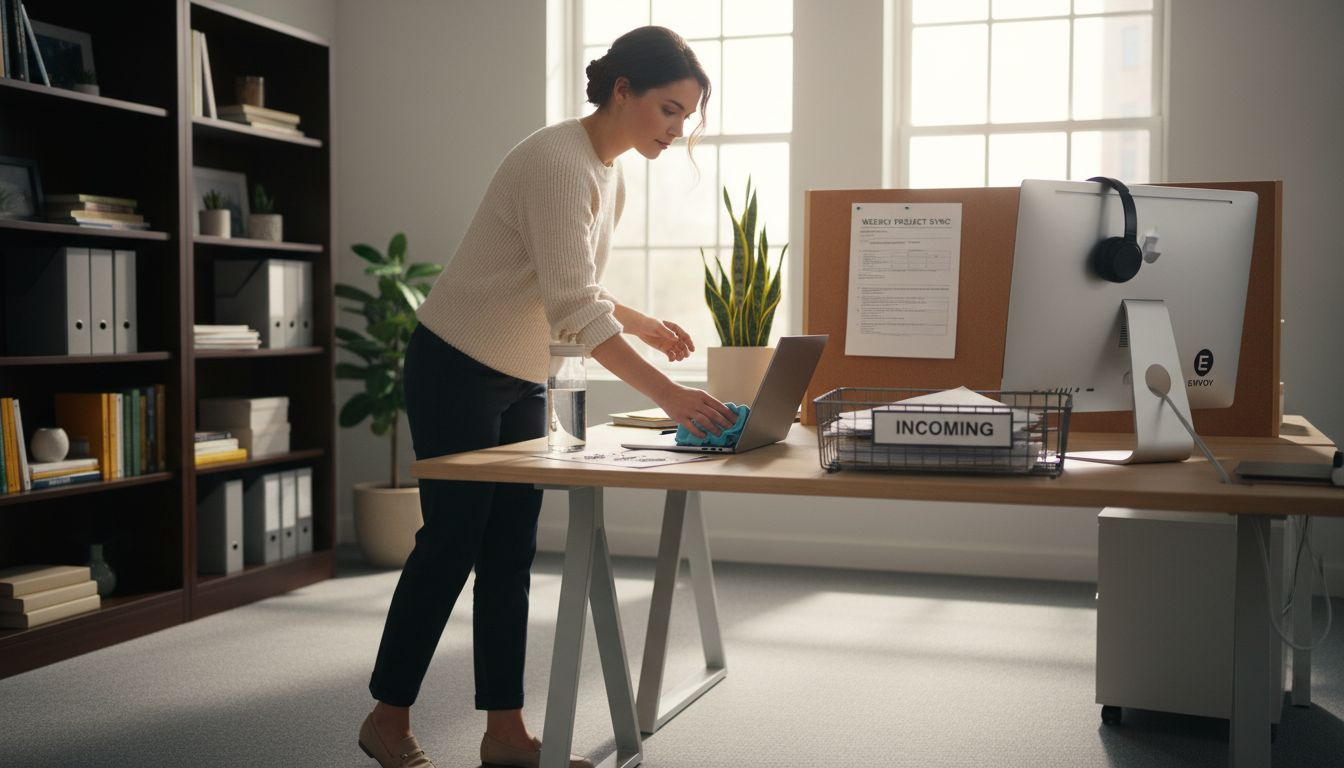
Noise-canceling headphones deliver the single largest environmental improvement, increasing focus by 28% in open office settings. They eliminate auditory distractions from conversations, phone calls, and ambient sounds that trigger involuntary attention shifts. Even without music, the noise cancellation alone creates a focus-friendly sound environment.
Implement these environmental controls:
- Clear your desk of non-essential items to minimize visual distractions
- Position your monitor to face away from high-traffic areas
- Use natural lighting when possible to reduce eye strain and fatigue
- Control temperature between 68-72°F for optimal cognitive performance
Clutter reduction works by lowering visual complexity. Every visible item represents a potential attention target, and your brain expends energy filtering irrelevant stimuli. A clean workspace reduces this cognitive overhead, freeing mental resources for productive work.
Lighting deserves special attention because poor illumination causes eye strain and headaches that derail focus. Natural light performs best, but if windows are unavailable, use full-spectrum LED bulbs that mimic daylight. Position lights to eliminate screen glare and shadows on your workspace.
Minimizing device distractions includes environmental design. Keep phones out of sight, as visible devices trigger checking urges even when silenced. Store laptops and tablets in drawers when working on other tasks to prevent multitasking temptation.
Behavioral habit formation for productivity
Sustained focus emerges from consistent mental practices that strengthen attention control over time. Mindfulness meditation improves attention by 12% through regular practice, training your brain to notice distractions without following them.
Start with brief daily sessions:
- Morning: 5 minutes of breath-focused meditation before checking devices
- Midday: 3 minutes of body scanning during lunch break
- Evening: 5 minutes of reflection on focus wins and challenges
Goal-setting increases focus by 14% by providing clear targets that direct attention and motivation. Write specific, time-bound objectives each morning, identifying your top three priorities. This clarity prevents attention drift toward low-value tasks and creates accountability for meaningful work.
Pro Tip: Start with just one 5-minute mindfulness session daily. Consistency matters more than duration, and small wins build confidence for expanding your practice.
The compound effect of habits explains why behavioral changes outperform one-time interventions. Each meditation session strengthens neural pathways associated with attention control. Each day of goal-setting reinforces the mental habit of prioritization. These micro-improvements accumulate into substantial performance gains over weeks and months.
Breaking screen addiction requires similar habit formation. Replace phone checking with intentional alternatives like brief stretches or water breaks. Your brain craves the stimulation break, so provide healthier substitutes rather than relying solely on restriction.
Track your progress to maintain motivation. Record daily meditation minutes, focus session counts, or distraction-free work periods. Visible improvement reinforces commitment and helps identify patterns in your attention performance.
Lifestyle changes supporting better focus
Workplace focus reflects overall health status, making lifestyle factors essential for sustained cognitive performance. Each additional hour of quality sleep raises cognitive performance by 8%, improving memory consolidation, reaction time, and decision quality.
Sleep optimization strategies:
- Maintain consistent bed and wake times, even on weekends
- Avoid screens 60-90 minutes before sleep to reduce blue light exposure
- Keep bedroom temperature around 65-68°F for optimal sleep quality
- Limit caffeine after 2 PM to prevent sleep disruption
Reducing screen time by 25% improves mental clarity by 18%, particularly when cuts come from recreational scrolling rather than productive screen use. Digital stimulation creates cognitive residue that persists after you stop, fragmenting attention for 20-30 minutes following device use.
Screen time reduction delivers productivity boosts through multiple mechanisms. Lower device use improves sleep quality, reduces anxiety, and frees time for restorative activities like exercise or social connection. These benefits compound, creating an upward spiral of improved focus and well-being.
Physical exercise enhances focus through increased blood flow to the brain and neurochemical changes that support attention. Even 20 minutes of moderate activity before work sessions sharpens concentration and improves task persistence. Schedule movement breaks between focus blocks to maintain energy and mental clarity.
Nutrition impacts focus through blood sugar stability and brain fuel availability. Protein-rich breakfasts sustain attention better than carbohydrate-heavy meals that cause mid-morning energy crashes. Stay hydrated, as even mild dehydration impairs cognitive performance by 10-15%.
Screen time impacts wellness and focus in ways that extend beyond immediate distraction. Chronic high screen use alters brain structure and function, reducing attention span and increasing susceptibility to distraction. Lifestyle changes address root causes rather than just managing symptoms.
Summary comparison of focus improvement methods
Evaluating focus strategies requires comparing effectiveness, implementation difficulty, and situational fit. This comparison helps you prioritize methods that deliver maximum impact for your specific challenges.
Physical interventions and environmental adjustments deliver the fastest results, making them ideal starting points. Behavioral habits and lifestyle changes require more time but create sustainable improvements that don't depend on external tools.
Combination approaches outperform single-method strategies. Pairing physical phone blockers with Pomodoro timing addresses both device distractions and time management. Adding environmental controls like headphones further reduces attention competition from your surroundings.
Consider your primary challenge when selecting methods. Chronic phone checking responds best to physical blockers. Difficulty sustaining attention benefits from Pomodoro structure. Mental fog and fatigue require lifestyle interventions like sleep and screen time changes.
Situational recommendations for professional focus
Different work environments and challenges demand tailored focus strategies. Match your approach to your specific situation for maximum effectiveness.
For open office environments with high ambient noise and visual distractions:
- Use noise-canceling headphones as your primary defense
- Combine with physical phone blockers to prevent device checking
- Request workspace positioning away from main traffic flows
- Schedule deep work during quieter morning hours when possible
For remote workers struggling with home distractions:
- Create a dedicated workspace with environmental controls
- Use Pomodoro Technique to structure your day and maintain boundaries
- Implement physical phone separation during focus blocks
- Schedule breaks away from your workspace to create mental transitions
For professionals with time management challenges:
- Adopt Pomodoro Technique as your core structure
- Practice morning goal-setting to clarify daily priorities
- Use physical timers to maintain schedule discipline
- Track completed focus blocks to build momentum
For those experiencing mental fatigue and clarity issues:
- Prioritize sleep optimization and screen time reduction
- Start daily mindfulness practice, even just 5 minutes
- Schedule regular movement breaks for cognitive recovery
- Reduce decision fatigue by planning tasks the night before
Professionals with ADHD or attention challenges benefit from specialized focus techniques that provide stronger external structure. Combine multiple methods for layered support, and adjust timing expectations as attention improvements may develop more gradually.
Start with one high-impact change rather than attempting comprehensive overhaul. Master physical phone blocking or Pomodoro timing first, then add complementary methods once the initial habit solidifies. This staged approach prevents overwhelm and builds confidence through incremental wins.
Discover Well O'Clock to reclaim your focus
Transforming workplace focus requires tools that support your commitment to minimize distractions and maximize productivity. Well O'Clock combines physical NFC technology with smart app controls, creating the tangible barriers that research shows outperform digital-only solutions.
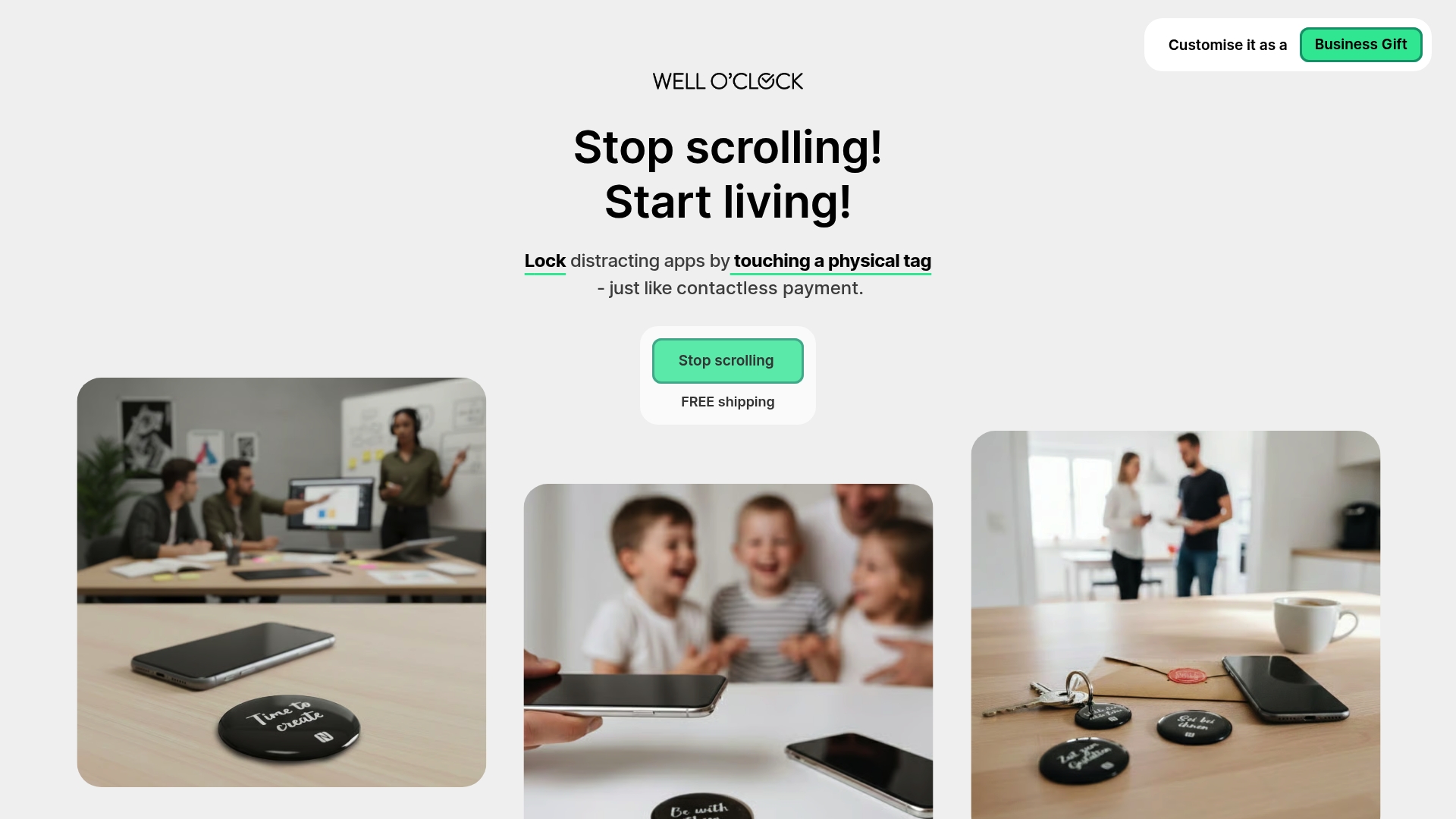
The system integrates seamlessly with proven strategies like Pomodoro timing and physical phone separation. Tap an NFC tag to lock distracting apps during focus blocks, then unlock with another tap when your session ends. This physical interaction creates the mindful pause that strengthens habit formation.
Professionals choose Well O'Clock because it addresses the root cause of digital distraction, not just the symptoms. The outside-the-phone approach prevents you from simply disabling restrictions when temptation strikes. Visit Well O'Clock today to start building the focus habits that elevate your productivity and mental clarity.
FAQ
What are the most effective ways to stop phone distractions at work?
Use physical phone blockers or NFC tags to create tangible barriers against checking behaviors. These tools reduce phone use by 30% and work better than apps alone because they operate outside your device. Combine physical interventions with app-based restrictions for comprehensive protection against digital distractions.
How can I use the Pomodoro Technique to improve focus?
Work for 25 minutes without interruption, then take a 5-minute break. Repeat this cycle four times before taking a longer 15-30 minute break. This structured approach increases focus duration by 22% by preventing cognitive fatigue while maintaining momentum.
What environmental changes can quickly boost my concentration?
Reduce noise and clutter in your workspace to lower sensory processing demands. Use noise-canceling headphones in open offices to block auditory distractions, which alone improves focus by 28%. Clear your desk of non-essential items and optimize lighting to eliminate eye strain that derails attention.
Are behavioral habits like mindfulness really effective for workplace focus?
Yes, daily mindfulness practice improves attention by 12% through consistent training of attention control. Goal-setting increases focus by 14% by providing clear direction that prevents attention drift. These habits support mental clarity and compound over time, creating sustainable improvements rather than temporary fixes.

Mak Kordić
Co founder
Mak Kordić is the founder and CEO of CNJ Digital, an agency based in Ljubljana, where he and his team develop UX/UI and digital products for demanding B2B projects. Over his career, he has led and co-created hundreds of digital solutions and worked with international clients.








Effective ways to improve focus at work in 2026
Mak Kordić
,
March 16, 2026
Professionals lose 40% of their productivity to digital distractions, making effective focus strategies essential for workplace success. Choosing the right focus improvement methods requires understanding which techniques deliver measurable results and fit your specific work environment. This guide evaluates proven strategies, from physical interventions to behavioral habits, helping you select and implement approaches that restore mental clarity and boost concentration.
Table of Contents
- How To Choose The Best Focus Improvement Strategies
- Physical Interventions To Reduce Digital Distractions
- Time Management And Break Strategies
- Environmental Adjustments For Concentration Enhancement
- Behavioral Habit Formation For Productivity
- Lifestyle Changes Supporting Better Focus
- Summary Comparison Of Focus Improvement Methods
- Situational Recommendations For Professional Focus
- Discover Well O'Clock To Reclaim Your Focus
- FAQ
How to choose the best focus improvement strategies
Selecting effective focus techniques starts with identifying your biggest productivity barriers. Minimizing device distractions addresses the primary challenge most professionals face, as smartphones interrupt workflow patterns every 12 minutes on average.
Effective strategies share three characteristics. First, they create physical or temporal barriers between you and distractions. Second, they build sustainable habits rather than requiring constant willpower. Third, they integrate seamlessly into existing workflows without creating new friction points.
Consider these selection criteria:
- Evidence base: Choose methods backed by productivity research showing measurable improvements
- Integration ease: Pick strategies that fit naturally into your current work routine
- Scalability: Select approaches that work across different tasks and attention demands
- Personal fit: Match techniques to your specific distraction patterns and work environment
The most effective approach combines multiple methods. Physical interventions create external accountability, time management structures your workday, and environmental adjustments reduce sensory overload. Behavioral habits reinforce these changes, building mental resilience over weeks of practice.
Balance quick wins with long-term investments. Physical phone blockers deliver immediate results, while mindfulness meditation requires consistent practice to show benefits. Starting with one high-impact change prevents overwhelm and builds momentum for additional improvements.
Physical interventions to reduce digital distractions
Physical barriers create the strongest defense against phone checking behaviors that fragment your attention. Physical interventions outperform app-only blockers by 20% effectiveness because they operate outside your device, eliminating the temptation to disable restrictions.
NFC tags cut phone-checking habits by 30% by requiring deliberate physical action to unlock distracting apps. You place tags in specific locations, forcing yourself to stand up and walk across the room before accessing social media or messaging. This intentional friction breaks autopilot behaviors that drain focus.
Consider these physical intervention options:
- Desktop phone lockboxes with timed releases
- NFC tag systems that control app access
- Physical timers that create workspace boundaries
- Dedicated focus spaces free from devices
Phone lockboxes work best during deep work sessions requiring 90 minutes or more of uninterrupted concentration. You secure your device at session start and physically cannot retrieve it until the timer expires. This complete separation eliminates micro-distractions from notifications and reduces the cognitive load of resisting temptation.
Pro Tip: Combine physical tools with app blockers for layered protection. Use lockboxes during morning deep work, then switch to NFC tags for afternoon tasks requiring occasional phone access.
The tangible nature of physical interventions provides psychological benefits beyond simple blocking. Placing your phone in a box or tapping an NFC tag creates a mindful pause, reminding you of your focus commitment. This conscious acknowledgment strengthens habit formation and increases awareness of distraction triggers.
Time management and break strategies
Structured time blocks transform scattered attention into sustained concentration periods. The Pomodoro Technique increases focus duration by 22% by alternating focused work with strategic recovery breaks.
This method follows a simple cycle:
1. Choose a single task requiring focused attention
2. Set a timer for 25 minutes and work without interruption
3. Take a 5-minute break when the timer sounds
4. Repeat the cycle four times, then take a longer 15-30 minute break
The power lies in the break structure, not just the work periods. Your brain experiences cognitive fatigue after sustained concentration, and scheduled breaks prevent performance decline. Short breaks allow mental recovery without losing momentum, while longer breaks after four cycles provide deeper restoration.
" Structured breaks prevent the attention decay that typically begins after 20-25 minutes of continuous focus, maintaining peak cognitive performance throughout work sessions. "
Professionals across diverse roles report success with this approach. Software developers use it to maintain code quality during long programming sessions. Writers apply it to overcome creative blocks. Analysts leverage it to sustain accuracy during data review.
Timers and apps maintain schedule discipline, removing decision fatigue about when to break. Physical timers work well if you want to avoid screen time impact on focus, while dedicated Pomodoro apps track completed cycles and send reminders.
Adapt the timing to your work demands. Some tasks require longer focus periods, so extend to 50-minute blocks with 10-minute breaks. Others benefit from shorter 15-minute sprints. Experiment to find your optimal rhythm, but maintain the break structure regardless of block length.
Environmental adjustments for concentration enhancement
Your workspace directly influences your ability to maintain attention. Quiet, organized environments boost concentration by 15% compared to cluttered, noisy settings by reducing sensory processing demands that compete with task focus.
Noise-canceling headphones deliver the single largest environmental improvement, increasing focus by 28% in open office settings. They eliminate auditory distractions from conversations, phone calls, and ambient sounds that trigger involuntary attention shifts. Even without music, the noise cancellation alone creates a focus-friendly sound environment.
Implement these environmental controls:
- Clear your desk of non-essential items to minimize visual distractions
- Position your monitor to face away from high-traffic areas
- Use natural lighting when possible to reduce eye strain and fatigue
- Control temperature between 68-72°F for optimal cognitive performance
Clutter reduction works by lowering visual complexity. Every visible item represents a potential attention target, and your brain expends energy filtering irrelevant stimuli. A clean workspace reduces this cognitive overhead, freeing mental resources for productive work.
Lighting deserves special attention because poor illumination causes eye strain and headaches that derail focus. Natural light performs best, but if windows are unavailable, use full-spectrum LED bulbs that mimic daylight. Position lights to eliminate screen glare and shadows on your workspace.
Minimizing device distractions includes environmental design. Keep phones out of sight, as visible devices trigger checking urges even when silenced. Store laptops and tablets in drawers when working on other tasks to prevent multitasking temptation.
Behavioral habit formation for productivity
Sustained focus emerges from consistent mental practices that strengthen attention control over time. Mindfulness meditation improves attention by 12% through regular practice, training your brain to notice distractions without following them.
Start with brief daily sessions:
- Morning: 5 minutes of breath-focused meditation before checking devices
- Midday: 3 minutes of body scanning during lunch break
- Evening: 5 minutes of reflection on focus wins and challenges
Goal-setting increases focus by 14% by providing clear targets that direct attention and motivation. Write specific, time-bound objectives each morning, identifying your top three priorities. This clarity prevents attention drift toward low-value tasks and creates accountability for meaningful work.
Pro Tip: Start with just one 5-minute mindfulness session daily. Consistency matters more than duration, and small wins build confidence for expanding your practice.
The compound effect of habits explains why behavioral changes outperform one-time interventions. Each meditation session strengthens neural pathways associated with attention control. Each day of goal-setting reinforces the mental habit of prioritization. These micro-improvements accumulate into substantial performance gains over weeks and months.
Breaking screen addiction requires similar habit formation. Replace phone checking with intentional alternatives like brief stretches or water breaks. Your brain craves the stimulation break, so provide healthier substitutes rather than relying solely on restriction.
Track your progress to maintain motivation. Record daily meditation minutes, focus session counts, or distraction-free work periods. Visible improvement reinforces commitment and helps identify patterns in your attention performance.
Lifestyle changes supporting better focus
Workplace focus reflects overall health status, making lifestyle factors essential for sustained cognitive performance. Each additional hour of quality sleep raises cognitive performance by 8%, improving memory consolidation, reaction time, and decision quality.
Sleep optimization strategies:
- Maintain consistent bed and wake times, even on weekends
- Avoid screens 60-90 minutes before sleep to reduce blue light exposure
- Keep bedroom temperature around 65-68°F for optimal sleep quality
- Limit caffeine after 2 PM to prevent sleep disruption
Reducing screen time by 25% improves mental clarity by 18%, particularly when cuts come from recreational scrolling rather than productive screen use. Digital stimulation creates cognitive residue that persists after you stop, fragmenting attention for 20-30 minutes following device use.
Screen time reduction delivers productivity boosts through multiple mechanisms. Lower device use improves sleep quality, reduces anxiety, and frees time for restorative activities like exercise or social connection. These benefits compound, creating an upward spiral of improved focus and well-being.
Physical exercise enhances focus through increased blood flow to the brain and neurochemical changes that support attention. Even 20 minutes of moderate activity before work sessions sharpens concentration and improves task persistence. Schedule movement breaks between focus blocks to maintain energy and mental clarity.
Nutrition impacts focus through blood sugar stability and brain fuel availability. Protein-rich breakfasts sustain attention better than carbohydrate-heavy meals that cause mid-morning energy crashes. Stay hydrated, as even mild dehydration impairs cognitive performance by 10-15%.
Screen time impacts wellness and focus in ways that extend beyond immediate distraction. Chronic high screen use alters brain structure and function, reducing attention span and increasing susceptibility to distraction. Lifestyle changes address root causes rather than just managing symptoms.
Summary comparison of focus improvement methods
Evaluating focus strategies requires comparing effectiveness, implementation difficulty, and situational fit. This comparison helps you prioritize methods that deliver maximum impact for your specific challenges.
Physical interventions and environmental adjustments deliver the fastest results, making them ideal starting points. Behavioral habits and lifestyle changes require more time but create sustainable improvements that don't depend on external tools.
Combination approaches outperform single-method strategies. Pairing physical phone blockers with Pomodoro timing addresses both device distractions and time management. Adding environmental controls like headphones further reduces attention competition from your surroundings.
Consider your primary challenge when selecting methods. Chronic phone checking responds best to physical blockers. Difficulty sustaining attention benefits from Pomodoro structure. Mental fog and fatigue require lifestyle interventions like sleep and screen time changes.
Situational recommendations for professional focus
Different work environments and challenges demand tailored focus strategies. Match your approach to your specific situation for maximum effectiveness.
For open office environments with high ambient noise and visual distractions:
- Use noise-canceling headphones as your primary defense
- Combine with physical phone blockers to prevent device checking
- Request workspace positioning away from main traffic flows
- Schedule deep work during quieter morning hours when possible
For remote workers struggling with home distractions:
- Create a dedicated workspace with environmental controls
- Use Pomodoro Technique to structure your day and maintain boundaries
- Implement physical phone separation during focus blocks
- Schedule breaks away from your workspace to create mental transitions
For professionals with time management challenges:
- Adopt Pomodoro Technique as your core structure
- Practice morning goal-setting to clarify daily priorities
- Use physical timers to maintain schedule discipline
- Track completed focus blocks to build momentum
For those experiencing mental fatigue and clarity issues:
- Prioritize sleep optimization and screen time reduction
- Start daily mindfulness practice, even just 5 minutes
- Schedule regular movement breaks for cognitive recovery
- Reduce decision fatigue by planning tasks the night before
Professionals with ADHD or attention challenges benefit from specialized focus techniques that provide stronger external structure. Combine multiple methods for layered support, and adjust timing expectations as attention improvements may develop more gradually.
Start with one high-impact change rather than attempting comprehensive overhaul. Master physical phone blocking or Pomodoro timing first, then add complementary methods once the initial habit solidifies. This staged approach prevents overwhelm and builds confidence through incremental wins.
Discover Well O'Clock to reclaim your focus
Transforming workplace focus requires tools that support your commitment to minimize distractions and maximize productivity. Well O'Clock combines physical NFC technology with smart app controls, creating the tangible barriers that research shows outperform digital-only solutions.
The system integrates seamlessly with proven strategies like Pomodoro timing and physical phone separation. Tap an NFC tag to lock distracting apps during focus blocks, then unlock with another tap when your session ends. This physical interaction creates the mindful pause that strengthens habit formation.
Professionals choose Well O'Clock because it addresses the root cause of digital distraction, not just the symptoms. The outside-the-phone approach prevents you from simply disabling restrictions when temptation strikes. Visit Well O'Clock today to start building the focus habits that elevate your productivity and mental clarity.
FAQ
What are the most effective ways to stop phone distractions at work?
Use physical phone blockers or NFC tags to create tangible barriers against checking behaviors. These tools reduce phone use by 30% and work better than apps alone because they operate outside your device. Combine physical interventions with app-based restrictions for comprehensive protection against digital distractions.
How can I use the Pomodoro Technique to improve focus?
Work for 25 minutes without interruption, then take a 5-minute break. Repeat this cycle four times before taking a longer 15-30 minute break. This structured approach increases focus duration by 22% by preventing cognitive fatigue while maintaining momentum.
What environmental changes can quickly boost my concentration?
Reduce noise and clutter in your workspace to lower sensory processing demands. Use noise-canceling headphones in open offices to block auditory distractions, which alone improves focus by 28%. Clear your desk of non-essential items and optimize lighting to eliminate eye strain that derails attention.
Are behavioral habits like mindfulness really effective for workplace focus?
Yes, daily mindfulness practice improves attention by 12% through consistent training of attention control. Goal-setting increases focus by 14% by providing clear direction that prevents attention drift. These habits support mental clarity and compound over time, creating sustainable improvements rather than temporary fixes.
Mak Kordić
Co founder
Mak Kordić is the founder and CEO of CNJ Digital, an agency based in Ljubljana, where he and his team develop UX/UI and digital products for demanding B2B projects. Over his career, he has led and co-created hundreds of digital solutions and worked with international clients.
Effective ways to improve focus at work in 2026
Mak Kordić
,
March 16, 2026
Professionals lose 40% of their productivity to digital distractions, making effective focus strategies essential for workplace success. Choosing the right focus improvement methods requires understanding which techniques deliver measurable results and fit your specific work environment. This guide evaluates proven strategies, from physical interventions to behavioral habits, helping you select and implement approaches that restore mental clarity and boost concentration.
Table of Contents
- How To Choose The Best Focus Improvement Strategies
- Physical Interventions To Reduce Digital Distractions
- Time Management And Break Strategies
- Environmental Adjustments For Concentration Enhancement
- Behavioral Habit Formation For Productivity
- Lifestyle Changes Supporting Better Focus
- Summary Comparison Of Focus Improvement Methods
- Situational Recommendations For Professional Focus
- Discover Well O'Clock To Reclaim Your Focus
- FAQ
How to choose the best focus improvement strategies
Selecting effective focus techniques starts with identifying your biggest productivity barriers. Minimizing device distractions addresses the primary challenge most professionals face, as smartphones interrupt workflow patterns every 12 minutes on average.
Effective strategies share three characteristics. First, they create physical or temporal barriers between you and distractions. Second, they build sustainable habits rather than requiring constant willpower. Third, they integrate seamlessly into existing workflows without creating new friction points.
Consider these selection criteria:
- Evidence base: Choose methods backed by productivity research showing measurable improvements
- Integration ease: Pick strategies that fit naturally into your current work routine
- Scalability: Select approaches that work across different tasks and attention demands
- Personal fit: Match techniques to your specific distraction patterns and work environment
The most effective approach combines multiple methods. Physical interventions create external accountability, time management structures your workday, and environmental adjustments reduce sensory overload. Behavioral habits reinforce these changes, building mental resilience over weeks of practice.
Balance quick wins with long-term investments. Physical phone blockers deliver immediate results, while mindfulness meditation requires consistent practice to show benefits. Starting with one high-impact change prevents overwhelm and builds momentum for additional improvements.
Physical interventions to reduce digital distractions
Physical barriers create the strongest defense against phone checking behaviors that fragment your attention. Physical interventions outperform app-only blockers by 20% effectiveness because they operate outside your device, eliminating the temptation to disable restrictions.
NFC tags cut phone-checking habits by 30% by requiring deliberate physical action to unlock distracting apps. You place tags in specific locations, forcing yourself to stand up and walk across the room before accessing social media or messaging. This intentional friction breaks autopilot behaviors that drain focus.
Consider these physical intervention options:
- Desktop phone lockboxes with timed releases
- NFC tag systems that control app access
- Physical timers that create workspace boundaries
- Dedicated focus spaces free from devices
Phone lockboxes work best during deep work sessions requiring 90 minutes or more of uninterrupted concentration. You secure your device at session start and physically cannot retrieve it until the timer expires. This complete separation eliminates micro-distractions from notifications and reduces the cognitive load of resisting temptation.
Pro Tip: Combine physical tools with app blockers for layered protection. Use lockboxes during morning deep work, then switch to NFC tags for afternoon tasks requiring occasional phone access.
The tangible nature of physical interventions provides psychological benefits beyond simple blocking. Placing your phone in a box or tapping an NFC tag creates a mindful pause, reminding you of your focus commitment. This conscious acknowledgment strengthens habit formation and increases awareness of distraction triggers.
Time management and break strategies
Structured time blocks transform scattered attention into sustained concentration periods. The Pomodoro Technique increases focus duration by 22% by alternating focused work with strategic recovery breaks.
This method follows a simple cycle:
1. Choose a single task requiring focused attention
2. Set a timer for 25 minutes and work without interruption
3. Take a 5-minute break when the timer sounds
4. Repeat the cycle four times, then take a longer 15-30 minute break
The power lies in the break structure, not just the work periods. Your brain experiences cognitive fatigue after sustained concentration, and scheduled breaks prevent performance decline. Short breaks allow mental recovery without losing momentum, while longer breaks after four cycles provide deeper restoration.
" Structured breaks prevent the attention decay that typically begins after 20-25 minutes of continuous focus, maintaining peak cognitive performance throughout work sessions. "
Professionals across diverse roles report success with this approach. Software developers use it to maintain code quality during long programming sessions. Writers apply it to overcome creative blocks. Analysts leverage it to sustain accuracy during data review.
Timers and apps maintain schedule discipline, removing decision fatigue about when to break. Physical timers work well if you want to avoid screen time impact on focus, while dedicated Pomodoro apps track completed cycles and send reminders.
Adapt the timing to your work demands. Some tasks require longer focus periods, so extend to 50-minute blocks with 10-minute breaks. Others benefit from shorter 15-minute sprints. Experiment to find your optimal rhythm, but maintain the break structure regardless of block length.
Environmental adjustments for concentration enhancement
Your workspace directly influences your ability to maintain attention. Quiet, organized environments boost concentration by 15% compared to cluttered, noisy settings by reducing sensory processing demands that compete with task focus.
Noise-canceling headphones deliver the single largest environmental improvement, increasing focus by 28% in open office settings. They eliminate auditory distractions from conversations, phone calls, and ambient sounds that trigger involuntary attention shifts. Even without music, the noise cancellation alone creates a focus-friendly sound environment.
Implement these environmental controls:
- Clear your desk of non-essential items to minimize visual distractions
- Position your monitor to face away from high-traffic areas
- Use natural lighting when possible to reduce eye strain and fatigue
- Control temperature between 68-72°F for optimal cognitive performance
Clutter reduction works by lowering visual complexity. Every visible item represents a potential attention target, and your brain expends energy filtering irrelevant stimuli. A clean workspace reduces this cognitive overhead, freeing mental resources for productive work.
Lighting deserves special attention because poor illumination causes eye strain and headaches that derail focus. Natural light performs best, but if windows are unavailable, use full-spectrum LED bulbs that mimic daylight. Position lights to eliminate screen glare and shadows on your workspace.
Minimizing device distractions includes environmental design. Keep phones out of sight, as visible devices trigger checking urges even when silenced. Store laptops and tablets in drawers when working on other tasks to prevent multitasking temptation.
Behavioral habit formation for productivity
Sustained focus emerges from consistent mental practices that strengthen attention control over time. Mindfulness meditation improves attention by 12% through regular practice, training your brain to notice distractions without following them.
Start with brief daily sessions:
- Morning: 5 minutes of breath-focused meditation before checking devices
- Midday: 3 minutes of body scanning during lunch break
- Evening: 5 minutes of reflection on focus wins and challenges
Goal-setting increases focus by 14% by providing clear targets that direct attention and motivation. Write specific, time-bound objectives each morning, identifying your top three priorities. This clarity prevents attention drift toward low-value tasks and creates accountability for meaningful work.
Pro Tip: Start with just one 5-minute mindfulness session daily. Consistency matters more than duration, and small wins build confidence for expanding your practice.
The compound effect of habits explains why behavioral changes outperform one-time interventions. Each meditation session strengthens neural pathways associated with attention control. Each day of goal-setting reinforces the mental habit of prioritization. These micro-improvements accumulate into substantial performance gains over weeks and months.
Breaking screen addiction requires similar habit formation. Replace phone checking with intentional alternatives like brief stretches or water breaks. Your brain craves the stimulation break, so provide healthier substitutes rather than relying solely on restriction.
Track your progress to maintain motivation. Record daily meditation minutes, focus session counts, or distraction-free work periods. Visible improvement reinforces commitment and helps identify patterns in your attention performance.
Lifestyle changes supporting better focus
Workplace focus reflects overall health status, making lifestyle factors essential for sustained cognitive performance. Each additional hour of quality sleep raises cognitive performance by 8%, improving memory consolidation, reaction time, and decision quality.
Sleep optimization strategies:
- Maintain consistent bed and wake times, even on weekends
- Avoid screens 60-90 minutes before sleep to reduce blue light exposure
- Keep bedroom temperature around 65-68°F for optimal sleep quality
- Limit caffeine after 2 PM to prevent sleep disruption
Reducing screen time by 25% improves mental clarity by 18%, particularly when cuts come from recreational scrolling rather than productive screen use. Digital stimulation creates cognitive residue that persists after you stop, fragmenting attention for 20-30 minutes following device use.
Screen time reduction delivers productivity boosts through multiple mechanisms. Lower device use improves sleep quality, reduces anxiety, and frees time for restorative activities like exercise or social connection. These benefits compound, creating an upward spiral of improved focus and well-being.
Physical exercise enhances focus through increased blood flow to the brain and neurochemical changes that support attention. Even 20 minutes of moderate activity before work sessions sharpens concentration and improves task persistence. Schedule movement breaks between focus blocks to maintain energy and mental clarity.
Nutrition impacts focus through blood sugar stability and brain fuel availability. Protein-rich breakfasts sustain attention better than carbohydrate-heavy meals that cause mid-morning energy crashes. Stay hydrated, as even mild dehydration impairs cognitive performance by 10-15%.
Screen time impacts wellness and focus in ways that extend beyond immediate distraction. Chronic high screen use alters brain structure and function, reducing attention span and increasing susceptibility to distraction. Lifestyle changes address root causes rather than just managing symptoms.
Summary comparison of focus improvement methods
Evaluating focus strategies requires comparing effectiveness, implementation difficulty, and situational fit. This comparison helps you prioritize methods that deliver maximum impact for your specific challenges.
Physical interventions and environmental adjustments deliver the fastest results, making them ideal starting points. Behavioral habits and lifestyle changes require more time but create sustainable improvements that don't depend on external tools.
Combination approaches outperform single-method strategies. Pairing physical phone blockers with Pomodoro timing addresses both device distractions and time management. Adding environmental controls like headphones further reduces attention competition from your surroundings.
Consider your primary challenge when selecting methods. Chronic phone checking responds best to physical blockers. Difficulty sustaining attention benefits from Pomodoro structure. Mental fog and fatigue require lifestyle interventions like sleep and screen time changes.
Situational recommendations for professional focus
Different work environments and challenges demand tailored focus strategies. Match your approach to your specific situation for maximum effectiveness.
For open office environments with high ambient noise and visual distractions:
- Use noise-canceling headphones as your primary defense
- Combine with physical phone blockers to prevent device checking
- Request workspace positioning away from main traffic flows
- Schedule deep work during quieter morning hours when possible
For remote workers struggling with home distractions:
- Create a dedicated workspace with environmental controls
- Use Pomodoro Technique to structure your day and maintain boundaries
- Implement physical phone separation during focus blocks
- Schedule breaks away from your workspace to create mental transitions
For professionals with time management challenges:
- Adopt Pomodoro Technique as your core structure
- Practice morning goal-setting to clarify daily priorities
- Use physical timers to maintain schedule discipline
- Track completed focus blocks to build momentum
For those experiencing mental fatigue and clarity issues:
- Prioritize sleep optimization and screen time reduction
- Start daily mindfulness practice, even just 5 minutes
- Schedule regular movement breaks for cognitive recovery
- Reduce decision fatigue by planning tasks the night before
Professionals with ADHD or attention challenges benefit from specialized focus techniques that provide stronger external structure. Combine multiple methods for layered support, and adjust timing expectations as attention improvements may develop more gradually.
Start with one high-impact change rather than attempting comprehensive overhaul. Master physical phone blocking or Pomodoro timing first, then add complementary methods once the initial habit solidifies. This staged approach prevents overwhelm and builds confidence through incremental wins.
Discover Well O'Clock to reclaim your focus
Transforming workplace focus requires tools that support your commitment to minimize distractions and maximize productivity. Well O'Clock combines physical NFC technology with smart app controls, creating the tangible barriers that research shows outperform digital-only solutions.
The system integrates seamlessly with proven strategies like Pomodoro timing and physical phone separation. Tap an NFC tag to lock distracting apps during focus blocks, then unlock with another tap when your session ends. This physical interaction creates the mindful pause that strengthens habit formation.
Professionals choose Well O'Clock because it addresses the root cause of digital distraction, not just the symptoms. The outside-the-phone approach prevents you from simply disabling restrictions when temptation strikes. Visit Well O'Clock today to start building the focus habits that elevate your productivity and mental clarity.
FAQ
What are the most effective ways to stop phone distractions at work?
Use physical phone blockers or NFC tags to create tangible barriers against checking behaviors. These tools reduce phone use by 30% and work better than apps alone because they operate outside your device. Combine physical interventions with app-based restrictions for comprehensive protection against digital distractions.
How can I use the Pomodoro Technique to improve focus?
Work for 25 minutes without interruption, then take a 5-minute break. Repeat this cycle four times before taking a longer 15-30 minute break. This structured approach increases focus duration by 22% by preventing cognitive fatigue while maintaining momentum.
What environmental changes can quickly boost my concentration?
Reduce noise and clutter in your workspace to lower sensory processing demands. Use noise-canceling headphones in open offices to block auditory distractions, which alone improves focus by 28%. Clear your desk of non-essential items and optimize lighting to eliminate eye strain that derails attention.
Are behavioral habits like mindfulness really effective for workplace focus?
Yes, daily mindfulness practice improves attention by 12% through consistent training of attention control. Goal-setting increases focus by 14% by providing clear direction that prevents attention drift. These habits support mental clarity and compound over time, creating sustainable improvements rather than temporary fixes.
Mak Kordić
Co founder
Mak Kordić is the founder and CEO of CNJ Digital, an agency based in Ljubljana, where he and his team develop UX/UI and digital products for demanding B2B projects. Over his career, he has led and co-created hundreds of digital solutions and worked with international clients.