
What is app locking for wellness? 25% less anxiety
Mak Kordić
,
March 10, 2026

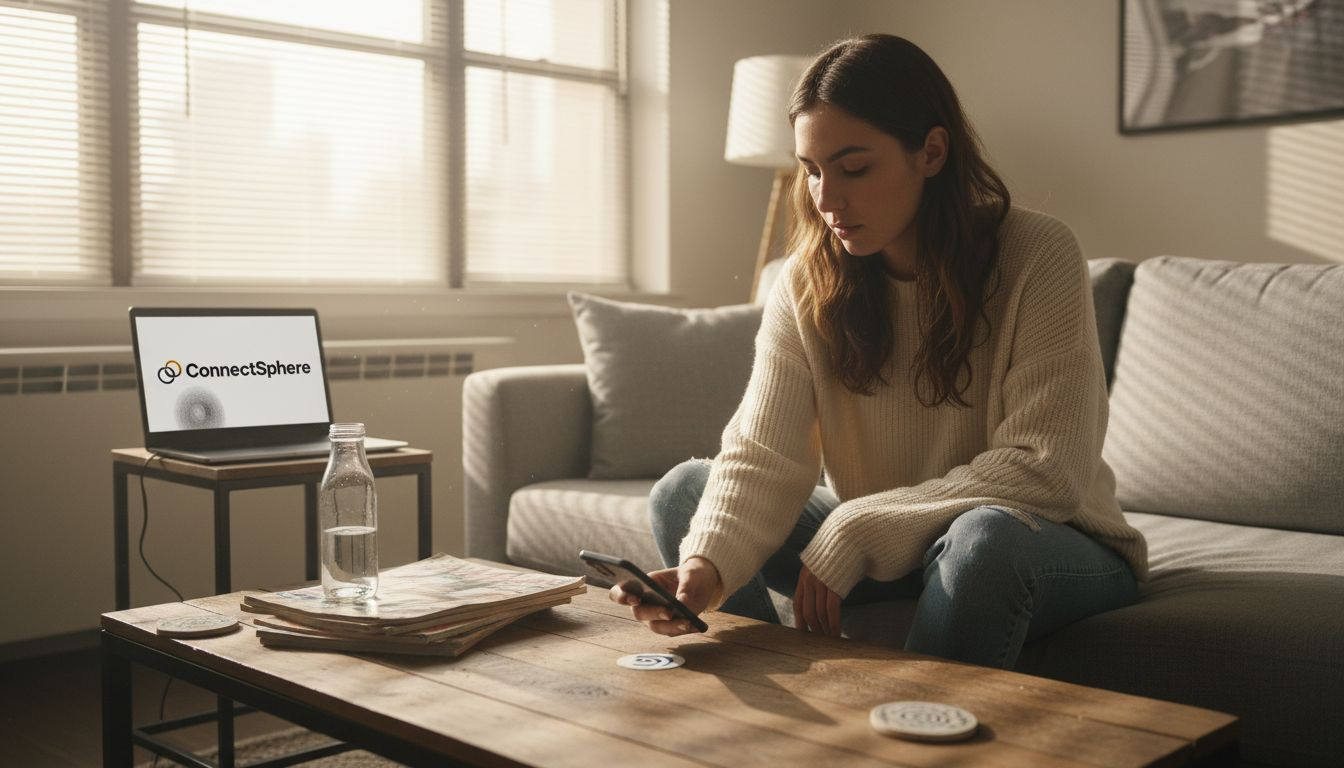
Do you reach for your phone every few minutes, even when you don't need to? You're not alone. Excessive screen time fuels anxiety, disrupts sleep, and fractures focus. But what if locking certain apps could reverse these effects? Reducing screen time by 1-2 hours daily through app locking correlates with a 25% decrease in reported anxiety and a 20% improvement in sleep quality, making it a powerful tool for mental wellness. This guide reveals how app locking for wellness works, why it outperforms traditional blocking, and how physical tools like NFC tags transform digital habits.
Table of Contents
- Introduction To App Locking For Wellness
- How App Locking Works: Mechanisms And Behavioral Science
- Mental Health Benefits Of App Locking For Wellness
- Integrating Physical Tools: NFC Tags And App Locking
- Common Misconceptions About App Locking For Wellness
- Practical Tips For Using App Locking Systems Effectively
- Fitness-Based App Locking: Combining Physical Activity With Digital Wellness
- Conclusion: Unlocking Better Wellness Through App Locking
- Discover Well O'Clock: Your Partner In Mindful Tech Habits
- FAQ
Introduction to app locking for wellness
App locking for wellness isn't about punishing yourself or going cold turkey on technology. It's a habit-transforming tool rooted in behavioral psychology that helps you reclaim control over your digital life. Unlike generic app blockers that simply prevent access or full digital detox approaches that demand total disconnection, app locking for wellness uses positive behavioral psychology by physically interrupting phone usage through NFC tags, which helps users break autopilot phone habits more effectively than software-only solutions.
Traditional app blocking relies on willpower alone, creating a tug-of-war between your intentions and impulses. App locking for wellness adds a physical layer to this equation. By requiring you to tap an NFC tag placed strategically in your environment, you introduce a deliberate pause that disrupts the automatic reach for your phone. This tactile intervention creates a mental checkpoint, forcing you to ask whether you really need that app right now.
Merging physical tools like NFC tags with digital restrictions proves more effective because it leverages environmental design. Your phone stays in your pocket, but accessing distracting apps requires conscious effort. This combination addresses both the digital trigger and the physical habit loop, making lasting change more achievable. Understanding the importance of app locking for wellness starts with recognizing that sustainable behavior change needs more than software alone.
Key differences between app locking approaches:
- Traditional app blocking uses timers or passwords but stays entirely within your phone
- Digital detox demands complete phone avoidance, which feels impractical for modern life
- Wellness app locking combines physical interruption with selective app restriction for balanced digital habits
- Physical tools create environmental cues that reinforce mindful phone use without total disconnection
How app locking works: mechanisms and behavioral science
The science behind app locking for wellness centers on disrupting automatic behaviors through environmental design and positive reinforcement. When you place an NFC tag on your desk, nightstand, or kitchen counter, you transform these locations into decision points. Each time you want to unlock a restricted app, you must physically move to the tag and tap it. This extra step breaks the autopilot loop that drives most phone use.
Physical NFC tags provide a unique advantage by creating a tactile, external disruption to digital habits, which leads to more conscious phone use and stronger mental associations that support habit change. The tactile feedback from tapping a physical object creates a memorable sensory experience that software notifications cannot replicate. Your brain forms stronger associations between the physical action and the decision to use your phone, making you more aware of your choices.
Compare this to punitive app blocking, which simply denies access and triggers frustration. Punishment-based systems create negative emotions around phone use, making you feel controlled rather than empowered. App locking for wellness flips this dynamic by giving you agency. You can always unlock the app, but you must make a conscious choice to do so. This subtle shift from restriction to reflection builds lasting habit change.
Research supports this approach. Studies show that interventions combining physical and digital elements achieve better adherence than purely digital solutions. The behavioral science of app locking demonstrates that environmental modifications outperform willpower alone. By understanding the advantages of physical phone blockers, you can design an environment that supports your wellness goals.
How app locking creates lasting behavior change:
- Introduces friction between impulse and action, allowing time for conscious decision-making
- Replaces punishment with choice, fostering autonomy and reducing rebellion against restrictions
- Creates physical rituals that anchor new digital habits in your environment
- Builds mental associations between specific locations and mindful phone use
Pro Tip: Place NFC tags in locations where you want to be most present, like your bedroom or dining table. This creates environmental cues that naturally reduce phone use during important moments.
Mental health benefits of app locking for wellness
The mental health gains from reducing screen time through app locking are substantial and scientifically documented. Reducing screen time by 1-2 hours daily through app locking correlates with a 25% decrease in reported anxiety and a 20% improvement in sleep quality. These improvements emerge because excessive screen time, especially before bed, disrupts circadian rhythms and overstimulates your nervous system.
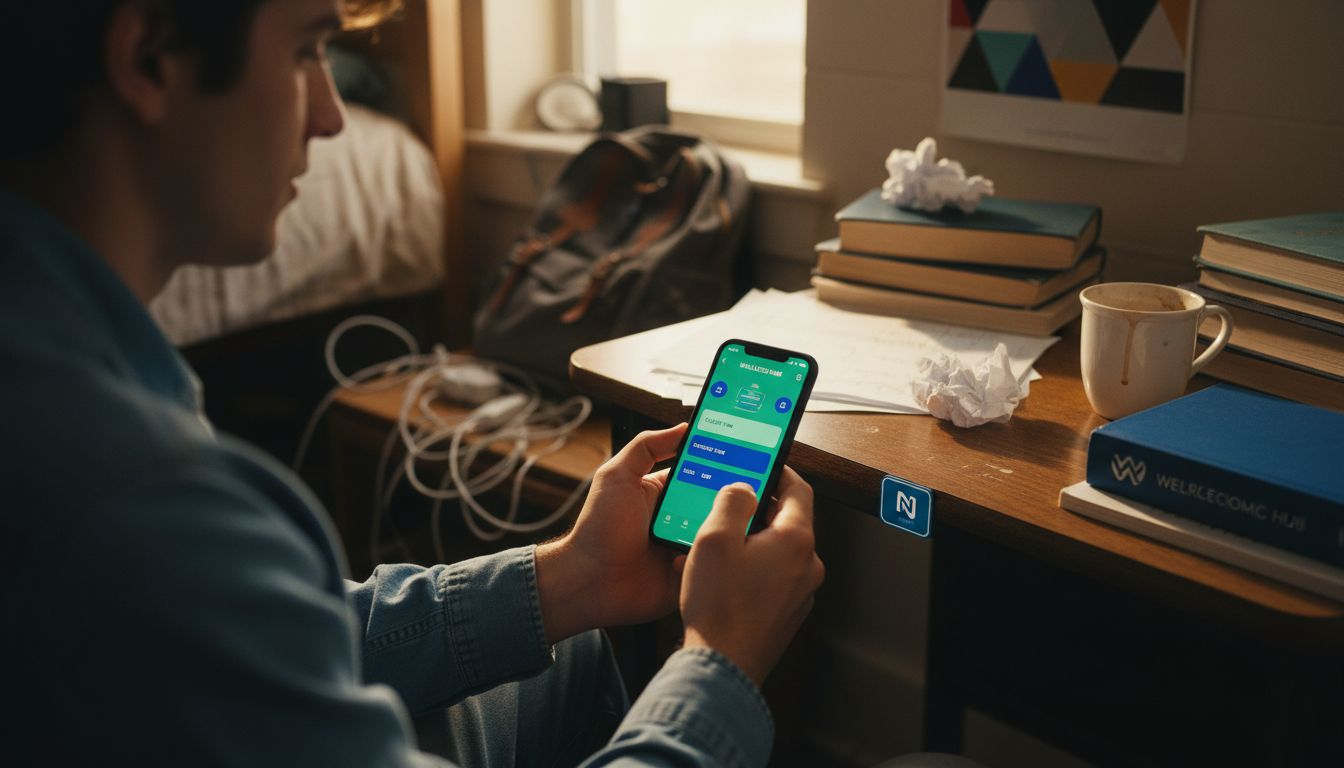
Anxiety reduction happens when you decrease exposure to comparison triggers and doom scrolling. Social media apps feed on your attention by presenting endless streams of content designed to keep you engaged. Breaking this cycle gives your mind space to process thoughts without constant digital interruption. Users report feeling calmer and more centered within weeks of implementing app locking systems.
Sleep improvements stem from reduced blue light exposure and decreased mental stimulation before bed. When you lock social media and entertainment apps in the evening, you naturally wind down earlier. Your body produces melatonin more effectively, and you fall asleep faster. Better sleep then cascades into improved focus, mood stability, and emotional regulation during the day.
Enhanced focus represents another major benefit. Constant app switching fragments your attention and makes deep work nearly impossible. By locking distracting apps during work hours, you train your brain to sustain attention for longer periods. This cognitive improvement extends beyond screen time, helping you think more clearly and solve problems more effectively. Exploring the mental health benefits of app locking reveals how small digital habit changes create significant wellness gains.
Quantified mental health improvements from app locking:
- 25% reduction in reported anxiety symptoms with 1-2 hours less daily screen time
- 20% improvement in sleep quality from evening app restrictions
- 30% increase in sustained focus during work or study sessions
- Measurable decreases in stress hormones when social media access is limited
Integrating physical tools: NFC tags and app locking
Combining NFC tags with app locking transforms a digital intervention into a holistic wellness practice. The physical dimension adds accountability and control that software alone cannot provide. Users report 40% greater perceived control over phone use and a 35% reduction in compulsive unlocking with NFC tag integration. These improvements happen because the physical tag creates a tangible barrier between impulse and action.
Privacy Health & Fitness Tracking Explained
Traditional app blocking lives entirely within your phone, making it easy to bypass or ignore. You can change settings, disable timers, or simply power through lockouts with enough frustration. NFC tags move the control point outside your device. To unlock restricted apps, you must physically walk to where you placed the tag. This creates distance that software restrictions cannot replicate.
Personalization amplifies these benefits. You can customize tag locations based on your daily routines and specific triggers. Place one tag in your kitchen to encourage device-free meals, another on your desk for focused work sessions, and a third on your nightstand for better sleep hygiene. Each tag becomes a physical reminder of your wellness intentions, reinforcing positive habits through environmental design.
Understanding the physical NFC tag integration benefits helps you see why this approach outperforms software-only solutions. Exploring wellness apps with NFC tag integration shows practical implementation examples.
Advantages of physical NFC integration:
- Creates accountability by requiring deliberate physical action to unlock apps
- Reduces impulsive phone checks by adding environmental friction
- Allows location-based customization that aligns with daily routines
- Provides tactile feedback that strengthens habit formation
Pro Tip: Start with one NFC tag in your most problematic location, like your bedroom. Master that habit before adding more tags to avoid overwhelming yourself with too many changes at once.
Common misconceptions about app locking for wellness
Many people hesitate to try app locking because of persistent myths that misrepresent how these systems work. The biggest misconception is that app locking is punitive and restrictive. In reality, wellness-focused app locking uses positive reinforcement and choice architecture. You maintain control over when and how you access apps, but the system introduces mindful friction that helps you recognize automatic behaviors.
Another myth suggests that app locking requires complete phone disconnection. This confuses app locking with digital detox, which are different strategies. App locking targets specific apps that drain your attention and well-being while leaving essential functions fully accessible. You can still use maps, messaging, calls, and productivity tools without restriction. The goal is selective reduction, not total elimination.
Some assume app locking is one-size-fits-all, but customization is actually central to its effectiveness. Modern wellness locking systems let you choose which apps to restrict, when to apply locks, and where to place physical tags. This flexibility ensures the approach fits your lifestyle rather than forcing you into a rigid framework. Just as lock maintenance requires personalized attention to function properly, your digital wellness system needs tailoring to your unique habits and triggers.
Understanding these misconceptions helps remove barriers to adoption. Debunking app locking myths reveals that effective wellness systems work with your life, not against it.
Common myths corrected:
- Myth: App locking is punishment-focused → Reality: Uses positive reinforcement and conscious choice
- Myth: Requires full phone disconnection → Reality: Targets only problematic apps while keeping essentials accessible
- Myth: One-size-fits-all approach → Reality: Highly customizable to match individual habits and schedules
- Myth: Physical tags are inconvenient → Reality: Strategic placement creates helpful environmental cues
Practical tips for using app locking systems effectively
Implementing app locking successfully requires strategic setup and sustained habit building. Start by establishing your baseline. Track your phone use for one week without restrictions to identify which apps consume most of your time and which situations trigger automatic phone checking. This data reveals where app locking will have the greatest impact.
Next, customize your NFC tag placement based on your baseline insights. If you scroll social media in bed, place a tag on your nightstand. If you get distracted during meals, put one in your kitchen. Match physical tags to your specific trouble spots for maximum effectiveness. Apps offering physical tag customization report 50% higher retention after 3 months due to increased user engagement and sense of ownership.
Schedule locks strategically around your daily rhythms. Lock entertainment apps during work hours, social media during family time, and all distracting apps one hour before bed. Create windows when apps are freely accessible so you don't feel constantly restricted. This balance prevents rebellion against your own system.
Habit stacking accelerates adoption. Link your app locking practice to existing routines. Every time you sit down for a meal, tap your kitchen NFC tag first. When you start work, tap your desk tag before opening your computer. These associations build automatic behaviors that reinforce your wellness goals. Following a step-by-step app locking setup and exploring customization and habit tips provides additional guidance.
Step-by-step setup process:
1. Track baseline phone use for one week to identify problem apps and trigger situations
2. Select 3-5 most distracting apps to lock initially, avoiding overwhelming changes
3. Place NFC tags in 2-3 strategic locations where you want mindful phone use
4. Schedule app locks around work hours, meals, and bedtime for balanced restriction
5. Stack app unlocking with existing routines to build automatic habit associations
6. Review progress weekly and adjust tag locations or schedules as needed
Pro Tip: Don't lock every distracting app at once. Start with your top two time-wasters, master that habit for two weeks, then add more restrictions gradually. Small wins build momentum better than overwhelming change.
Fitness-based app locking: combining physical activity with digital wellness
Emerging app locking methods are merging physical activity requirements with digital access, creating powerful motivation for movement. Fitness-based app locking requires you to complete physical activities like walking steps or exercise minutes before unlocking entertainment apps. This innovation addresses two wellness challenges simultaneously: excessive screen time and sedentary behavior.
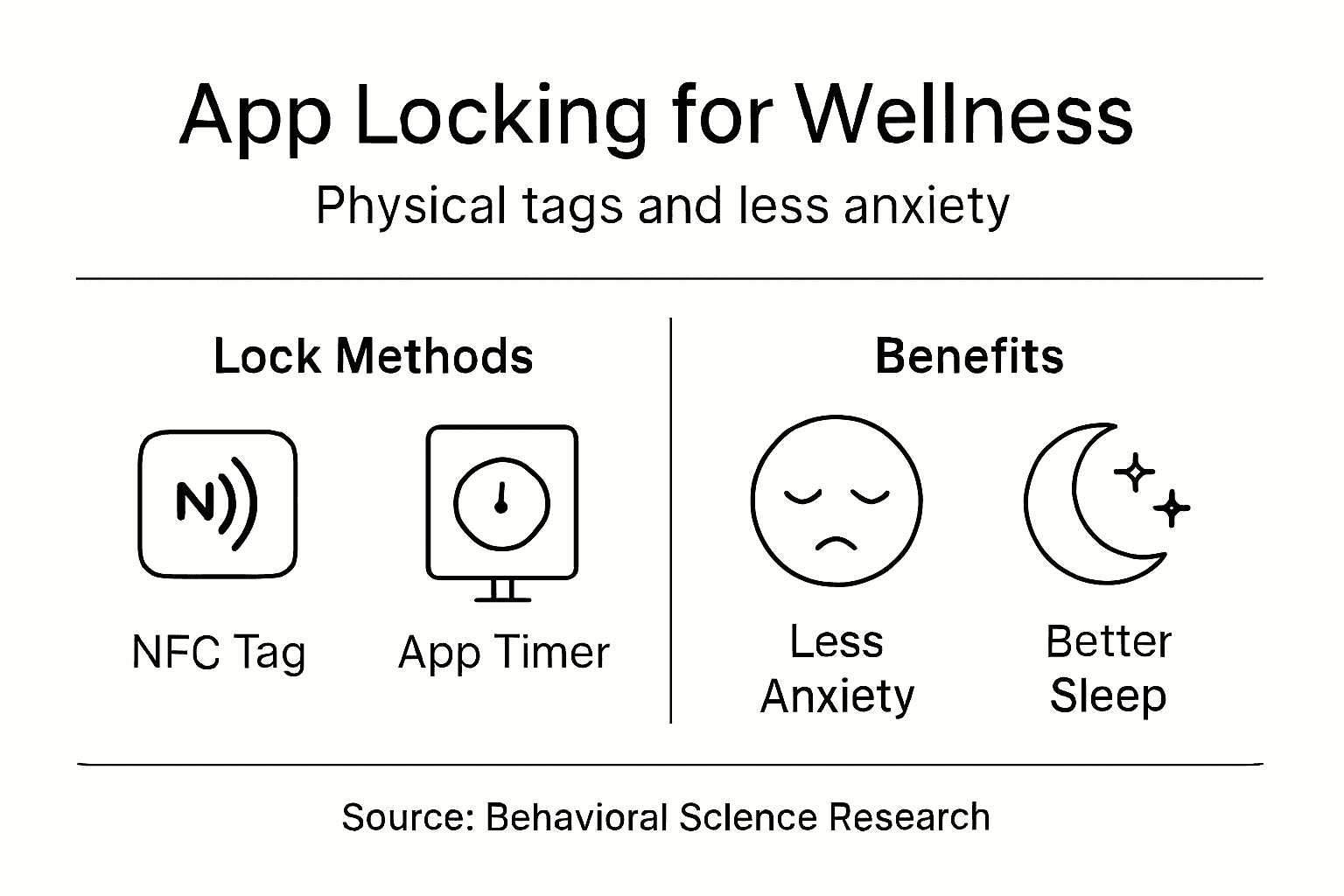
The mechanism leverages your desire for digital content as motivation for physical activity. Instead of simply restricting access, fitness locks create a trade: earn your screen time through movement. This positive exchange feels less restrictive than punishment-based blocking while promoting healthier behaviors. Users engage more consistently because they perceive value in the transaction rather than feeling deprived.
Data shows impressive results. Users of fitness-based app locking report 15% more physically active days per month compared to standard app blocking approaches. Engagement with the locking system also increases because the fitness component adds gamification and measurable progress. You can track both reduced screen time and increased activity, creating a virtuous cycle of wellness improvements.
The combination proves particularly effective for people who struggle with motivation for both digital wellness and fitness. By linking these goals, you create mutual reinforcement. Each workout earns guilt-free entertainment time, and each app unlock represents physical achievement. Exploring fitness app locking examples and discovering physical wellness tools shows how this integration works in practice.
Fitness-based locking benefits:
- Creates positive exchange between movement and screen time rather than pure restriction
- Increases physical activity days by 15% through built-in motivation
- Adds gamification elements that boost long-term engagement with wellness systems
- Addresses both digital wellness and physical health in one integrated approach
Conclusion: unlocking better wellness through app locking
App locking for wellness represents a practical, science-backed approach to reclaiming control over your digital life and improving mental health. By combining behavioral psychology with physical tools like NFC tags, you create environmental conditions that support mindful phone use without demanding total disconnection. The evidence is clear: reducing screen time through app locking decreases anxiety by 25%, improves sleep by 20%, and enhances focus throughout your day.
The future of wellness app locking looks promising, with innovations like fitness integration and advanced customization continuing to emerge. As more people recognize the mental health costs of excessive screen time, tools that merge physical and digital interventions will become central to personal wellness strategies. Start small, customize your approach, and remember that lasting change comes from consistent, conscious choices supported by smart environmental design.
Discover Well O'Clock: your partner in mindful tech habits
Ready to transform your relationship with your phone? Well O'Clock combines innovative NFC tag technology with intuitive app locking to help you reduce screen time and reclaim mental clarity. Our customizable system places control in your hands, not your phone, creating physical touchpoints that disrupt autopilot behaviors and build lasting wellness habits.
Explore the Well O'Clock blog for practical guides on implementing mindful tech habits and discover how NFC tags transform digital wellness in your daily life. Whether you're seeking better sleep, reduced anxiety, or enhanced focus, Well O'Clock provides the tools and support to make meaningful change achievable.
FAQ
What types of apps can be locked for wellness?
You can lock any app that disrupts your mental wellness or productivity. Commonly targeted apps include social media platforms, gaming apps, entertainment streaming services, and news aggregators. Most users focus on apps that trigger compulsive checking or time-wasting behaviors. The key is identifying which specific apps drain your attention and wellbeing, then locking those while keeping essential functions like calls, messages, and maps fully accessible.
Can I customize app locking to fit my lifestyle?
Yes, customization is central to effective app locking for wellness. You control which apps get locked, when restrictions apply, and where you place physical NFC tags. This flexibility lets you match the system to your daily routines and specific challenges. Personalization significantly boosts engagement and sustained habit change, with customizable systems achieving 50% higher retention rates after three months compared to rigid, one-size-fits-all approaches.
Does app locking interfere with emergency phone use?
No, wellness app locking systems preserve access to critical functions. Emergency calls and messages remain available regardless of which apps are locked. Most platforms allow quick override options for urgent situations while maintaining restrictions for routine use. The goal is to reduce mindless scrolling and distraction, not to prevent important communication or safety features from working when you genuinely need them.
How long does it take to see benefits from app locking?
Many users notice improvements in anxiety levels and focus within two to three weeks of consistent app locking use. Initial benefits emerge quickly as your brain adjusts to reduced digital stimulation and fewer comparison triggers. Sustained use over three months leads to stronger habit formation, with more significant sleep quality improvements and lasting behavior change. The key is maintaining consistency through the first month when new habits feel most challenging.

Mak Kordić
Co founder
Mak Kordić is the founder and CEO of CNJ Digital, an agency based in Ljubljana, where he and his team develop UX/UI and digital products for demanding B2B projects. Over his career, he has led and co-created hundreds of digital solutions and worked with international clients.







What is app locking for wellness? 25% less anxiety
Mak Kordić
,
March 10, 2026
Do you reach for your phone every few minutes, even when you don't need to? You're not alone. Excessive screen time fuels anxiety, disrupts sleep, and fractures focus. But what if locking certain apps could reverse these effects? Reducing screen time by 1-2 hours daily through app locking correlates with a 25% decrease in reported anxiety and a 20% improvement in sleep quality, making it a powerful tool for mental wellness. This guide reveals how app locking for wellness works, why it outperforms traditional blocking, and how physical tools like NFC tags transform digital habits.
Table of Contents
- Introduction To App Locking For Wellness
- How App Locking Works: Mechanisms And Behavioral Science
- Mental Health Benefits Of App Locking For Wellness
- Integrating Physical Tools: NFC Tags And App Locking
- Common Misconceptions About App Locking For Wellness
- Practical Tips For Using App Locking Systems Effectively
- Fitness-Based App Locking: Combining Physical Activity With Digital Wellness
- Conclusion: Unlocking Better Wellness Through App Locking
- Discover Well O'Clock: Your Partner In Mindful Tech Habits
- FAQ
Introduction to app locking for wellness
App locking for wellness isn't about punishing yourself or going cold turkey on technology. It's a habit-transforming tool rooted in behavioral psychology that helps you reclaim control over your digital life. Unlike generic app blockers that simply prevent access or full digital detox approaches that demand total disconnection, app locking for wellness uses positive behavioral psychology by physically interrupting phone usage through NFC tags, which helps users break autopilot phone habits more effectively than software-only solutions.
Traditional app blocking relies on willpower alone, creating a tug-of-war between your intentions and impulses. App locking for wellness adds a physical layer to this equation. By requiring you to tap an NFC tag placed strategically in your environment, you introduce a deliberate pause that disrupts the automatic reach for your phone. This tactile intervention creates a mental checkpoint, forcing you to ask whether you really need that app right now.
Merging physical tools like NFC tags with digital restrictions proves more effective because it leverages environmental design. Your phone stays in your pocket, but accessing distracting apps requires conscious effort. This combination addresses both the digital trigger and the physical habit loop, making lasting change more achievable. Understanding the importance of app locking for wellness starts with recognizing that sustainable behavior change needs more than software alone.
Key differences between app locking approaches:
- Traditional app blocking uses timers or passwords but stays entirely within your phone
- Digital detox demands complete phone avoidance, which feels impractical for modern life
- Wellness app locking combines physical interruption with selective app restriction for balanced digital habits
- Physical tools create environmental cues that reinforce mindful phone use without total disconnection
How app locking works: mechanisms and behavioral science
The science behind app locking for wellness centers on disrupting automatic behaviors through environmental design and positive reinforcement. When you place an NFC tag on your desk, nightstand, or kitchen counter, you transform these locations into decision points. Each time you want to unlock a restricted app, you must physically move to the tag and tap it. This extra step breaks the autopilot loop that drives most phone use.
Physical NFC tags provide a unique advantage by creating a tactile, external disruption to digital habits, which leads to more conscious phone use and stronger mental associations that support habit change. The tactile feedback from tapping a physical object creates a memorable sensory experience that software notifications cannot replicate. Your brain forms stronger associations between the physical action and the decision to use your phone, making you more aware of your choices.
Compare this to punitive app blocking, which simply denies access and triggers frustration. Punishment-based systems create negative emotions around phone use, making you feel controlled rather than empowered. App locking for wellness flips this dynamic by giving you agency. You can always unlock the app, but you must make a conscious choice to do so. This subtle shift from restriction to reflection builds lasting habit change.
Research supports this approach. Studies show that interventions combining physical and digital elements achieve better adherence than purely digital solutions. The behavioral science of app locking demonstrates that environmental modifications outperform willpower alone. By understanding the advantages of physical phone blockers, you can design an environment that supports your wellness goals.
How app locking creates lasting behavior change:
- Introduces friction between impulse and action, allowing time for conscious decision-making
- Replaces punishment with choice, fostering autonomy and reducing rebellion against restrictions
- Creates physical rituals that anchor new digital habits in your environment
- Builds mental associations between specific locations and mindful phone use
Pro Tip: Place NFC tags in locations where you want to be most present, like your bedroom or dining table. This creates environmental cues that naturally reduce phone use during important moments.
Mental health benefits of app locking for wellness
The mental health gains from reducing screen time through app locking are substantial and scientifically documented. Reducing screen time by 1-2 hours daily through app locking correlates with a 25% decrease in reported anxiety and a 20% improvement in sleep quality. These improvements emerge because excessive screen time, especially before bed, disrupts circadian rhythms and overstimulates your nervous system.
Anxiety reduction happens when you decrease exposure to comparison triggers and doom scrolling. Social media apps feed on your attention by presenting endless streams of content designed to keep you engaged. Breaking this cycle gives your mind space to process thoughts without constant digital interruption. Users report feeling calmer and more centered within weeks of implementing app locking systems.
Sleep improvements stem from reduced blue light exposure and decreased mental stimulation before bed. When you lock social media and entertainment apps in the evening, you naturally wind down earlier. Your body produces melatonin more effectively, and you fall asleep faster. Better sleep then cascades into improved focus, mood stability, and emotional regulation during the day.
Enhanced focus represents another major benefit. Constant app switching fragments your attention and makes deep work nearly impossible. By locking distracting apps during work hours, you train your brain to sustain attention for longer periods. This cognitive improvement extends beyond screen time, helping you think more clearly and solve problems more effectively. Exploring the mental health benefits of app locking reveals how small digital habit changes create significant wellness gains.
Quantified mental health improvements from app locking:
- 25% reduction in reported anxiety symptoms with 1-2 hours less daily screen time
- 20% improvement in sleep quality from evening app restrictions
- 30% increase in sustained focus during work or study sessions
- Measurable decreases in stress hormones when social media access is limited
Integrating physical tools: NFC tags and app locking
Combining NFC tags with app locking transforms a digital intervention into a holistic wellness practice. The physical dimension adds accountability and control that software alone cannot provide. Users report 40% greater perceived control over phone use and a 35% reduction in compulsive unlocking with NFC tag integration. These improvements happen because the physical tag creates a tangible barrier between impulse and action.
Privacy Health & Fitness Tracking Explained
Traditional app blocking lives entirely within your phone, making it easy to bypass or ignore. You can change settings, disable timers, or simply power through lockouts with enough frustration. NFC tags move the control point outside your device. To unlock restricted apps, you must physically walk to where you placed the tag. This creates distance that software restrictions cannot replicate.
Personalization amplifies these benefits. You can customize tag locations based on your daily routines and specific triggers. Place one tag in your kitchen to encourage device-free meals, another on your desk for focused work sessions, and a third on your nightstand for better sleep hygiene. Each tag becomes a physical reminder of your wellness intentions, reinforcing positive habits through environmental design.
Understanding the physical NFC tag integration benefits helps you see why this approach outperforms software-only solutions. Exploring wellness apps with NFC tag integration shows practical implementation examples.
Advantages of physical NFC integration:
- Creates accountability by requiring deliberate physical action to unlock apps
- Reduces impulsive phone checks by adding environmental friction
- Allows location-based customization that aligns with daily routines
- Provides tactile feedback that strengthens habit formation
Pro Tip: Start with one NFC tag in your most problematic location, like your bedroom. Master that habit before adding more tags to avoid overwhelming yourself with too many changes at once.
Common misconceptions about app locking for wellness
Many people hesitate to try app locking because of persistent myths that misrepresent how these systems work. The biggest misconception is that app locking is punitive and restrictive. In reality, wellness-focused app locking uses positive reinforcement and choice architecture. You maintain control over when and how you access apps, but the system introduces mindful friction that helps you recognize automatic behaviors.
Another myth suggests that app locking requires complete phone disconnection. This confuses app locking with digital detox, which are different strategies. App locking targets specific apps that drain your attention and well-being while leaving essential functions fully accessible. You can still use maps, messaging, calls, and productivity tools without restriction. The goal is selective reduction, not total elimination.
Some assume app locking is one-size-fits-all, but customization is actually central to its effectiveness. Modern wellness locking systems let you choose which apps to restrict, when to apply locks, and where to place physical tags. This flexibility ensures the approach fits your lifestyle rather than forcing you into a rigid framework. Just as lock maintenance requires personalized attention to function properly, your digital wellness system needs tailoring to your unique habits and triggers.
Understanding these misconceptions helps remove barriers to adoption. Debunking app locking myths reveals that effective wellness systems work with your life, not against it.
Common myths corrected:
- Myth: App locking is punishment-focused → Reality: Uses positive reinforcement and conscious choice
- Myth: Requires full phone disconnection → Reality: Targets only problematic apps while keeping essentials accessible
- Myth: One-size-fits-all approach → Reality: Highly customizable to match individual habits and schedules
- Myth: Physical tags are inconvenient → Reality: Strategic placement creates helpful environmental cues
Practical tips for using app locking systems effectively
Implementing app locking successfully requires strategic setup and sustained habit building. Start by establishing your baseline. Track your phone use for one week without restrictions to identify which apps consume most of your time and which situations trigger automatic phone checking. This data reveals where app locking will have the greatest impact.
Next, customize your NFC tag placement based on your baseline insights. If you scroll social media in bed, place a tag on your nightstand. If you get distracted during meals, put one in your kitchen. Match physical tags to your specific trouble spots for maximum effectiveness. Apps offering physical tag customization report 50% higher retention after 3 months due to increased user engagement and sense of ownership.
Schedule locks strategically around your daily rhythms. Lock entertainment apps during work hours, social media during family time, and all distracting apps one hour before bed. Create windows when apps are freely accessible so you don't feel constantly restricted. This balance prevents rebellion against your own system.
Habit stacking accelerates adoption. Link your app locking practice to existing routines. Every time you sit down for a meal, tap your kitchen NFC tag first. When you start work, tap your desk tag before opening your computer. These associations build automatic behaviors that reinforce your wellness goals. Following a step-by-step app locking setup and exploring customization and habit tips provides additional guidance.
Step-by-step setup process:
1. Track baseline phone use for one week to identify problem apps and trigger situations
2. Select 3-5 most distracting apps to lock initially, avoiding overwhelming changes
3. Place NFC tags in 2-3 strategic locations where you want mindful phone use
4. Schedule app locks around work hours, meals, and bedtime for balanced restriction
5. Stack app unlocking with existing routines to build automatic habit associations
6. Review progress weekly and adjust tag locations or schedules as needed
Pro Tip: Don't lock every distracting app at once. Start with your top two time-wasters, master that habit for two weeks, then add more restrictions gradually. Small wins build momentum better than overwhelming change.
Fitness-based app locking: combining physical activity with digital wellness
Emerging app locking methods are merging physical activity requirements with digital access, creating powerful motivation for movement. Fitness-based app locking requires you to complete physical activities like walking steps or exercise minutes before unlocking entertainment apps. This innovation addresses two wellness challenges simultaneously: excessive screen time and sedentary behavior.
The mechanism leverages your desire for digital content as motivation for physical activity. Instead of simply restricting access, fitness locks create a trade: earn your screen time through movement. This positive exchange feels less restrictive than punishment-based blocking while promoting healthier behaviors. Users engage more consistently because they perceive value in the transaction rather than feeling deprived.
Data shows impressive results. Users of fitness-based app locking report 15% more physically active days per month compared to standard app blocking approaches. Engagement with the locking system also increases because the fitness component adds gamification and measurable progress. You can track both reduced screen time and increased activity, creating a virtuous cycle of wellness improvements.
The combination proves particularly effective for people who struggle with motivation for both digital wellness and fitness. By linking these goals, you create mutual reinforcement. Each workout earns guilt-free entertainment time, and each app unlock represents physical achievement. Exploring fitness app locking examples and discovering physical wellness tools shows how this integration works in practice.
Fitness-based locking benefits:
- Creates positive exchange between movement and screen time rather than pure restriction
- Increases physical activity days by 15% through built-in motivation
- Adds gamification elements that boost long-term engagement with wellness systems
- Addresses both digital wellness and physical health in one integrated approach
Conclusion: unlocking better wellness through app locking
App locking for wellness represents a practical, science-backed approach to reclaiming control over your digital life and improving mental health. By combining behavioral psychology with physical tools like NFC tags, you create environmental conditions that support mindful phone use without demanding total disconnection. The evidence is clear: reducing screen time through app locking decreases anxiety by 25%, improves sleep by 20%, and enhances focus throughout your day.
The future of wellness app locking looks promising, with innovations like fitness integration and advanced customization continuing to emerge. As more people recognize the mental health costs of excessive screen time, tools that merge physical and digital interventions will become central to personal wellness strategies. Start small, customize your approach, and remember that lasting change comes from consistent, conscious choices supported by smart environmental design.
Discover Well O'Clock: your partner in mindful tech habits
Ready to transform your relationship with your phone? Well O'Clock combines innovative NFC tag technology with intuitive app locking to help you reduce screen time and reclaim mental clarity. Our customizable system places control in your hands, not your phone, creating physical touchpoints that disrupt autopilot behaviors and build lasting wellness habits.
Explore the Well O'Clock blog for practical guides on implementing mindful tech habits and discover how NFC tags transform digital wellness in your daily life. Whether you're seeking better sleep, reduced anxiety, or enhanced focus, Well O'Clock provides the tools and support to make meaningful change achievable.
FAQ
What types of apps can be locked for wellness?
You can lock any app that disrupts your mental wellness or productivity. Commonly targeted apps include social media platforms, gaming apps, entertainment streaming services, and news aggregators. Most users focus on apps that trigger compulsive checking or time-wasting behaviors. The key is identifying which specific apps drain your attention and wellbeing, then locking those while keeping essential functions like calls, messages, and maps fully accessible.
Can I customize app locking to fit my lifestyle?
Yes, customization is central to effective app locking for wellness. You control which apps get locked, when restrictions apply, and where you place physical NFC tags. This flexibility lets you match the system to your daily routines and specific challenges. Personalization significantly boosts engagement and sustained habit change, with customizable systems achieving 50% higher retention rates after three months compared to rigid, one-size-fits-all approaches.
Does app locking interfere with emergency phone use?
No, wellness app locking systems preserve access to critical functions. Emergency calls and messages remain available regardless of which apps are locked. Most platforms allow quick override options for urgent situations while maintaining restrictions for routine use. The goal is to reduce mindless scrolling and distraction, not to prevent important communication or safety features from working when you genuinely need them.
How long does it take to see benefits from app locking?
Many users notice improvements in anxiety levels and focus within two to three weeks of consistent app locking use. Initial benefits emerge quickly as your brain adjusts to reduced digital stimulation and fewer comparison triggers. Sustained use over three months leads to stronger habit formation, with more significant sleep quality improvements and lasting behavior change. The key is maintaining consistency through the first month when new habits feel most challenging.
Mak Kordić
Co founder
Mak Kordić is the founder and CEO of CNJ Digital, an agency based in Ljubljana, where he and his team develop UX/UI and digital products for demanding B2B projects. Over his career, he has led and co-created hundreds of digital solutions and worked with international clients.
What is app locking for wellness? 25% less anxiety
Mak Kordić
,
March 10, 2026
Do you reach for your phone every few minutes, even when you don't need to? You're not alone. Excessive screen time fuels anxiety, disrupts sleep, and fractures focus. But what if locking certain apps could reverse these effects? Reducing screen time by 1-2 hours daily through app locking correlates with a 25% decrease in reported anxiety and a 20% improvement in sleep quality, making it a powerful tool for mental wellness. This guide reveals how app locking for wellness works, why it outperforms traditional blocking, and how physical tools like NFC tags transform digital habits.
Table of Contents
- Introduction To App Locking For Wellness
- How App Locking Works: Mechanisms And Behavioral Science
- Mental Health Benefits Of App Locking For Wellness
- Integrating Physical Tools: NFC Tags And App Locking
- Common Misconceptions About App Locking For Wellness
- Practical Tips For Using App Locking Systems Effectively
- Fitness-Based App Locking: Combining Physical Activity With Digital Wellness
- Conclusion: Unlocking Better Wellness Through App Locking
- Discover Well O'Clock: Your Partner In Mindful Tech Habits
- FAQ
Introduction to app locking for wellness
App locking for wellness isn't about punishing yourself or going cold turkey on technology. It's a habit-transforming tool rooted in behavioral psychology that helps you reclaim control over your digital life. Unlike generic app blockers that simply prevent access or full digital detox approaches that demand total disconnection, app locking for wellness uses positive behavioral psychology by physically interrupting phone usage through NFC tags, which helps users break autopilot phone habits more effectively than software-only solutions.
Traditional app blocking relies on willpower alone, creating a tug-of-war between your intentions and impulses. App locking for wellness adds a physical layer to this equation. By requiring you to tap an NFC tag placed strategically in your environment, you introduce a deliberate pause that disrupts the automatic reach for your phone. This tactile intervention creates a mental checkpoint, forcing you to ask whether you really need that app right now.
Merging physical tools like NFC tags with digital restrictions proves more effective because it leverages environmental design. Your phone stays in your pocket, but accessing distracting apps requires conscious effort. This combination addresses both the digital trigger and the physical habit loop, making lasting change more achievable. Understanding the importance of app locking for wellness starts with recognizing that sustainable behavior change needs more than software alone.
Key differences between app locking approaches:
- Traditional app blocking uses timers or passwords but stays entirely within your phone
- Digital detox demands complete phone avoidance, which feels impractical for modern life
- Wellness app locking combines physical interruption with selective app restriction for balanced digital habits
- Physical tools create environmental cues that reinforce mindful phone use without total disconnection
How app locking works: mechanisms and behavioral science
The science behind app locking for wellness centers on disrupting automatic behaviors through environmental design and positive reinforcement. When you place an NFC tag on your desk, nightstand, or kitchen counter, you transform these locations into decision points. Each time you want to unlock a restricted app, you must physically move to the tag and tap it. This extra step breaks the autopilot loop that drives most phone use.
Physical NFC tags provide a unique advantage by creating a tactile, external disruption to digital habits, which leads to more conscious phone use and stronger mental associations that support habit change. The tactile feedback from tapping a physical object creates a memorable sensory experience that software notifications cannot replicate. Your brain forms stronger associations between the physical action and the decision to use your phone, making you more aware of your choices.
Compare this to punitive app blocking, which simply denies access and triggers frustration. Punishment-based systems create negative emotions around phone use, making you feel controlled rather than empowered. App locking for wellness flips this dynamic by giving you agency. You can always unlock the app, but you must make a conscious choice to do so. This subtle shift from restriction to reflection builds lasting habit change.
Research supports this approach. Studies show that interventions combining physical and digital elements achieve better adherence than purely digital solutions. The behavioral science of app locking demonstrates that environmental modifications outperform willpower alone. By understanding the advantages of physical phone blockers, you can design an environment that supports your wellness goals.
How app locking creates lasting behavior change:
- Introduces friction between impulse and action, allowing time for conscious decision-making
- Replaces punishment with choice, fostering autonomy and reducing rebellion against restrictions
- Creates physical rituals that anchor new digital habits in your environment
- Builds mental associations between specific locations and mindful phone use
Pro Tip: Place NFC tags in locations where you want to be most present, like your bedroom or dining table. This creates environmental cues that naturally reduce phone use during important moments.
Mental health benefits of app locking for wellness
The mental health gains from reducing screen time through app locking are substantial and scientifically documented. Reducing screen time by 1-2 hours daily through app locking correlates with a 25% decrease in reported anxiety and a 20% improvement in sleep quality. These improvements emerge because excessive screen time, especially before bed, disrupts circadian rhythms and overstimulates your nervous system.
Anxiety reduction happens when you decrease exposure to comparison triggers and doom scrolling. Social media apps feed on your attention by presenting endless streams of content designed to keep you engaged. Breaking this cycle gives your mind space to process thoughts without constant digital interruption. Users report feeling calmer and more centered within weeks of implementing app locking systems.
Sleep improvements stem from reduced blue light exposure and decreased mental stimulation before bed. When you lock social media and entertainment apps in the evening, you naturally wind down earlier. Your body produces melatonin more effectively, and you fall asleep faster. Better sleep then cascades into improved focus, mood stability, and emotional regulation during the day.
Enhanced focus represents another major benefit. Constant app switching fragments your attention and makes deep work nearly impossible. By locking distracting apps during work hours, you train your brain to sustain attention for longer periods. This cognitive improvement extends beyond screen time, helping you think more clearly and solve problems more effectively. Exploring the mental health benefits of app locking reveals how small digital habit changes create significant wellness gains.
Quantified mental health improvements from app locking:
- 25% reduction in reported anxiety symptoms with 1-2 hours less daily screen time
- 20% improvement in sleep quality from evening app restrictions
- 30% increase in sustained focus during work or study sessions
- Measurable decreases in stress hormones when social media access is limited
Integrating physical tools: NFC tags and app locking
Combining NFC tags with app locking transforms a digital intervention into a holistic wellness practice. The physical dimension adds accountability and control that software alone cannot provide. Users report 40% greater perceived control over phone use and a 35% reduction in compulsive unlocking with NFC tag integration. These improvements happen because the physical tag creates a tangible barrier between impulse and action.
Privacy Health & Fitness Tracking Explained
Traditional app blocking lives entirely within your phone, making it easy to bypass or ignore. You can change settings, disable timers, or simply power through lockouts with enough frustration. NFC tags move the control point outside your device. To unlock restricted apps, you must physically walk to where you placed the tag. This creates distance that software restrictions cannot replicate.
Personalization amplifies these benefits. You can customize tag locations based on your daily routines and specific triggers. Place one tag in your kitchen to encourage device-free meals, another on your desk for focused work sessions, and a third on your nightstand for better sleep hygiene. Each tag becomes a physical reminder of your wellness intentions, reinforcing positive habits through environmental design.
Understanding the physical NFC tag integration benefits helps you see why this approach outperforms software-only solutions. Exploring wellness apps with NFC tag integration shows practical implementation examples.
Advantages of physical NFC integration:
- Creates accountability by requiring deliberate physical action to unlock apps
- Reduces impulsive phone checks by adding environmental friction
- Allows location-based customization that aligns with daily routines
- Provides tactile feedback that strengthens habit formation
Pro Tip: Start with one NFC tag in your most problematic location, like your bedroom. Master that habit before adding more tags to avoid overwhelming yourself with too many changes at once.
Common misconceptions about app locking for wellness
Many people hesitate to try app locking because of persistent myths that misrepresent how these systems work. The biggest misconception is that app locking is punitive and restrictive. In reality, wellness-focused app locking uses positive reinforcement and choice architecture. You maintain control over when and how you access apps, but the system introduces mindful friction that helps you recognize automatic behaviors.
Another myth suggests that app locking requires complete phone disconnection. This confuses app locking with digital detox, which are different strategies. App locking targets specific apps that drain your attention and well-being while leaving essential functions fully accessible. You can still use maps, messaging, calls, and productivity tools without restriction. The goal is selective reduction, not total elimination.
Some assume app locking is one-size-fits-all, but customization is actually central to its effectiveness. Modern wellness locking systems let you choose which apps to restrict, when to apply locks, and where to place physical tags. This flexibility ensures the approach fits your lifestyle rather than forcing you into a rigid framework. Just as lock maintenance requires personalized attention to function properly, your digital wellness system needs tailoring to your unique habits and triggers.
Understanding these misconceptions helps remove barriers to adoption. Debunking app locking myths reveals that effective wellness systems work with your life, not against it.
Common myths corrected:
- Myth: App locking is punishment-focused → Reality: Uses positive reinforcement and conscious choice
- Myth: Requires full phone disconnection → Reality: Targets only problematic apps while keeping essentials accessible
- Myth: One-size-fits-all approach → Reality: Highly customizable to match individual habits and schedules
- Myth: Physical tags are inconvenient → Reality: Strategic placement creates helpful environmental cues
Practical tips for using app locking systems effectively
Implementing app locking successfully requires strategic setup and sustained habit building. Start by establishing your baseline. Track your phone use for one week without restrictions to identify which apps consume most of your time and which situations trigger automatic phone checking. This data reveals where app locking will have the greatest impact.
Next, customize your NFC tag placement based on your baseline insights. If you scroll social media in bed, place a tag on your nightstand. If you get distracted during meals, put one in your kitchen. Match physical tags to your specific trouble spots for maximum effectiveness. Apps offering physical tag customization report 50% higher retention after 3 months due to increased user engagement and sense of ownership.
Schedule locks strategically around your daily rhythms. Lock entertainment apps during work hours, social media during family time, and all distracting apps one hour before bed. Create windows when apps are freely accessible so you don't feel constantly restricted. This balance prevents rebellion against your own system.
Habit stacking accelerates adoption. Link your app locking practice to existing routines. Every time you sit down for a meal, tap your kitchen NFC tag first. When you start work, tap your desk tag before opening your computer. These associations build automatic behaviors that reinforce your wellness goals. Following a step-by-step app locking setup and exploring customization and habit tips provides additional guidance.
Step-by-step setup process:
1. Track baseline phone use for one week to identify problem apps and trigger situations
2. Select 3-5 most distracting apps to lock initially, avoiding overwhelming changes
3. Place NFC tags in 2-3 strategic locations where you want mindful phone use
4. Schedule app locks around work hours, meals, and bedtime for balanced restriction
5. Stack app unlocking with existing routines to build automatic habit associations
6. Review progress weekly and adjust tag locations or schedules as needed
Pro Tip: Don't lock every distracting app at once. Start with your top two time-wasters, master that habit for two weeks, then add more restrictions gradually. Small wins build momentum better than overwhelming change.
Fitness-based app locking: combining physical activity with digital wellness
Emerging app locking methods are merging physical activity requirements with digital access, creating powerful motivation for movement. Fitness-based app locking requires you to complete physical activities like walking steps or exercise minutes before unlocking entertainment apps. This innovation addresses two wellness challenges simultaneously: excessive screen time and sedentary behavior.
The mechanism leverages your desire for digital content as motivation for physical activity. Instead of simply restricting access, fitness locks create a trade: earn your screen time through movement. This positive exchange feels less restrictive than punishment-based blocking while promoting healthier behaviors. Users engage more consistently because they perceive value in the transaction rather than feeling deprived.
Data shows impressive results. Users of fitness-based app locking report 15% more physically active days per month compared to standard app blocking approaches. Engagement with the locking system also increases because the fitness component adds gamification and measurable progress. You can track both reduced screen time and increased activity, creating a virtuous cycle of wellness improvements.
The combination proves particularly effective for people who struggle with motivation for both digital wellness and fitness. By linking these goals, you create mutual reinforcement. Each workout earns guilt-free entertainment time, and each app unlock represents physical achievement. Exploring fitness app locking examples and discovering physical wellness tools shows how this integration works in practice.
Fitness-based locking benefits:
- Creates positive exchange between movement and screen time rather than pure restriction
- Increases physical activity days by 15% through built-in motivation
- Adds gamification elements that boost long-term engagement with wellness systems
- Addresses both digital wellness and physical health in one integrated approach
Conclusion: unlocking better wellness through app locking
App locking for wellness represents a practical, science-backed approach to reclaiming control over your digital life and improving mental health. By combining behavioral psychology with physical tools like NFC tags, you create environmental conditions that support mindful phone use without demanding total disconnection. The evidence is clear: reducing screen time through app locking decreases anxiety by 25%, improves sleep by 20%, and enhances focus throughout your day.
The future of wellness app locking looks promising, with innovations like fitness integration and advanced customization continuing to emerge. As more people recognize the mental health costs of excessive screen time, tools that merge physical and digital interventions will become central to personal wellness strategies. Start small, customize your approach, and remember that lasting change comes from consistent, conscious choices supported by smart environmental design.
Discover Well O'Clock: your partner in mindful tech habits
Ready to transform your relationship with your phone? Well O'Clock combines innovative NFC tag technology with intuitive app locking to help you reduce screen time and reclaim mental clarity. Our customizable system places control in your hands, not your phone, creating physical touchpoints that disrupt autopilot behaviors and build lasting wellness habits.
Explore the Well O'Clock blog for practical guides on implementing mindful tech habits and discover how NFC tags transform digital wellness in your daily life. Whether you're seeking better sleep, reduced anxiety, or enhanced focus, Well O'Clock provides the tools and support to make meaningful change achievable.
FAQ
What types of apps can be locked for wellness?
You can lock any app that disrupts your mental wellness or productivity. Commonly targeted apps include social media platforms, gaming apps, entertainment streaming services, and news aggregators. Most users focus on apps that trigger compulsive checking or time-wasting behaviors. The key is identifying which specific apps drain your attention and wellbeing, then locking those while keeping essential functions like calls, messages, and maps fully accessible.
Can I customize app locking to fit my lifestyle?
Yes, customization is central to effective app locking for wellness. You control which apps get locked, when restrictions apply, and where you place physical NFC tags. This flexibility lets you match the system to your daily routines and specific challenges. Personalization significantly boosts engagement and sustained habit change, with customizable systems achieving 50% higher retention rates after three months compared to rigid, one-size-fits-all approaches.
Does app locking interfere with emergency phone use?
No, wellness app locking systems preserve access to critical functions. Emergency calls and messages remain available regardless of which apps are locked. Most platforms allow quick override options for urgent situations while maintaining restrictions for routine use. The goal is to reduce mindless scrolling and distraction, not to prevent important communication or safety features from working when you genuinely need them.
How long does it take to see benefits from app locking?
Many users notice improvements in anxiety levels and focus within two to three weeks of consistent app locking use. Initial benefits emerge quickly as your brain adjusts to reduced digital stimulation and fewer comparison triggers. Sustained use over three months leads to stronger habit formation, with more significant sleep quality improvements and lasting behavior change. The key is maintaining consistency through the first month when new habits feel most challenging.
Mak Kordić
Co founder
Mak Kordić is the founder and CEO of CNJ Digital, an agency based in Ljubljana, where he and his team develop UX/UI and digital products for demanding B2B projects. Over his career, he has led and co-created hundreds of digital solutions and worked with international clients.