
What is mindful device use: a guide to healthier habits
Mak Kordić
,
April 13, 2026


You don't need to quit your phone to regain control. Mindful device use is about intentional engagement, not avoidance. Research shows that building presence while using devices creates stronger digital agency than simply cutting screen time. This guide reveals how to transform your relationship with technology through awareness, deliberate choices, and practical strategies that reduce compulsive scrolling while maintaining the benefits of connectivity. You'll discover evidence-based techniques to reclaim mental clarity, boost productivity, and cultivate balanced digital habits that actually stick.
Table of Contents
- Key takeaways
- Understanding mindful device use: intentional engagement over avoidance
- Core methodologies and practical steps for mindful device use
- Scientific benefits of mindful device use and screen time reduction
- Nuances and challenges: personalizing mindful device use for real life
- Discover tools to support your mindful device journey
- Frequently asked questions
Understanding mindful device use: intentional engagement over avoidance
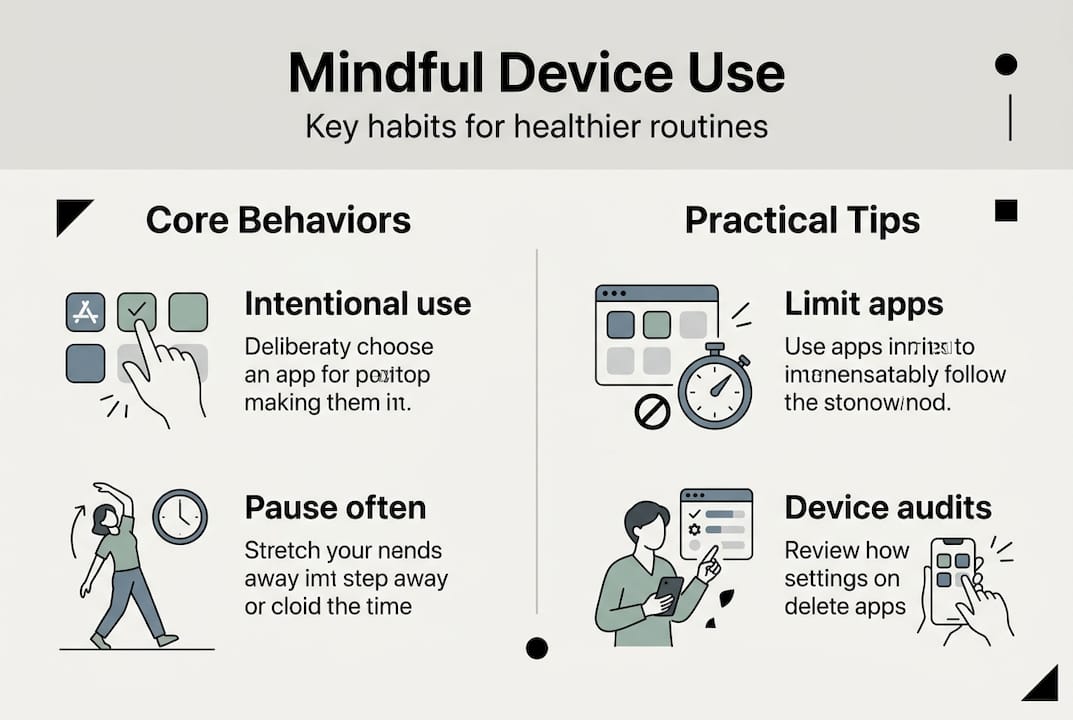
Mindful device use means intentional, aware engagement with digital devices to maintain presence and balance. Unlike passive scrolling or compulsive checking, this approach centers on deliberate choices about when, why, and how you interact with technology. You're not running from your phone but learning to use it with purpose and awareness.
The distinction matters because avoiding devices altogether can preserve fear rather than building the skills you need for healthy digital life. Expert Elaine Kasket emphasizes that device mindfulness develops agency, the sense of control over your technology rather than feeling controlled by it. When you practice mindful use, you're training yourself to notice the urge to check your phone, pause, and decide whether that action serves your current goals.
This practice includes several core elements:
- Setting clear intentions before opening apps or devices
- Maintaining present moment awareness during use
- Noticing when engagement becomes automatic or compulsive
- Taking mindful pauses between digital activities
- Choosing device interactions that align with your values
Mindfulness with technology teaches you to observe your digital behaviors without judgment. You might notice you reach for your phone during uncomfortable emotions or boredom. Instead of criticizing yourself, you simply acknowledge the pattern and make a conscious choice about whether to proceed. This builds self-awareness and strengthens your ability to respond thoughtfully rather than react automatically.
The goal isn't perfection or complete disconnection. You're cultivating a balanced relationship where technology serves your life rather than hijacking your attention. Understanding why mindful tech habits matter provides the foundation for implementing specific strategies that transform daily device interactions.
Pro Tip: Before unlocking your phone, take one conscious breath and ask yourself what specific task you intend to complete. This three-second pause interrupts autopilot behavior and strengthens intentional use.
Core methodologies and practical steps for mindful device use
Transforming device habits requires concrete strategies you can implement immediately. Start by auditing your screen time to identify patterns in your current usage. Most smartphones include built-in tracking that reveals which apps consume your attention and when you're most vulnerable to mindless scrolling. This data provides the baseline for meaningful change.
Once you understand your patterns, establish tech-free zones and times. Designate specific areas like your bedroom or dining table as device-free spaces. Create time boundaries such as no phones during the first hour after waking or the last hour before sleep. These physical and temporal boundaries reduce decision fatigue by removing the choice entirely in certain contexts.
Notification management is crucial for mindful device use:
1. Turn off all non-essential notifications
2. Enable Do Not Disturb mode during focused work or family time
3. Customize which apps can interrupt you
4. Schedule specific times to check messages rather than responding reactively
5. Use grayscale mode to reduce visual appeal of apps
The 20-20-20 rule supports eye health and creates natural breaks: every 20 minutes, look at something 20 feet away for 20 seconds. This simple practice interrupts extended screen sessions and gives you moments to reassess whether continued use serves your current needs.

Micro-practices replace compulsive phone checking with healthier alternatives. When you feel the urge to scroll, try a 30-second breathing exercise instead. Notice the impulse, acknowledge it, and choose a brief mindful activity that addresses the underlying need (connection, stimulation, or escape from discomfort). These substitutions gradually rewire automatic behaviors.
Implement phone-off rituals and intentional app opening by creating friction before accessing distracting apps. Some people place their phone in another room during work sessions. Others use app timers that require conscious override. The key is making mindless use slightly more difficult while keeping purposeful use accessible.
A smart workflow for healthy phone use combines these elements into a sustainable system. You're not relying on willpower alone but designing your environment and routines to support mindful choices. Small adjustments compound over time, making intentional device use your new default.
Pro Tip: Place a sticky note on your phone that asks "Why am I here?" This simple prompt interrupts automatic unlocking and reinforces intention-setting before each session.
These methodologies work because they address the root causes of mindless use rather than simply restricting access. You're building skills that translate across all digital contexts, creating lasting behavior change that supports reducing screen time naturally without feeling deprived.
Scientific benefits of mindful device use and screen time reduction
The evidence for mindful device use extends beyond anecdotal reports to rigorous scientific research. Randomized controlled trials demonstrate that reducing screen time to 2 hours daily reduces depressive symptoms by 40%, lowers stress levels, and improves sleep quality. These aren't marginal gains but substantial improvements in mental health markers that affect daily functioning.
Mindfulness practices specifically target the mechanisms behind problematic smartphone use. A comprehensive meta-analysis found that mindfulness negatively correlates with problematic use through improved emotion regulation and impulse control. When you can notice and manage uncomfortable feelings without immediately reaching for your phone, you break the cycle of compulsive checking that undermines well-being.
The quality of device engagement matters more than sheer quantity. Research reveals that intentional use predicts better attentional control (β=0.42) and well-being (β=0.37) compared to passive scrolling. You could spend the same amount of time on your phone, but purposeful use for learning, connecting meaningfully, or completing specific tasks produces entirely different outcomes than mindless consumption.
The biological impacts extend to measurable stress markers. Studies show improvements in cortisol levels and C-reactive protein (CRP) among individuals who reduce excessive screen time and practice mindful device use. Your body responds to the reduction in constant digital stimulation with lower physiological stress responses.
These benefits create a positive feedback loop. As you experience better sleep, reduced anxiety, and improved focus, the motivation to maintain mindful device habits strengthens. You're not sacrificing enjoyment but discovering that intentional engagement delivers more satisfaction than compulsive use ever did.
" The relationship between screen time and mental health isn't simply about duration. How we use our devices, the awareness we bring to that use, and our ability to disengage when needed determine whether technology enhances or diminishes our well-being. "
The research supports what many people discover through practice: boosting productivity through screen time reduction happens when you reclaim attention for deep work. Mindful device use doesn't just prevent harm but actively cultivates cognitive resources for challenging tasks that require sustained focus.
Key benefits backed by research include:
- Enhanced emotional resilience through better regulation strategies
- Improved sleep onset and quality from reduced evening screen exposure
- Stronger attentional control and resistance to distractions
- Lower symptoms of depression and anxiety
- Better interpersonal relationships from increased presence
Understanding these evidence-based outcomes helps you appreciate that mindful device use isn't just a wellness trend but a scientifically supported approach to digital life. The strategies you implement have measurable effects on your mental health, cognitive function, and overall quality of life. Learning to minimize device distractions becomes an investment in your long-term well-being supported by robust research findings.
Nuances and challenges: personalizing mindful device use for real life
Mindful device use isn't one-size-fits-all. Your relational contexts, accessibility needs, and workplace norms shape how you can realistically practice intentional engagement. A parent coordinating family schedules faces different constraints than a college student, and someone who relies on assistive technology needs different strategies than someone without accessibility considerations.
Workplace culture significantly impacts your ability to implement device boundaries. Some jobs require constant availability, making rigid tech-free times impractical. Others offer flexibility that supports deep work sessions without interruption. You need to assess your specific situation and adapt strategies accordingly rather than following generic advice that doesn't fit your reality.
Important considerations when personalizing your approach:
- Respect that others may have different relationships with technology
- Avoid imposing your digital norms on family members or colleagues
- Recognize that some people use devices for essential accessibility functions
- Consider cultural contexts that shape device use expectations
- Acknowledge that complete disconnection may not align with your values or responsibilities
The contrast between intentional use and pure detox approaches reveals a critical nuance. Some research indicates that abstinence or purist detox doesn't always improve well-being, particularly when motivation comes from external pressure rather than internal values. Skills and awareness matter more than simple avoidance.
Building mindful engagement develops competencies that serve you across contexts. You learn to notice when device use supports your goals and when it distracts from them. This discernment is more valuable than rigid rules that create stress or disconnect you from important relationships and information.
Common misconceptions can undermine your mindful device practice. Some people believe any phone use indicates failure, creating shame that actually increases compulsive behavior. Others think mindfulness means never experiencing the urge to check devices, when in reality you're training yourself to notice urges without automatically acting on them.
The goal is sustainable behavior change that fits your life. Mindful phone use for families looks different than individual practice because you're navigating multiple people's needs and modeling healthy habits for children. You might establish family tech-free dinners while still allowing educational screen time or video calls with distant relatives.
Pro Tip: When facing criticism for your device use, remember that mindful engagement is about your awareness and intention, not meeting someone else's arbitrary standards. Trust your assessment of whether specific device interactions serve your well-being.
Personalizing mindful device use means experimenting with different strategies, noticing what works for your specific circumstances, and adjusting as your life changes. You're developing a flexible skill set rather than following rigid rules, which makes the practice sustainable long-term. The nuances matter because they prevent the all-or-nothing thinking that leads to abandoning helpful practices when perfect adherence proves impossible.
Discover tools to support your mindful device journey
Transforming your digital habits becomes easier with the right support system. Well O'Clock offers a unique approach that combines physical NFC tags with a mobile app to help you interrupt autopilot phone use. When you tap a physical tag, you can lock distracting apps, creating a tangible boundary between you and compulsive scrolling.
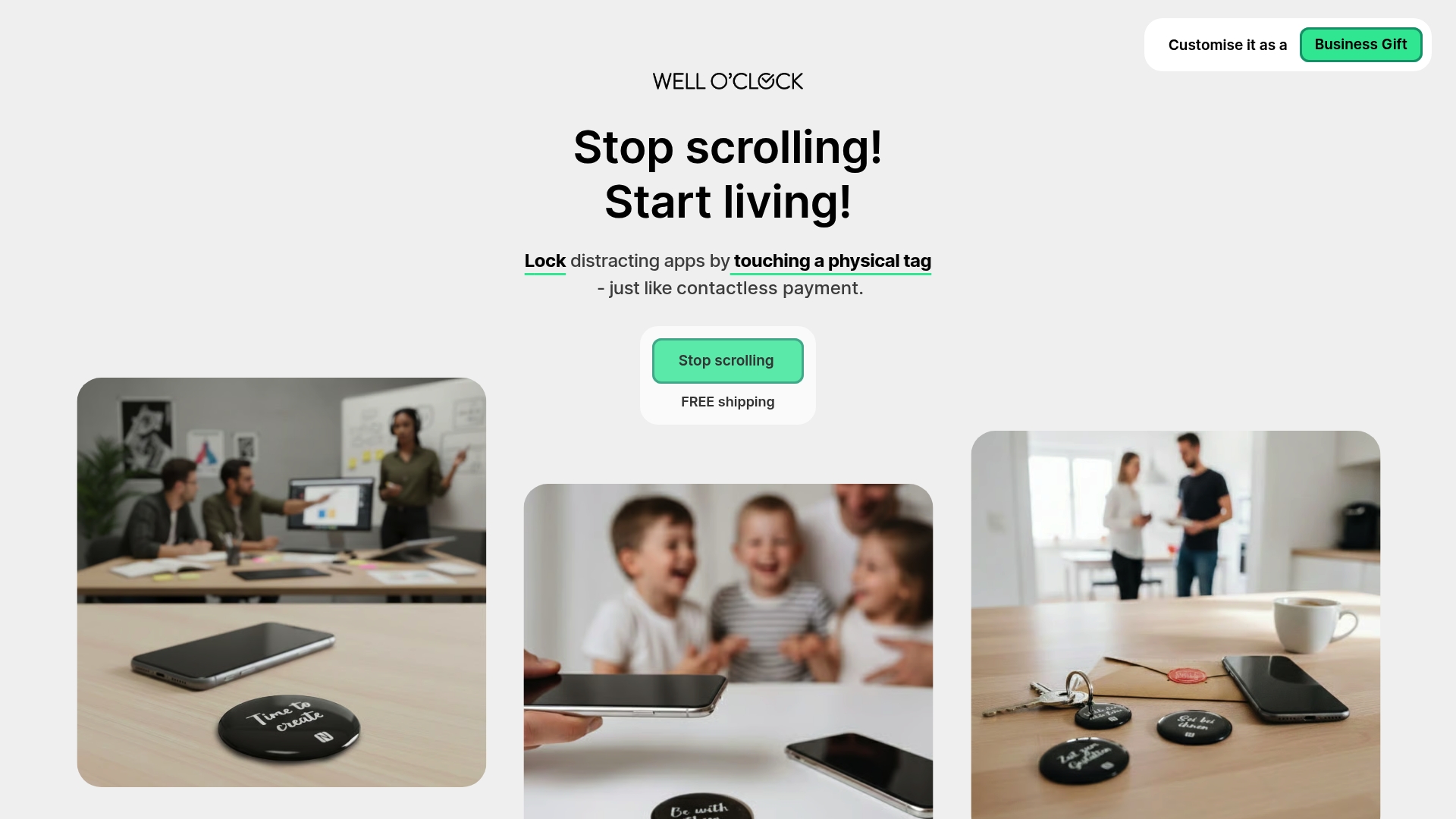
This outside-the-phone solution addresses a core challenge: your device can't effectively regulate itself. The physical tags provide a concrete action that reinforces intentional use. You're building the presence and agency that research shows leads to better mental clarity and productivity. The customizable workflows align perfectly with the mindful device strategies covered in this guide, supporting your journey toward healthier digital habits without requiring constant willpower.
Frequently asked questions
What is mindful device use?
Mindful device use is the practice of engaging with digital devices intentionally and with full awareness rather than automatically or compulsively. It means setting clear purposes before opening apps, maintaining presence during use, and choosing interactions that align with your values. Unlike digital detox that emphasizes complete avoidance, mindful use builds skills for healthy engagement with technology. This approach helps you maintain the benefits of connectivity while reducing the negative impacts of passive scrolling and compulsive checking. Learn more about screen time management basics to understand how intentional use differs from simple restriction.
How can I start practicing mindful device use?
Begin by auditing your current screen time to identify patterns and high-usage apps. Set a clear intention before unlocking your phone, asking yourself what specific task you want to complete. Create device-free zones in your home like the bedroom or dining area, and establish tech-free times such as the first and last hour of your day. Customize your notifications so only essential apps can interrupt you, and enable Do Not Disturb mode during focused work or family time. These small changes create friction that interrupts automatic behaviors. A smart workflow guide can help you design a sustainable system that supports mindful choices without relying solely on willpower.
Does mindful device use improve mental health?
Research consistently shows that mindful device use and reduced screen time improve multiple mental health markers. Studies demonstrate 40% reductions in depressive symptoms when screen time drops below 2 hours daily, along with lower stress levels and better sleep quality. Mindfulness practices support emotion regulation and impulse control, which reduces problematic smartphone behaviors that contribute to anxiety. The quality of device engagement matters more than quantity, with intentional use predicting better attentional control and overall well-being compared to passive scrolling. These improvements stem from reclaiming attention for meaningful activities and breaking compulsive checking cycles. Discover how to boost productivity through screen time reduction while improving your mental health.
What are common challenges in mindful device use?
Relational contexts and workplace norms often complicate mindful device practices, as jobs may require constant availability or family coordination depends on devices. Cultural expectations about responsiveness can create pressure that conflicts with personal boundaries. Avoid extreme detox approaches that generate anxiety rather than building skills, as research shows that motivation and gradual habit development matter more than strict avoidance. Accessibility needs vary widely, making one-size-fits-all rules inappropriate for many people. The key is personalizing strategies to fit your specific circumstances while building awareness and intentionality. Start with small, sustainable changes rather than attempting perfect adherence to rigid rules that don't match your reality.

Mak Kordić
Co founder
Mak Kordić is the founder and CEO of CNJ Digital, an agency based in Ljubljana, where he and his team develop UX/UI and digital products for demanding B2B projects. Over his career, he has led and co-created hundreds of digital solutions and worked with international clients.








What is mindful device use: a guide to healthier habits
Mak Kordić
,
April 13, 2026
You don't need to quit your phone to regain control. Mindful device use is about intentional engagement, not avoidance. Research shows that building presence while using devices creates stronger digital agency than simply cutting screen time. This guide reveals how to transform your relationship with technology through awareness, deliberate choices, and practical strategies that reduce compulsive scrolling while maintaining the benefits of connectivity. You'll discover evidence-based techniques to reclaim mental clarity, boost productivity, and cultivate balanced digital habits that actually stick.
Table of Contents
- Key takeaways
- Understanding mindful device use: intentional engagement over avoidance
- Core methodologies and practical steps for mindful device use
- Scientific benefits of mindful device use and screen time reduction
- Nuances and challenges: personalizing mindful device use for real life
- Discover tools to support your mindful device journey
- Frequently asked questions
Understanding mindful device use: intentional engagement over avoidance
Mindful device use means intentional, aware engagement with digital devices to maintain presence and balance. Unlike passive scrolling or compulsive checking, this approach centers on deliberate choices about when, why, and how you interact with technology. You're not running from your phone but learning to use it with purpose and awareness.
The distinction matters because avoiding devices altogether can preserve fear rather than building the skills you need for healthy digital life. Expert Elaine Kasket emphasizes that device mindfulness develops agency, the sense of control over your technology rather than feeling controlled by it. When you practice mindful use, you're training yourself to notice the urge to check your phone, pause, and decide whether that action serves your current goals.
This practice includes several core elements:
- Setting clear intentions before opening apps or devices
- Maintaining present moment awareness during use
- Noticing when engagement becomes automatic or compulsive
- Taking mindful pauses between digital activities
- Choosing device interactions that align with your values
Mindfulness with technology teaches you to observe your digital behaviors without judgment. You might notice you reach for your phone during uncomfortable emotions or boredom. Instead of criticizing yourself, you simply acknowledge the pattern and make a conscious choice about whether to proceed. This builds self-awareness and strengthens your ability to respond thoughtfully rather than react automatically.
The goal isn't perfection or complete disconnection. You're cultivating a balanced relationship where technology serves your life rather than hijacking your attention. Understanding why mindful tech habits matter provides the foundation for implementing specific strategies that transform daily device interactions.
Pro Tip: Before unlocking your phone, take one conscious breath and ask yourself what specific task you intend to complete. This three-second pause interrupts autopilot behavior and strengthens intentional use.
Core methodologies and practical steps for mindful device use
Transforming device habits requires concrete strategies you can implement immediately. Start by auditing your screen time to identify patterns in your current usage. Most smartphones include built-in tracking that reveals which apps consume your attention and when you're most vulnerable to mindless scrolling. This data provides the baseline for meaningful change.
Once you understand your patterns, establish tech-free zones and times. Designate specific areas like your bedroom or dining table as device-free spaces. Create time boundaries such as no phones during the first hour after waking or the last hour before sleep. These physical and temporal boundaries reduce decision fatigue by removing the choice entirely in certain contexts.
Notification management is crucial for mindful device use:
1. Turn off all non-essential notifications
2. Enable Do Not Disturb mode during focused work or family time
3. Customize which apps can interrupt you
4. Schedule specific times to check messages rather than responding reactively
5. Use grayscale mode to reduce visual appeal of apps
The 20-20-20 rule supports eye health and creates natural breaks: every 20 minutes, look at something 20 feet away for 20 seconds. This simple practice interrupts extended screen sessions and gives you moments to reassess whether continued use serves your current needs.
Micro-practices replace compulsive phone checking with healthier alternatives. When you feel the urge to scroll, try a 30-second breathing exercise instead. Notice the impulse, acknowledge it, and choose a brief mindful activity that addresses the underlying need (connection, stimulation, or escape from discomfort). These substitutions gradually rewire automatic behaviors.
Implement phone-off rituals and intentional app opening by creating friction before accessing distracting apps. Some people place their phone in another room during work sessions. Others use app timers that require conscious override. The key is making mindless use slightly more difficult while keeping purposeful use accessible.
A smart workflow for healthy phone use combines these elements into a sustainable system. You're not relying on willpower alone but designing your environment and routines to support mindful choices. Small adjustments compound over time, making intentional device use your new default.
Pro Tip: Place a sticky note on your phone that asks "Why am I here?" This simple prompt interrupts automatic unlocking and reinforces intention-setting before each session.
These methodologies work because they address the root causes of mindless use rather than simply restricting access. You're building skills that translate across all digital contexts, creating lasting behavior change that supports reducing screen time naturally without feeling deprived.
Scientific benefits of mindful device use and screen time reduction
The evidence for mindful device use extends beyond anecdotal reports to rigorous scientific research. Randomized controlled trials demonstrate that reducing screen time to 2 hours daily reduces depressive symptoms by 40%, lowers stress levels, and improves sleep quality. These aren't marginal gains but substantial improvements in mental health markers that affect daily functioning.
Mindfulness practices specifically target the mechanisms behind problematic smartphone use. A comprehensive meta-analysis found that mindfulness negatively correlates with problematic use through improved emotion regulation and impulse control. When you can notice and manage uncomfortable feelings without immediately reaching for your phone, you break the cycle of compulsive checking that undermines well-being.
The quality of device engagement matters more than sheer quantity. Research reveals that intentional use predicts better attentional control (β=0.42) and well-being (β=0.37) compared to passive scrolling. You could spend the same amount of time on your phone, but purposeful use for learning, connecting meaningfully, or completing specific tasks produces entirely different outcomes than mindless consumption.
The biological impacts extend to measurable stress markers. Studies show improvements in cortisol levels and C-reactive protein (CRP) among individuals who reduce excessive screen time and practice mindful device use. Your body responds to the reduction in constant digital stimulation with lower physiological stress responses.
These benefits create a positive feedback loop. As you experience better sleep, reduced anxiety, and improved focus, the motivation to maintain mindful device habits strengthens. You're not sacrificing enjoyment but discovering that intentional engagement delivers more satisfaction than compulsive use ever did.
" The relationship between screen time and mental health isn't simply about duration. How we use our devices, the awareness we bring to that use, and our ability to disengage when needed determine whether technology enhances or diminishes our well-being. "
The research supports what many people discover through practice: boosting productivity through screen time reduction happens when you reclaim attention for deep work. Mindful device use doesn't just prevent harm but actively cultivates cognitive resources for challenging tasks that require sustained focus.
Key benefits backed by research include:
- Enhanced emotional resilience through better regulation strategies
- Improved sleep onset and quality from reduced evening screen exposure
- Stronger attentional control and resistance to distractions
- Lower symptoms of depression and anxiety
- Better interpersonal relationships from increased presence
Understanding these evidence-based outcomes helps you appreciate that mindful device use isn't just a wellness trend but a scientifically supported approach to digital life. The strategies you implement have measurable effects on your mental health, cognitive function, and overall quality of life. Learning to minimize device distractions becomes an investment in your long-term well-being supported by robust research findings.
Nuances and challenges: personalizing mindful device use for real life
Mindful device use isn't one-size-fits-all. Your relational contexts, accessibility needs, and workplace norms shape how you can realistically practice intentional engagement. A parent coordinating family schedules faces different constraints than a college student, and someone who relies on assistive technology needs different strategies than someone without accessibility considerations.
Workplace culture significantly impacts your ability to implement device boundaries. Some jobs require constant availability, making rigid tech-free times impractical. Others offer flexibility that supports deep work sessions without interruption. You need to assess your specific situation and adapt strategies accordingly rather than following generic advice that doesn't fit your reality.
Important considerations when personalizing your approach:
- Respect that others may have different relationships with technology
- Avoid imposing your digital norms on family members or colleagues
- Recognize that some people use devices for essential accessibility functions
- Consider cultural contexts that shape device use expectations
- Acknowledge that complete disconnection may not align with your values or responsibilities
The contrast between intentional use and pure detox approaches reveals a critical nuance. Some research indicates that abstinence or purist detox doesn't always improve well-being, particularly when motivation comes from external pressure rather than internal values. Skills and awareness matter more than simple avoidance.
Building mindful engagement develops competencies that serve you across contexts. You learn to notice when device use supports your goals and when it distracts from them. This discernment is more valuable than rigid rules that create stress or disconnect you from important relationships and information.
Common misconceptions can undermine your mindful device practice. Some people believe any phone use indicates failure, creating shame that actually increases compulsive behavior. Others think mindfulness means never experiencing the urge to check devices, when in reality you're training yourself to notice urges without automatically acting on them.
The goal is sustainable behavior change that fits your life. Mindful phone use for families looks different than individual practice because you're navigating multiple people's needs and modeling healthy habits for children. You might establish family tech-free dinners while still allowing educational screen time or video calls with distant relatives.
Pro Tip: When facing criticism for your device use, remember that mindful engagement is about your awareness and intention, not meeting someone else's arbitrary standards. Trust your assessment of whether specific device interactions serve your well-being.
Personalizing mindful device use means experimenting with different strategies, noticing what works for your specific circumstances, and adjusting as your life changes. You're developing a flexible skill set rather than following rigid rules, which makes the practice sustainable long-term. The nuances matter because they prevent the all-or-nothing thinking that leads to abandoning helpful practices when perfect adherence proves impossible.
Discover tools to support your mindful device journey
Transforming your digital habits becomes easier with the right support system. Well O'Clock offers a unique approach that combines physical NFC tags with a mobile app to help you interrupt autopilot phone use. When you tap a physical tag, you can lock distracting apps, creating a tangible boundary between you and compulsive scrolling.
This outside-the-phone solution addresses a core challenge: your device can't effectively regulate itself. The physical tags provide a concrete action that reinforces intentional use. You're building the presence and agency that research shows leads to better mental clarity and productivity. The customizable workflows align perfectly with the mindful device strategies covered in this guide, supporting your journey toward healthier digital habits without requiring constant willpower.
Frequently asked questions
What is mindful device use?
Mindful device use is the practice of engaging with digital devices intentionally and with full awareness rather than automatically or compulsively. It means setting clear purposes before opening apps, maintaining presence during use, and choosing interactions that align with your values. Unlike digital detox that emphasizes complete avoidance, mindful use builds skills for healthy engagement with technology. This approach helps you maintain the benefits of connectivity while reducing the negative impacts of passive scrolling and compulsive checking. Learn more about screen time management basics to understand how intentional use differs from simple restriction.
How can I start practicing mindful device use?
Begin by auditing your current screen time to identify patterns and high-usage apps. Set a clear intention before unlocking your phone, asking yourself what specific task you want to complete. Create device-free zones in your home like the bedroom or dining area, and establish tech-free times such as the first and last hour of your day. Customize your notifications so only essential apps can interrupt you, and enable Do Not Disturb mode during focused work or family time. These small changes create friction that interrupts automatic behaviors. A smart workflow guide can help you design a sustainable system that supports mindful choices without relying solely on willpower.
Does mindful device use improve mental health?
Research consistently shows that mindful device use and reduced screen time improve multiple mental health markers. Studies demonstrate 40% reductions in depressive symptoms when screen time drops below 2 hours daily, along with lower stress levels and better sleep quality. Mindfulness practices support emotion regulation and impulse control, which reduces problematic smartphone behaviors that contribute to anxiety. The quality of device engagement matters more than quantity, with intentional use predicting better attentional control and overall well-being compared to passive scrolling. These improvements stem from reclaiming attention for meaningful activities and breaking compulsive checking cycles. Discover how to boost productivity through screen time reduction while improving your mental health.
What are common challenges in mindful device use?
Relational contexts and workplace norms often complicate mindful device practices, as jobs may require constant availability or family coordination depends on devices. Cultural expectations about responsiveness can create pressure that conflicts with personal boundaries. Avoid extreme detox approaches that generate anxiety rather than building skills, as research shows that motivation and gradual habit development matter more than strict avoidance. Accessibility needs vary widely, making one-size-fits-all rules inappropriate for many people. The key is personalizing strategies to fit your specific circumstances while building awareness and intentionality. Start with small, sustainable changes rather than attempting perfect adherence to rigid rules that don't match your reality.
Mak Kordić
Co founder
Mak Kordić is the founder and CEO of CNJ Digital, an agency based in Ljubljana, where he and his team develop UX/UI and digital products for demanding B2B projects. Over his career, he has led and co-created hundreds of digital solutions and worked with international clients.
What is mindful device use: a guide to healthier habits
Mak Kordić
,
April 13, 2026
You don't need to quit your phone to regain control. Mindful device use is about intentional engagement, not avoidance. Research shows that building presence while using devices creates stronger digital agency than simply cutting screen time. This guide reveals how to transform your relationship with technology through awareness, deliberate choices, and practical strategies that reduce compulsive scrolling while maintaining the benefits of connectivity. You'll discover evidence-based techniques to reclaim mental clarity, boost productivity, and cultivate balanced digital habits that actually stick.
Table of Contents
- Key takeaways
- Understanding mindful device use: intentional engagement over avoidance
- Core methodologies and practical steps for mindful device use
- Scientific benefits of mindful device use and screen time reduction
- Nuances and challenges: personalizing mindful device use for real life
- Discover tools to support your mindful device journey
- Frequently asked questions
Understanding mindful device use: intentional engagement over avoidance
Mindful device use means intentional, aware engagement with digital devices to maintain presence and balance. Unlike passive scrolling or compulsive checking, this approach centers on deliberate choices about when, why, and how you interact with technology. You're not running from your phone but learning to use it with purpose and awareness.
The distinction matters because avoiding devices altogether can preserve fear rather than building the skills you need for healthy digital life. Expert Elaine Kasket emphasizes that device mindfulness develops agency, the sense of control over your technology rather than feeling controlled by it. When you practice mindful use, you're training yourself to notice the urge to check your phone, pause, and decide whether that action serves your current goals.
This practice includes several core elements:
- Setting clear intentions before opening apps or devices
- Maintaining present moment awareness during use
- Noticing when engagement becomes automatic or compulsive
- Taking mindful pauses between digital activities
- Choosing device interactions that align with your values
Mindfulness with technology teaches you to observe your digital behaviors without judgment. You might notice you reach for your phone during uncomfortable emotions or boredom. Instead of criticizing yourself, you simply acknowledge the pattern and make a conscious choice about whether to proceed. This builds self-awareness and strengthens your ability to respond thoughtfully rather than react automatically.
The goal isn't perfection or complete disconnection. You're cultivating a balanced relationship where technology serves your life rather than hijacking your attention. Understanding why mindful tech habits matter provides the foundation for implementing specific strategies that transform daily device interactions.
Pro Tip: Before unlocking your phone, take one conscious breath and ask yourself what specific task you intend to complete. This three-second pause interrupts autopilot behavior and strengthens intentional use.
Core methodologies and practical steps for mindful device use
Transforming device habits requires concrete strategies you can implement immediately. Start by auditing your screen time to identify patterns in your current usage. Most smartphones include built-in tracking that reveals which apps consume your attention and when you're most vulnerable to mindless scrolling. This data provides the baseline for meaningful change.
Once you understand your patterns, establish tech-free zones and times. Designate specific areas like your bedroom or dining table as device-free spaces. Create time boundaries such as no phones during the first hour after waking or the last hour before sleep. These physical and temporal boundaries reduce decision fatigue by removing the choice entirely in certain contexts.
Notification management is crucial for mindful device use:
1. Turn off all non-essential notifications
2. Enable Do Not Disturb mode during focused work or family time
3. Customize which apps can interrupt you
4. Schedule specific times to check messages rather than responding reactively
5. Use grayscale mode to reduce visual appeal of apps
The 20-20-20 rule supports eye health and creates natural breaks: every 20 minutes, look at something 20 feet away for 20 seconds. This simple practice interrupts extended screen sessions and gives you moments to reassess whether continued use serves your current needs.
Micro-practices replace compulsive phone checking with healthier alternatives. When you feel the urge to scroll, try a 30-second breathing exercise instead. Notice the impulse, acknowledge it, and choose a brief mindful activity that addresses the underlying need (connection, stimulation, or escape from discomfort). These substitutions gradually rewire automatic behaviors.
Implement phone-off rituals and intentional app opening by creating friction before accessing distracting apps. Some people place their phone in another room during work sessions. Others use app timers that require conscious override. The key is making mindless use slightly more difficult while keeping purposeful use accessible.
A smart workflow for healthy phone use combines these elements into a sustainable system. You're not relying on willpower alone but designing your environment and routines to support mindful choices. Small adjustments compound over time, making intentional device use your new default.
Pro Tip: Place a sticky note on your phone that asks "Why am I here?" This simple prompt interrupts automatic unlocking and reinforces intention-setting before each session.
These methodologies work because they address the root causes of mindless use rather than simply restricting access. You're building skills that translate across all digital contexts, creating lasting behavior change that supports reducing screen time naturally without feeling deprived.
Scientific benefits of mindful device use and screen time reduction
The evidence for mindful device use extends beyond anecdotal reports to rigorous scientific research. Randomized controlled trials demonstrate that reducing screen time to 2 hours daily reduces depressive symptoms by 40%, lowers stress levels, and improves sleep quality. These aren't marginal gains but substantial improvements in mental health markers that affect daily functioning.
Mindfulness practices specifically target the mechanisms behind problematic smartphone use. A comprehensive meta-analysis found that mindfulness negatively correlates with problematic use through improved emotion regulation and impulse control. When you can notice and manage uncomfortable feelings without immediately reaching for your phone, you break the cycle of compulsive checking that undermines well-being.
The quality of device engagement matters more than sheer quantity. Research reveals that intentional use predicts better attentional control (β=0.42) and well-being (β=0.37) compared to passive scrolling. You could spend the same amount of time on your phone, but purposeful use for learning, connecting meaningfully, or completing specific tasks produces entirely different outcomes than mindless consumption.
The biological impacts extend to measurable stress markers. Studies show improvements in cortisol levels and C-reactive protein (CRP) among individuals who reduce excessive screen time and practice mindful device use. Your body responds to the reduction in constant digital stimulation with lower physiological stress responses.
These benefits create a positive feedback loop. As you experience better sleep, reduced anxiety, and improved focus, the motivation to maintain mindful device habits strengthens. You're not sacrificing enjoyment but discovering that intentional engagement delivers more satisfaction than compulsive use ever did.
" The relationship between screen time and mental health isn't simply about duration. How we use our devices, the awareness we bring to that use, and our ability to disengage when needed determine whether technology enhances or diminishes our well-being. "
The research supports what many people discover through practice: boosting productivity through screen time reduction happens when you reclaim attention for deep work. Mindful device use doesn't just prevent harm but actively cultivates cognitive resources for challenging tasks that require sustained focus.
Key benefits backed by research include:
- Enhanced emotional resilience through better regulation strategies
- Improved sleep onset and quality from reduced evening screen exposure
- Stronger attentional control and resistance to distractions
- Lower symptoms of depression and anxiety
- Better interpersonal relationships from increased presence
Understanding these evidence-based outcomes helps you appreciate that mindful device use isn't just a wellness trend but a scientifically supported approach to digital life. The strategies you implement have measurable effects on your mental health, cognitive function, and overall quality of life. Learning to minimize device distractions becomes an investment in your long-term well-being supported by robust research findings.
Nuances and challenges: personalizing mindful device use for real life
Mindful device use isn't one-size-fits-all. Your relational contexts, accessibility needs, and workplace norms shape how you can realistically practice intentional engagement. A parent coordinating family schedules faces different constraints than a college student, and someone who relies on assistive technology needs different strategies than someone without accessibility considerations.
Workplace culture significantly impacts your ability to implement device boundaries. Some jobs require constant availability, making rigid tech-free times impractical. Others offer flexibility that supports deep work sessions without interruption. You need to assess your specific situation and adapt strategies accordingly rather than following generic advice that doesn't fit your reality.
Important considerations when personalizing your approach:
- Respect that others may have different relationships with technology
- Avoid imposing your digital norms on family members or colleagues
- Recognize that some people use devices for essential accessibility functions
- Consider cultural contexts that shape device use expectations
- Acknowledge that complete disconnection may not align with your values or responsibilities
The contrast between intentional use and pure detox approaches reveals a critical nuance. Some research indicates that abstinence or purist detox doesn't always improve well-being, particularly when motivation comes from external pressure rather than internal values. Skills and awareness matter more than simple avoidance.
Building mindful engagement develops competencies that serve you across contexts. You learn to notice when device use supports your goals and when it distracts from them. This discernment is more valuable than rigid rules that create stress or disconnect you from important relationships and information.
Common misconceptions can undermine your mindful device practice. Some people believe any phone use indicates failure, creating shame that actually increases compulsive behavior. Others think mindfulness means never experiencing the urge to check devices, when in reality you're training yourself to notice urges without automatically acting on them.
The goal is sustainable behavior change that fits your life. Mindful phone use for families looks different than individual practice because you're navigating multiple people's needs and modeling healthy habits for children. You might establish family tech-free dinners while still allowing educational screen time or video calls with distant relatives.
Pro Tip: When facing criticism for your device use, remember that mindful engagement is about your awareness and intention, not meeting someone else's arbitrary standards. Trust your assessment of whether specific device interactions serve your well-being.
Personalizing mindful device use means experimenting with different strategies, noticing what works for your specific circumstances, and adjusting as your life changes. You're developing a flexible skill set rather than following rigid rules, which makes the practice sustainable long-term. The nuances matter because they prevent the all-or-nothing thinking that leads to abandoning helpful practices when perfect adherence proves impossible.
Discover tools to support your mindful device journey
Transforming your digital habits becomes easier with the right support system. Well O'Clock offers a unique approach that combines physical NFC tags with a mobile app to help you interrupt autopilot phone use. When you tap a physical tag, you can lock distracting apps, creating a tangible boundary between you and compulsive scrolling.
This outside-the-phone solution addresses a core challenge: your device can't effectively regulate itself. The physical tags provide a concrete action that reinforces intentional use. You're building the presence and agency that research shows leads to better mental clarity and productivity. The customizable workflows align perfectly with the mindful device strategies covered in this guide, supporting your journey toward healthier digital habits without requiring constant willpower.
Frequently asked questions
What is mindful device use?
Mindful device use is the practice of engaging with digital devices intentionally and with full awareness rather than automatically or compulsively. It means setting clear purposes before opening apps, maintaining presence during use, and choosing interactions that align with your values. Unlike digital detox that emphasizes complete avoidance, mindful use builds skills for healthy engagement with technology. This approach helps you maintain the benefits of connectivity while reducing the negative impacts of passive scrolling and compulsive checking. Learn more about screen time management basics to understand how intentional use differs from simple restriction.
How can I start practicing mindful device use?
Begin by auditing your current screen time to identify patterns and high-usage apps. Set a clear intention before unlocking your phone, asking yourself what specific task you want to complete. Create device-free zones in your home like the bedroom or dining area, and establish tech-free times such as the first and last hour of your day. Customize your notifications so only essential apps can interrupt you, and enable Do Not Disturb mode during focused work or family time. These small changes create friction that interrupts automatic behaviors. A smart workflow guide can help you design a sustainable system that supports mindful choices without relying solely on willpower.
Does mindful device use improve mental health?
Research consistently shows that mindful device use and reduced screen time improve multiple mental health markers. Studies demonstrate 40% reductions in depressive symptoms when screen time drops below 2 hours daily, along with lower stress levels and better sleep quality. Mindfulness practices support emotion regulation and impulse control, which reduces problematic smartphone behaviors that contribute to anxiety. The quality of device engagement matters more than quantity, with intentional use predicting better attentional control and overall well-being compared to passive scrolling. These improvements stem from reclaiming attention for meaningful activities and breaking compulsive checking cycles. Discover how to boost productivity through screen time reduction while improving your mental health.
What are common challenges in mindful device use?
Relational contexts and workplace norms often complicate mindful device practices, as jobs may require constant availability or family coordination depends on devices. Cultural expectations about responsiveness can create pressure that conflicts with personal boundaries. Avoid extreme detox approaches that generate anxiety rather than building skills, as research shows that motivation and gradual habit development matter more than strict avoidance. Accessibility needs vary widely, making one-size-fits-all rules inappropriate for many people. The key is personalizing strategies to fit your specific circumstances while building awareness and intentionality. Start with small, sustainable changes rather than attempting perfect adherence to rigid rules that don't match your reality.
Mak Kordić
Co founder
Mak Kordić is the founder and CEO of CNJ Digital, an agency based in Ljubljana, where he and his team develop UX/UI and digital products for demanding B2B projects. Over his career, he has led and co-created hundreds of digital solutions and worked with international clients.