
Why monitor kids' screen time for healthier family
Mak Kordić
,
March 13, 2026

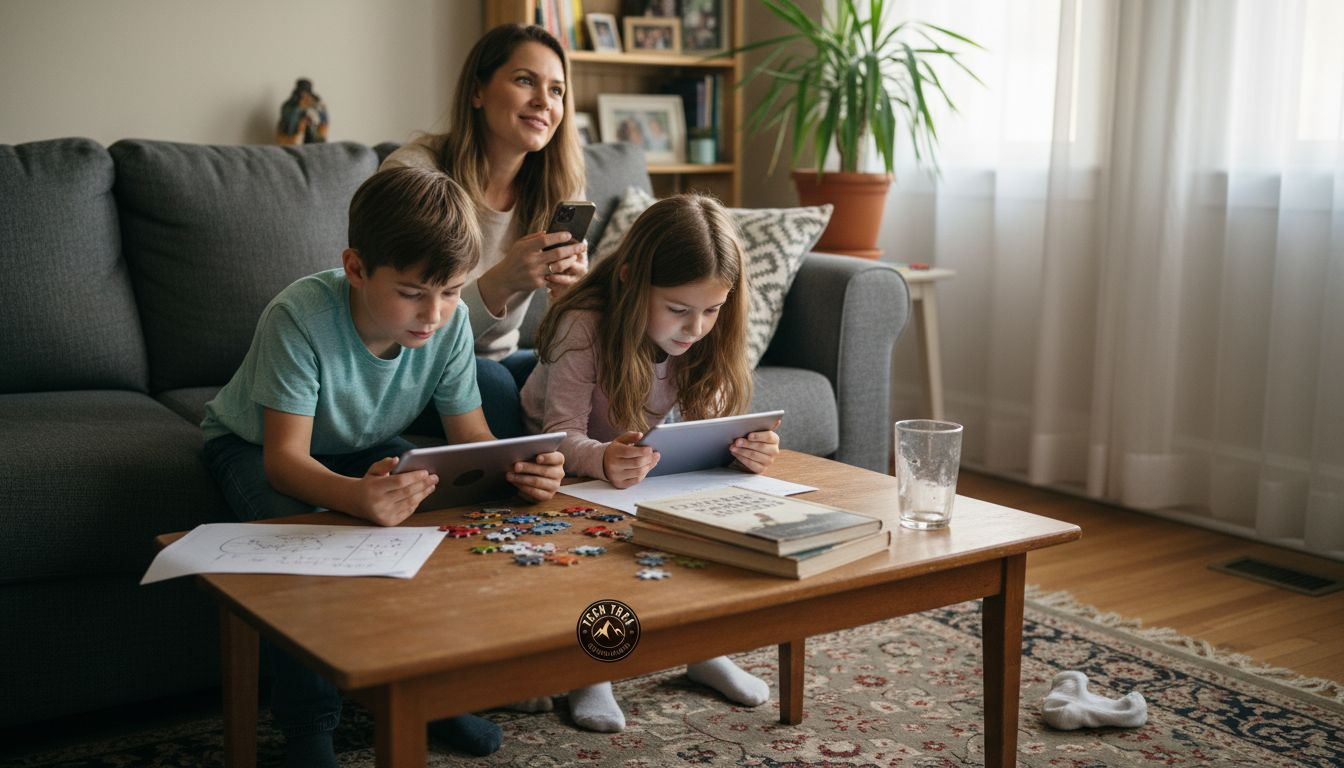
Children aged 8 to 12 spend an average of 4 to 6 hours daily on screens, nearly triple the recommended limit. This excessive use impacts sleep, mental health, and family bonds in measurable ways. Understanding why monitoring matters and how to do it effectively empowers you to foster healthier digital habits and stronger family connections.
Table of Contents
- Understanding The Current Scope Of Kids' Screen Time
- How Excessive Screen Time Affects Children's Health And Development
- What Most Parents Get Wrong About Screen Time
- Practical Frameworks And Tools To Monitor And Manage Kids' Screen Time
- Improving Family Well-Being Through Screen Time Monitoring
- Discover Tools To Help Manage Your Child's Screen Time
- Frequently Asked Questions About Monitoring Kids' Screen Time
Understanding the current scope of kids' screen time
The reality of children's screen time is far more concerning than most parents realize. Kids aged 8 to 12 spend an average of 4 to 6 hours daily on screens, far exceeding healthy limits. The American Academy of Pediatrics recommends no more than 2 hours of recreational screen time per day for this age group.
Yet many parents remain unaware of just how much time their children spend on devices. Research shows parents often underestimate their children's screen time by as much as 50%, which prevents effective monitoring and intervention. This perception gap creates a false sense of security, allowing harmful habits to develop unchecked.
This gap highlights why objective monitoring matters. Without accurate data, you cannot implement effective limits or screen time reduction tips that genuinely work. Closing this awareness gap is the first step toward healthier family digital habits.
Pro Tip: Track your child's actual screen time for one week using device settings or apps before making any changes. The real numbers often surprise parents and motivate action.
How excessive screen time affects children's health and development
The consequences of too much screen time extend far beyond wasted hours. Excessive device use measurably harms children's mental health, sleep quality, and cognitive development in ways that persist over time.
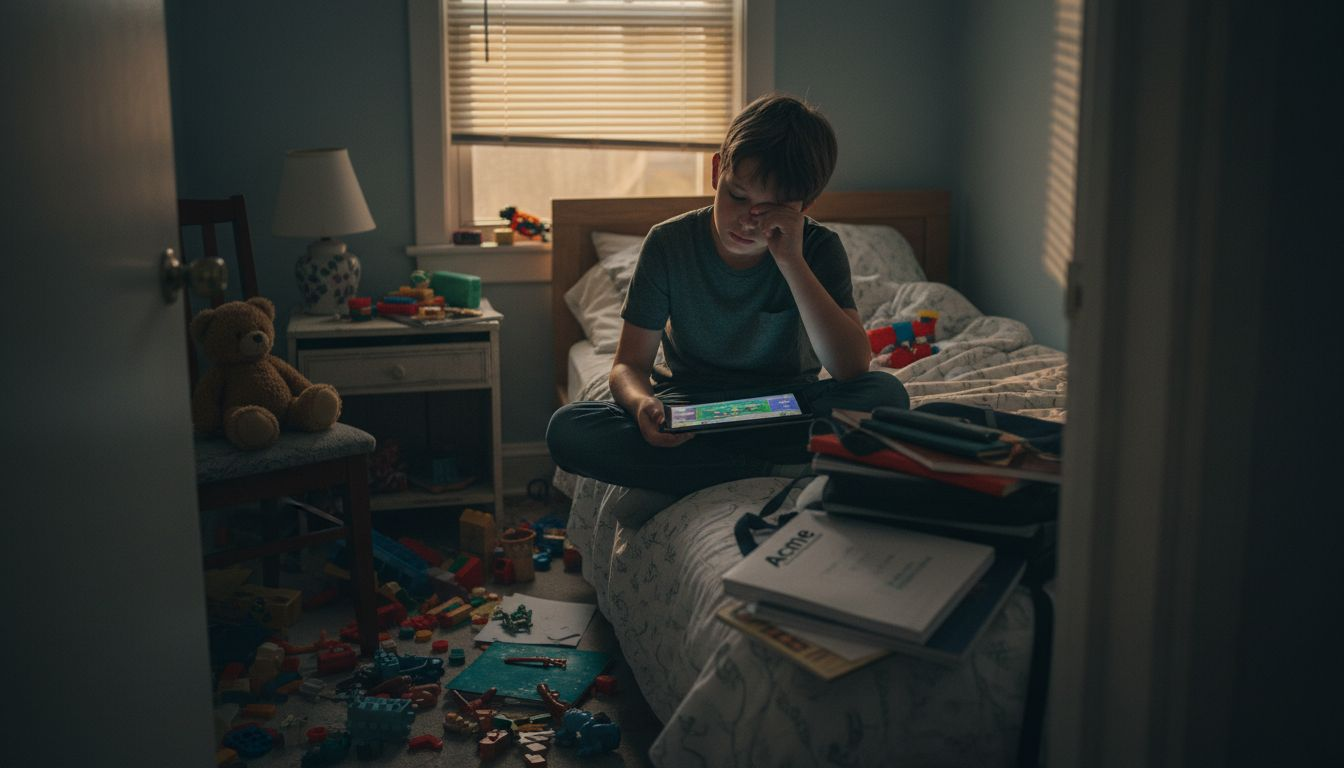
Mental health suffers significantly. Studies show children with more than 2 hours of daily screen use face a 34% increased risk of anxiety and depression. This correlation stems from reduced face-to-face interaction, exposure to cyberbullying, and constant social comparison on platforms.
Sleep disruption represents another critical impact. Children with over 2 hours of screen time daily experience 30 to 40 minutes less sleep on average, leading to measurable impairments in attention and cognitive performance. Blue light exposure and stimulating content before bed interfere with natural sleep cycles.
Neurological effects include reduced self-regulation and increased impulsivity. Constant digital stimulation trains young brains to expect immediate gratification, making it harder for children to focus on tasks requiring sustained attention. This pattern affects academic performance and social skills development.
Key health and developmental consequences include:
- Heightened anxiety and depression risk from social media exposure and reduced real-world connection
- Significant sleep loss affecting cognitive function, memory consolidation, and emotional regulation
- Impaired attention span and executive function due to constant task switching and digital interruptions
- Reduced physical activity contributing to obesity and cardiovascular health concerns
- Delayed social skill development from replacing face-to-face interaction with screen-based communication
These impacts compound over time, making early intervention critical. Reducing screen time naturally addresses these risks before they become entrenched patterns.
Pro Tip: Prioritize eliminating screen use in the hour before bedtime to dramatically improve sleep quality and next-day focus.
What most parents get wrong about screen time
Common misconceptions about screen time prevent parents from taking effective action. Understanding these myths helps you develop strategies that actually work.
The biggest mistake is underestimating actual usage. Parents often underestimate their children's screen time by as much as 50%, which blocks effective management. Without accurate baseline data, any limits you set lack grounding in reality.
Another widespread myth treats all screen time equally. Educational apps and interactive video calls with grandparents differ vastly from passive consumption of entertainment videos. Research shows passive screen use correlates more strongly with negative outcomes than interactive or educational activities.
Many parents also believe verbal limits alone suffice. Simply telling children to reduce screen time rarely works without behavioral strategies, environmental changes, and positive alternatives. Kids need structure, not just instructions.
Common myths versus facts:
- Myth: My child uses screens less than average. Fact: Most parents underestimate usage by 50% or more without objective tracking.
- Myth: All screen time harms children equally. Fact: Passive entertainment consumption causes more harm than interactive educational use.
- Myth: Setting verbal limits is enough. Fact: Effective reduction requires behavioral strategies, tools, and mindful phone use modeling.
- Myth: Screens only affect very young children. Fact: Screen time impacts health and development through adolescence and beyond.
- Myth: Educational content justifies unlimited screen time. Fact: Even educational screen use should stay within recommended daily limits.
Understanding these distinctions allows you to focus energy where it matters most. The key is combining accurate monitoring with evidence-based strategies rather than relying on assumptions or oversimplified rules.
Practical frameworks and tools to monitor and manage kids' screen time
Effective screen time management requires both behavioral strategies and practical tools working together. Research-backed approaches help you move from concern to action.
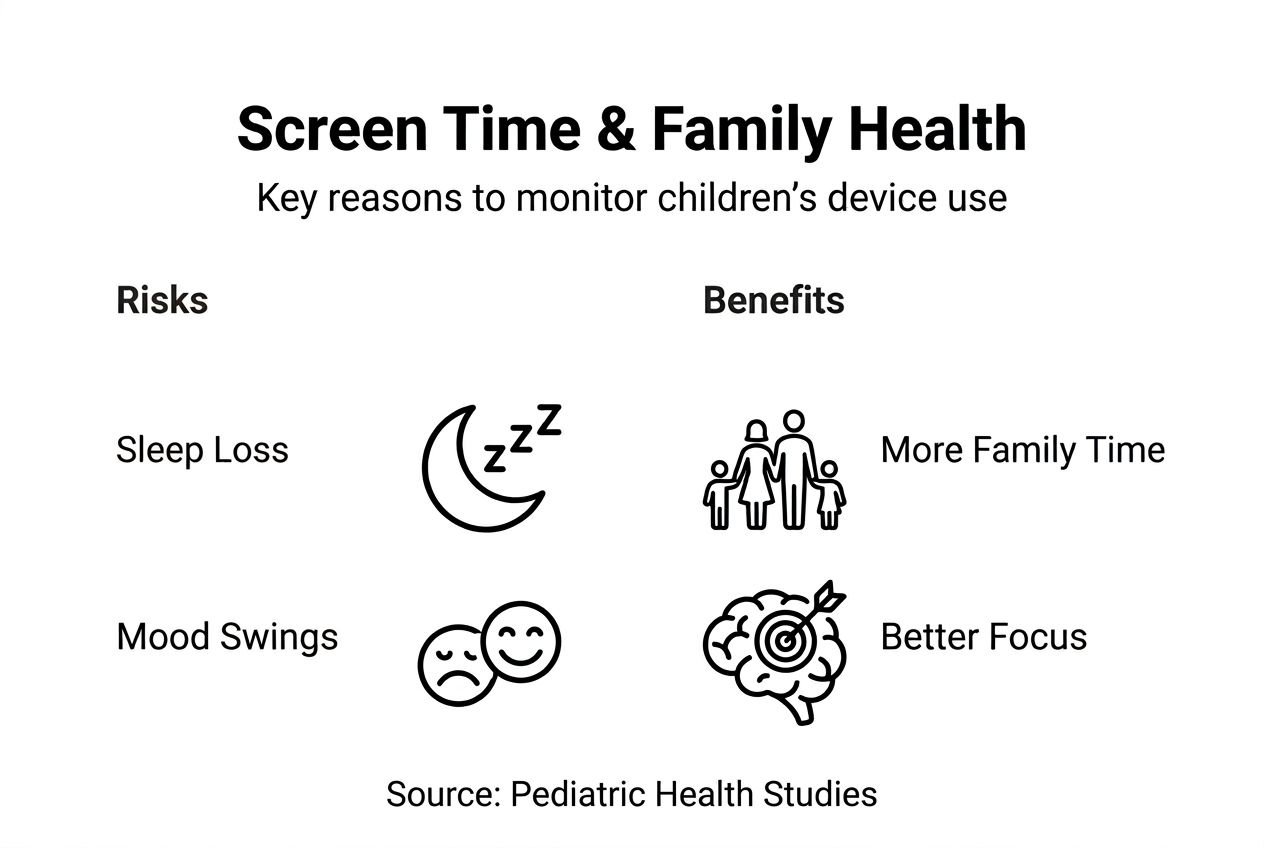
Start by assessing current usage objectively. Use built-in device tracking features or third-party apps to measure actual screen time for one week. This baseline reveals the true scope of the challenge and helps you set realistic goals.
Parental modeling matters enormously. Children mimic adult behavior, so examining your own screen habits is essential. Setting consistent screen time limits combined with parental modeling reduces children's screen use by roughly 30% and improves family cohesion.
Physical tools provide tangible intervention points. NFC tags that lock distracting apps with a simple tap disrupt habitual phone use effectively. This outside-the-phone approach can reduce screen time by 20% by creating friction at the moment of temptation.
Follow this framework for sustainable change:
1. Assess current usage using device settings or monitoring apps to establish an accurate baseline for each child.
2. Educate your children about health impacts using age-appropriate language and involving them in goal setting.
3. Set clear limits for recreational screen time aligned with AAP guidelines and your family values.
4. Use physical tools like NFC tags to create barriers at critical moments and support breaking screen addiction.
5. Foster alternatives by creating screen-free zones and times, and providing engaging non-digital activities.
6. Monitor progress weekly, adjusting strategies based on what works for your unique family dynamics.
The combined approach works because it addresses multiple behavioral pathways simultaneously. Limits set boundaries, modeling demonstrates values, and physical tools provide concrete support for minimizing device distractions.
Pro Tip: Combine behavioral limits with positive family screen-free activities like game nights, outdoor adventures, or creative projects for best results and highest compliance.
Improving family well-being through screen time monitoring
Managing kids' screen time creates ripple effects that strengthen family bonds and improve overall household quality of life. The benefits extend far beyond individual health outcomes.
Are Screens RUINING Your Kid’s Brain?
High screen time reduces face-to-face family interactions significantly. Research shows less screen time correlates with 20 to 35% stronger family interaction scores and improved emotional support. When devices dominate attention, meaningful conversation and connection suffer.
Lower screen time improves multiple well-being markers simultaneously. Children experience better sleep quality, reduced anxiety, and enhanced emotional regulation. Parents report feeling more connected to their children and more satisfied with family dynamics.
Key family benefits include:
- Stronger emotional bonds from increased face-to-face time and shared non-digital activities
- Improved communication as family members practice active listening without device distractions
- Enhanced problem-solving when children develop patience and creativity through non-screen play
- Better sleep patterns for the entire household when evening screen use decreases
- Reduced conflict around device access as clear boundaries replace constant negotiation
- Greater life satisfaction reported by both parents and children in families with balanced screen habits
These improvements compound over time. Families that successfully reduce screen time often report transformative changes in household atmosphere and relationship quality. The benefits of reduced screen time extend to every family member.
Balanced screen habits also model healthy self-regulation for children. When they see parents prioritizing real-world connection over digital distraction, they internalize these values. This foundation serves them throughout life as they navigate an increasingly screen-saturated world.
Understanding how screen time impacts wellness helps families stay motivated through the challenging early stages of habit change. The long-term rewards far outweigh the initial discomfort.
Discover tools to help manage your child's screen time
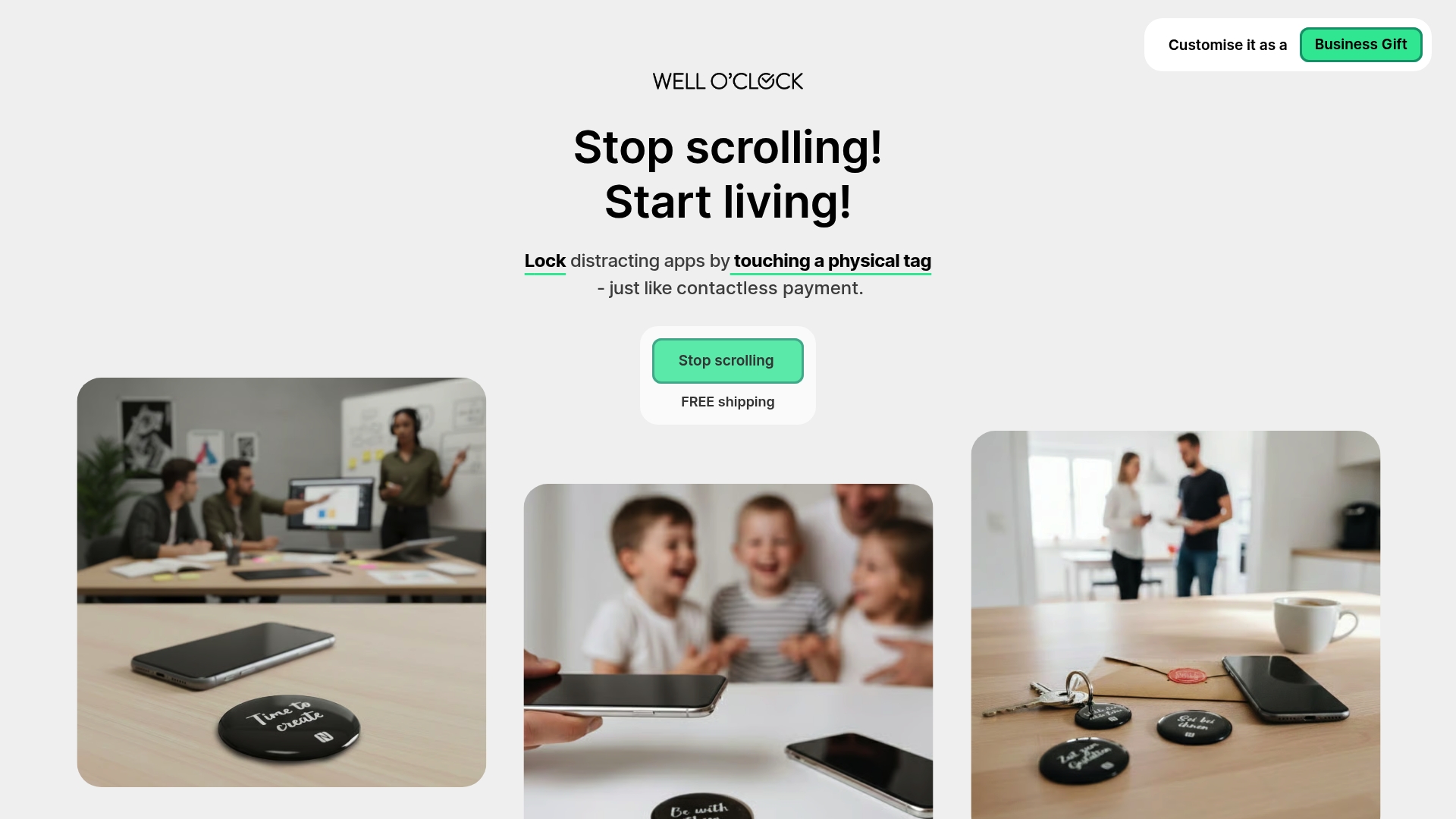
Now that you understand why monitoring matters and have practical frameworks to guide you, explore tools designed to support your family's screen time goals. Well O'Clock offers solutions that combine physical NFC tags with mobile apps to help families physically interrupt phone usage patterns.
These outside-the-phone tools create tangible barriers at moments of temptation, supporting the behavioral strategies you've learned. The system helps both parents and children build healthier digital habits through simple, effective interventions that work in real-world family life. Discover how physical tools can complement your screen time management approach and strengthen family wellness.
Frequently asked questions about monitoring kids' screen time
What is the ideal daily screen time for kids aged 8 to 12?
The American Academy of Pediatrics recommends no more than 2 hours of recreational screen time daily for children aged 8 to 12. This limit excludes homework or educational activities that require devices. Individual families may adjust based on specific needs, but staying near this guideline protects sleep, mental health, and development.
How can I accurately track my child's screen time usage?
Use built-in device features like Screen Time on iOS or Digital Wellbeing on Android to monitor actual usage objectively. These tools provide detailed breakdowns by app and category. Third-party monitoring apps offer additional features like remote tracking and alerts when limits are exceeded, helping you stay informed without constant supervision.
Are educational screen activities harmful to my child?
Educational screen activities are less harmful than passive entertainment consumption, but still count toward daily limits. Interactive learning apps and video calls with family differ significantly from scrolling social media or watching videos. Balance educational screen time with hands-on learning and real-world exploration for optimal development.
What are effective ways to enforce screen time limits?
Combine clear verbal limits with physical tools and environmental changes for best results. Use parental controls to automatically restrict access after time limits expire. Create screen-free zones like bedrooms and dinner tables. Model healthy screen habits yourself, as children mimic adult behavior more than they follow instructions alone.
Can reducing screen time improve my child's sleep and mood?
Yes, reducing screen time, especially before bed, significantly improves both sleep quality and emotional regulation. Children gain 30 to 40 minutes of sleep on average when evening screen use decreases. Better sleep leads to improved mood, reduced anxiety, and enhanced cognitive performance throughout the day, creating a positive feedback loop.

Mak Kordić
Co founder
Mak Kordić is the founder and CEO of CNJ Digital, an agency based in Ljubljana, where he and his team develop UX/UI and digital products for demanding B2B projects. Over his career, he has led and co-created hundreds of digital solutions and worked with international clients.








Why monitor kids' screen time for healthier family
Mak Kordić
,
March 13, 2026
Children aged 8 to 12 spend an average of 4 to 6 hours daily on screens, nearly triple the recommended limit. This excessive use impacts sleep, mental health, and family bonds in measurable ways. Understanding why monitoring matters and how to do it effectively empowers you to foster healthier digital habits and stronger family connections.
Table of Contents
- Understanding The Current Scope Of Kids' Screen Time
- How Excessive Screen Time Affects Children's Health And Development
- What Most Parents Get Wrong About Screen Time
- Practical Frameworks And Tools To Monitor And Manage Kids' Screen Time
- Improving Family Well-Being Through Screen Time Monitoring
- Discover Tools To Help Manage Your Child's Screen Time
- Frequently Asked Questions About Monitoring Kids' Screen Time
Understanding the current scope of kids' screen time
The reality of children's screen time is far more concerning than most parents realize. Kids aged 8 to 12 spend an average of 4 to 6 hours daily on screens, far exceeding healthy limits. The American Academy of Pediatrics recommends no more than 2 hours of recreational screen time per day for this age group.
Yet many parents remain unaware of just how much time their children spend on devices. Research shows parents often underestimate their children's screen time by as much as 50%, which prevents effective monitoring and intervention. This perception gap creates a false sense of security, allowing harmful habits to develop unchecked.
This gap highlights why objective monitoring matters. Without accurate data, you cannot implement effective limits or screen time reduction tips that genuinely work. Closing this awareness gap is the first step toward healthier family digital habits.
Pro Tip: Track your child's actual screen time for one week using device settings or apps before making any changes. The real numbers often surprise parents and motivate action.
How excessive screen time affects children's health and development
The consequences of too much screen time extend far beyond wasted hours. Excessive device use measurably harms children's mental health, sleep quality, and cognitive development in ways that persist over time.
Mental health suffers significantly. Studies show children with more than 2 hours of daily screen use face a 34% increased risk of anxiety and depression. This correlation stems from reduced face-to-face interaction, exposure to cyberbullying, and constant social comparison on platforms.
Sleep disruption represents another critical impact. Children with over 2 hours of screen time daily experience 30 to 40 minutes less sleep on average, leading to measurable impairments in attention and cognitive performance. Blue light exposure and stimulating content before bed interfere with natural sleep cycles.
Neurological effects include reduced self-regulation and increased impulsivity. Constant digital stimulation trains young brains to expect immediate gratification, making it harder for children to focus on tasks requiring sustained attention. This pattern affects academic performance and social skills development.
Key health and developmental consequences include:
- Heightened anxiety and depression risk from social media exposure and reduced real-world connection
- Significant sleep loss affecting cognitive function, memory consolidation, and emotional regulation
- Impaired attention span and executive function due to constant task switching and digital interruptions
- Reduced physical activity contributing to obesity and cardiovascular health concerns
- Delayed social skill development from replacing face-to-face interaction with screen-based communication
These impacts compound over time, making early intervention critical. Reducing screen time naturally addresses these risks before they become entrenched patterns.
Pro Tip: Prioritize eliminating screen use in the hour before bedtime to dramatically improve sleep quality and next-day focus.
What most parents get wrong about screen time
Common misconceptions about screen time prevent parents from taking effective action. Understanding these myths helps you develop strategies that actually work.
The biggest mistake is underestimating actual usage. Parents often underestimate their children's screen time by as much as 50%, which blocks effective management. Without accurate baseline data, any limits you set lack grounding in reality.
Another widespread myth treats all screen time equally. Educational apps and interactive video calls with grandparents differ vastly from passive consumption of entertainment videos. Research shows passive screen use correlates more strongly with negative outcomes than interactive or educational activities.
Many parents also believe verbal limits alone suffice. Simply telling children to reduce screen time rarely works without behavioral strategies, environmental changes, and positive alternatives. Kids need structure, not just instructions.
Common myths versus facts:
- Myth: My child uses screens less than average. Fact: Most parents underestimate usage by 50% or more without objective tracking.
- Myth: All screen time harms children equally. Fact: Passive entertainment consumption causes more harm than interactive educational use.
- Myth: Setting verbal limits is enough. Fact: Effective reduction requires behavioral strategies, tools, and mindful phone use modeling.
- Myth: Screens only affect very young children. Fact: Screen time impacts health and development through adolescence and beyond.
- Myth: Educational content justifies unlimited screen time. Fact: Even educational screen use should stay within recommended daily limits.
Understanding these distinctions allows you to focus energy where it matters most. The key is combining accurate monitoring with evidence-based strategies rather than relying on assumptions or oversimplified rules.
Practical frameworks and tools to monitor and manage kids' screen time
Effective screen time management requires both behavioral strategies and practical tools working together. Research-backed approaches help you move from concern to action.
Start by assessing current usage objectively. Use built-in device tracking features or third-party apps to measure actual screen time for one week. This baseline reveals the true scope of the challenge and helps you set realistic goals.
Parental modeling matters enormously. Children mimic adult behavior, so examining your own screen habits is essential. Setting consistent screen time limits combined with parental modeling reduces children's screen use by roughly 30% and improves family cohesion.
Physical tools provide tangible intervention points. NFC tags that lock distracting apps with a simple tap disrupt habitual phone use effectively. This outside-the-phone approach can reduce screen time by 20% by creating friction at the moment of temptation.
Follow this framework for sustainable change:
1. Assess current usage using device settings or monitoring apps to establish an accurate baseline for each child.
2. Educate your children about health impacts using age-appropriate language and involving them in goal setting.
3. Set clear limits for recreational screen time aligned with AAP guidelines and your family values.
4. Use physical tools like NFC tags to create barriers at critical moments and support breaking screen addiction.
5. Foster alternatives by creating screen-free zones and times, and providing engaging non-digital activities.
6. Monitor progress weekly, adjusting strategies based on what works for your unique family dynamics.
The combined approach works because it addresses multiple behavioral pathways simultaneously. Limits set boundaries, modeling demonstrates values, and physical tools provide concrete support for minimizing device distractions.
Pro Tip: Combine behavioral limits with positive family screen-free activities like game nights, outdoor adventures, or creative projects for best results and highest compliance.
Improving family well-being through screen time monitoring
Managing kids' screen time creates ripple effects that strengthen family bonds and improve overall household quality of life. The benefits extend far beyond individual health outcomes.
Are Screens RUINING Your Kid’s Brain?
High screen time reduces face-to-face family interactions significantly. Research shows less screen time correlates with 20 to 35% stronger family interaction scores and improved emotional support. When devices dominate attention, meaningful conversation and connection suffer.
Lower screen time improves multiple well-being markers simultaneously. Children experience better sleep quality, reduced anxiety, and enhanced emotional regulation. Parents report feeling more connected to their children and more satisfied with family dynamics.
Key family benefits include:
- Stronger emotional bonds from increased face-to-face time and shared non-digital activities
- Improved communication as family members practice active listening without device distractions
- Enhanced problem-solving when children develop patience and creativity through non-screen play
- Better sleep patterns for the entire household when evening screen use decreases
- Reduced conflict around device access as clear boundaries replace constant negotiation
- Greater life satisfaction reported by both parents and children in families with balanced screen habits
These improvements compound over time. Families that successfully reduce screen time often report transformative changes in household atmosphere and relationship quality. The benefits of reduced screen time extend to every family member.
Balanced screen habits also model healthy self-regulation for children. When they see parents prioritizing real-world connection over digital distraction, they internalize these values. This foundation serves them throughout life as they navigate an increasingly screen-saturated world.
Understanding how screen time impacts wellness helps families stay motivated through the challenging early stages of habit change. The long-term rewards far outweigh the initial discomfort.
Discover tools to help manage your child's screen time
Now that you understand why monitoring matters and have practical frameworks to guide you, explore tools designed to support your family's screen time goals. Well O'Clock offers solutions that combine physical NFC tags with mobile apps to help families physically interrupt phone usage patterns.
These outside-the-phone tools create tangible barriers at moments of temptation, supporting the behavioral strategies you've learned. The system helps both parents and children build healthier digital habits through simple, effective interventions that work in real-world family life. Discover how physical tools can complement your screen time management approach and strengthen family wellness.
Frequently asked questions about monitoring kids' screen time
What is the ideal daily screen time for kids aged 8 to 12?
The American Academy of Pediatrics recommends no more than 2 hours of recreational screen time daily for children aged 8 to 12. This limit excludes homework or educational activities that require devices. Individual families may adjust based on specific needs, but staying near this guideline protects sleep, mental health, and development.
How can I accurately track my child's screen time usage?
Use built-in device features like Screen Time on iOS or Digital Wellbeing on Android to monitor actual usage objectively. These tools provide detailed breakdowns by app and category. Third-party monitoring apps offer additional features like remote tracking and alerts when limits are exceeded, helping you stay informed without constant supervision.
Are educational screen activities harmful to my child?
Educational screen activities are less harmful than passive entertainment consumption, but still count toward daily limits. Interactive learning apps and video calls with family differ significantly from scrolling social media or watching videos. Balance educational screen time with hands-on learning and real-world exploration for optimal development.
What are effective ways to enforce screen time limits?
Combine clear verbal limits with physical tools and environmental changes for best results. Use parental controls to automatically restrict access after time limits expire. Create screen-free zones like bedrooms and dinner tables. Model healthy screen habits yourself, as children mimic adult behavior more than they follow instructions alone.
Can reducing screen time improve my child's sleep and mood?
Yes, reducing screen time, especially before bed, significantly improves both sleep quality and emotional regulation. Children gain 30 to 40 minutes of sleep on average when evening screen use decreases. Better sleep leads to improved mood, reduced anxiety, and enhanced cognitive performance throughout the day, creating a positive feedback loop.
Mak Kordić
Co founder
Mak Kordić is the founder and CEO of CNJ Digital, an agency based in Ljubljana, where he and his team develop UX/UI and digital products for demanding B2B projects. Over his career, he has led and co-created hundreds of digital solutions and worked with international clients.
Why monitor kids' screen time for healthier family
Mak Kordić
,
March 13, 2026
Children aged 8 to 12 spend an average of 4 to 6 hours daily on screens, nearly triple the recommended limit. This excessive use impacts sleep, mental health, and family bonds in measurable ways. Understanding why monitoring matters and how to do it effectively empowers you to foster healthier digital habits and stronger family connections.
Table of Contents
- Understanding The Current Scope Of Kids' Screen Time
- How Excessive Screen Time Affects Children's Health And Development
- What Most Parents Get Wrong About Screen Time
- Practical Frameworks And Tools To Monitor And Manage Kids' Screen Time
- Improving Family Well-Being Through Screen Time Monitoring
- Discover Tools To Help Manage Your Child's Screen Time
- Frequently Asked Questions About Monitoring Kids' Screen Time
Understanding the current scope of kids' screen time
The reality of children's screen time is far more concerning than most parents realize. Kids aged 8 to 12 spend an average of 4 to 6 hours daily on screens, far exceeding healthy limits. The American Academy of Pediatrics recommends no more than 2 hours of recreational screen time per day for this age group.
Yet many parents remain unaware of just how much time their children spend on devices. Research shows parents often underestimate their children's screen time by as much as 50%, which prevents effective monitoring and intervention. This perception gap creates a false sense of security, allowing harmful habits to develop unchecked.
This gap highlights why objective monitoring matters. Without accurate data, you cannot implement effective limits or screen time reduction tips that genuinely work. Closing this awareness gap is the first step toward healthier family digital habits.
Pro Tip: Track your child's actual screen time for one week using device settings or apps before making any changes. The real numbers often surprise parents and motivate action.
How excessive screen time affects children's health and development
The consequences of too much screen time extend far beyond wasted hours. Excessive device use measurably harms children's mental health, sleep quality, and cognitive development in ways that persist over time.
Mental health suffers significantly. Studies show children with more than 2 hours of daily screen use face a 34% increased risk of anxiety and depression. This correlation stems from reduced face-to-face interaction, exposure to cyberbullying, and constant social comparison on platforms.
Sleep disruption represents another critical impact. Children with over 2 hours of screen time daily experience 30 to 40 minutes less sleep on average, leading to measurable impairments in attention and cognitive performance. Blue light exposure and stimulating content before bed interfere with natural sleep cycles.
Neurological effects include reduced self-regulation and increased impulsivity. Constant digital stimulation trains young brains to expect immediate gratification, making it harder for children to focus on tasks requiring sustained attention. This pattern affects academic performance and social skills development.
Key health and developmental consequences include:
- Heightened anxiety and depression risk from social media exposure and reduced real-world connection
- Significant sleep loss affecting cognitive function, memory consolidation, and emotional regulation
- Impaired attention span and executive function due to constant task switching and digital interruptions
- Reduced physical activity contributing to obesity and cardiovascular health concerns
- Delayed social skill development from replacing face-to-face interaction with screen-based communication
These impacts compound over time, making early intervention critical. Reducing screen time naturally addresses these risks before they become entrenched patterns.
Pro Tip: Prioritize eliminating screen use in the hour before bedtime to dramatically improve sleep quality and next-day focus.
What most parents get wrong about screen time
Common misconceptions about screen time prevent parents from taking effective action. Understanding these myths helps you develop strategies that actually work.
The biggest mistake is underestimating actual usage. Parents often underestimate their children's screen time by as much as 50%, which blocks effective management. Without accurate baseline data, any limits you set lack grounding in reality.
Another widespread myth treats all screen time equally. Educational apps and interactive video calls with grandparents differ vastly from passive consumption of entertainment videos. Research shows passive screen use correlates more strongly with negative outcomes than interactive or educational activities.
Many parents also believe verbal limits alone suffice. Simply telling children to reduce screen time rarely works without behavioral strategies, environmental changes, and positive alternatives. Kids need structure, not just instructions.
Common myths versus facts:
- Myth: My child uses screens less than average. Fact: Most parents underestimate usage by 50% or more without objective tracking.
- Myth: All screen time harms children equally. Fact: Passive entertainment consumption causes more harm than interactive educational use.
- Myth: Setting verbal limits is enough. Fact: Effective reduction requires behavioral strategies, tools, and mindful phone use modeling.
- Myth: Screens only affect very young children. Fact: Screen time impacts health and development through adolescence and beyond.
- Myth: Educational content justifies unlimited screen time. Fact: Even educational screen use should stay within recommended daily limits.
Understanding these distinctions allows you to focus energy where it matters most. The key is combining accurate monitoring with evidence-based strategies rather than relying on assumptions or oversimplified rules.
Practical frameworks and tools to monitor and manage kids' screen time
Effective screen time management requires both behavioral strategies and practical tools working together. Research-backed approaches help you move from concern to action.
Start by assessing current usage objectively. Use built-in device tracking features or third-party apps to measure actual screen time for one week. This baseline reveals the true scope of the challenge and helps you set realistic goals.
Parental modeling matters enormously. Children mimic adult behavior, so examining your own screen habits is essential. Setting consistent screen time limits combined with parental modeling reduces children's screen use by roughly 30% and improves family cohesion.
Physical tools provide tangible intervention points. NFC tags that lock distracting apps with a simple tap disrupt habitual phone use effectively. This outside-the-phone approach can reduce screen time by 20% by creating friction at the moment of temptation.
Follow this framework for sustainable change:
1. Assess current usage using device settings or monitoring apps to establish an accurate baseline for each child.
2. Educate your children about health impacts using age-appropriate language and involving them in goal setting.
3. Set clear limits for recreational screen time aligned with AAP guidelines and your family values.
4. Use physical tools like NFC tags to create barriers at critical moments and support breaking screen addiction.
5. Foster alternatives by creating screen-free zones and times, and providing engaging non-digital activities.
6. Monitor progress weekly, adjusting strategies based on what works for your unique family dynamics.
The combined approach works because it addresses multiple behavioral pathways simultaneously. Limits set boundaries, modeling demonstrates values, and physical tools provide concrete support for minimizing device distractions.
Pro Tip: Combine behavioral limits with positive family screen-free activities like game nights, outdoor adventures, or creative projects for best results and highest compliance.
Improving family well-being through screen time monitoring
Managing kids' screen time creates ripple effects that strengthen family bonds and improve overall household quality of life. The benefits extend far beyond individual health outcomes.
Are Screens RUINING Your Kid’s Brain?
High screen time reduces face-to-face family interactions significantly. Research shows less screen time correlates with 20 to 35% stronger family interaction scores and improved emotional support. When devices dominate attention, meaningful conversation and connection suffer.
Lower screen time improves multiple well-being markers simultaneously. Children experience better sleep quality, reduced anxiety, and enhanced emotional regulation. Parents report feeling more connected to their children and more satisfied with family dynamics.
Key family benefits include:
- Stronger emotional bonds from increased face-to-face time and shared non-digital activities
- Improved communication as family members practice active listening without device distractions
- Enhanced problem-solving when children develop patience and creativity through non-screen play
- Better sleep patterns for the entire household when evening screen use decreases
- Reduced conflict around device access as clear boundaries replace constant negotiation
- Greater life satisfaction reported by both parents and children in families with balanced screen habits
These improvements compound over time. Families that successfully reduce screen time often report transformative changes in household atmosphere and relationship quality. The benefits of reduced screen time extend to every family member.
Balanced screen habits also model healthy self-regulation for children. When they see parents prioritizing real-world connection over digital distraction, they internalize these values. This foundation serves them throughout life as they navigate an increasingly screen-saturated world.
Understanding how screen time impacts wellness helps families stay motivated through the challenging early stages of habit change. The long-term rewards far outweigh the initial discomfort.
Discover tools to help manage your child's screen time
Now that you understand why monitoring matters and have practical frameworks to guide you, explore tools designed to support your family's screen time goals. Well O'Clock offers solutions that combine physical NFC tags with mobile apps to help families physically interrupt phone usage patterns.
These outside-the-phone tools create tangible barriers at moments of temptation, supporting the behavioral strategies you've learned. The system helps both parents and children build healthier digital habits through simple, effective interventions that work in real-world family life. Discover how physical tools can complement your screen time management approach and strengthen family wellness.
Frequently asked questions about monitoring kids' screen time
What is the ideal daily screen time for kids aged 8 to 12?
The American Academy of Pediatrics recommends no more than 2 hours of recreational screen time daily for children aged 8 to 12. This limit excludes homework or educational activities that require devices. Individual families may adjust based on specific needs, but staying near this guideline protects sleep, mental health, and development.
How can I accurately track my child's screen time usage?
Use built-in device features like Screen Time on iOS or Digital Wellbeing on Android to monitor actual usage objectively. These tools provide detailed breakdowns by app and category. Third-party monitoring apps offer additional features like remote tracking and alerts when limits are exceeded, helping you stay informed without constant supervision.
Are educational screen activities harmful to my child?
Educational screen activities are less harmful than passive entertainment consumption, but still count toward daily limits. Interactive learning apps and video calls with family differ significantly from scrolling social media or watching videos. Balance educational screen time with hands-on learning and real-world exploration for optimal development.
What are effective ways to enforce screen time limits?
Combine clear verbal limits with physical tools and environmental changes for best results. Use parental controls to automatically restrict access after time limits expire. Create screen-free zones like bedrooms and dinner tables. Model healthy screen habits yourself, as children mimic adult behavior more than they follow instructions alone.
Can reducing screen time improve my child's sleep and mood?
Yes, reducing screen time, especially before bed, significantly improves both sleep quality and emotional regulation. Children gain 30 to 40 minutes of sleep on average when evening screen use decreases. Better sleep leads to improved mood, reduced anxiety, and enhanced cognitive performance throughout the day, creating a positive feedback loop.
Mak Kordić
Co founder
Mak Kordić is the founder and CEO of CNJ Digital, an agency based in Ljubljana, where he and his team develop UX/UI and digital products for demanding B2B projects. Over his career, he has led and co-created hundreds of digital solutions and worked with international clients.